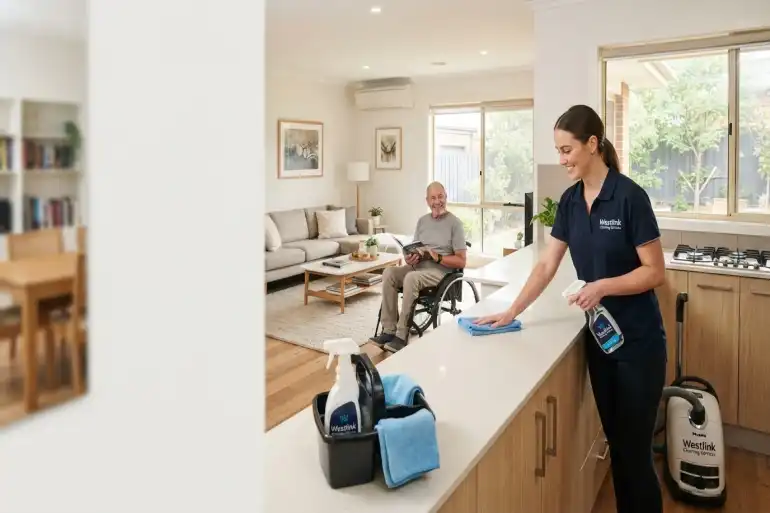
How to Find Reliable NDIS Cleaners in Sydney
A reliable cleaning service helps an NDIS participant maintain a safe, hygienic and comfortable home. Missed appointments, poor communication and changing cleaners can disrupt daily routines, especially when the participant depends on regular household support.
Choosing a cleaner should involve more than comparing prices or reading promotional claims. Participants, families, nominees and support coordinators should examine Westlink Cleaning Services’ experience, staffing arrangements, screening practices, insurance, communication and service standards before making a decision.
Understanding NDIS Cleaning Services in Sydney
NDIS cleaning is household assistance for participants who cannot complete some cleaning tasks because of their disability. The support focuses on disability-related needs within the participant’s home rather than providing ordinary domestic cleaning that is unrelated to their functional limitations.
What Are NDIS Cleaning Services?
NDIS cleaning services help eligible participants complete essential household tasks such as vacuuming, mopping, dusting and cleaning kitchens or bathrooms. The exact duties, frequency and service time depend on the participant’s individual needs, goals, living situation and available plan funding.
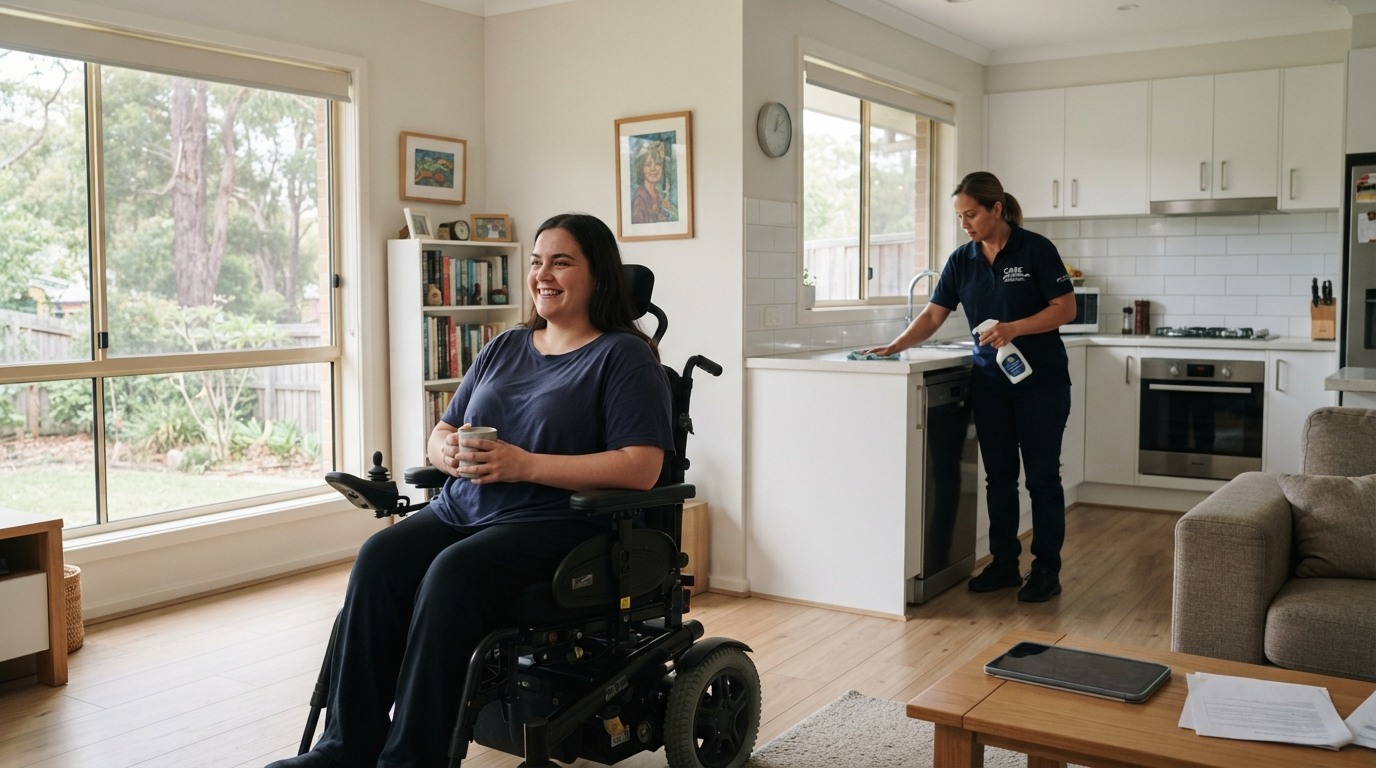
pport must relate to the person’s disability, meet the applicable NDIS funding criteria and be included within the participant’s approved supports. The participant, nominee or plan manager should check the plan before booking or paying for cleaning with NDIS funds.
Who Is Eligible for NDIS Cleaning Services?
NDIS cleaning support is relevant to an existing participant whose disability limits their ability to complete necessary household cleaning. Eligibility for the NDIS itself depends on age, residence and disability or early-intervention requirements, but becoming an NDIS participant does not automatically provide funding for cleaning.
Funding decisions consider whether the requested household support relates to the participant’s disability, supports their goals, represents value for money and is likely to be effective and beneficial. The amount and frequency of cleaning assistance therefore differ between participants. A participant who is unsure whether cleaning is covered should check their plan or speak with their NDIS contact, support coordinator or plan manager before arranging the service.
-
Understand What Reliable NDIS Cleaning Means
Reliability is not limited to arriving on time. It covers every part of the cleaning arrangement, from the first enquiry to the completion of each scheduled visit.
Consistent Attendance
A dependable cleaner attends on the agreed day and within the confirmed arrival window. When a delay or cancellation becomes unavoidable, the NDIS cleaning service should contact the participant as early as possible.
Clear Communication
The cleaning business should explain appointment times, prices, cleaning duties and service changes in simple language. Participants should not need to repeatedly contact the company to confirm whether a cleaner will attend.
Respect for Individual Needs
Every participant has different routines, preferences and support needs. A reliable cleaner follows the agreed instructions instead of applying the same approach to every household.
Consistent Cleaning Quality
The standard of cleaning should remain stable across recurring visits. A written checklist helps cleaners complete the same essential tasks each time.
Suitable Backup Arrangements
The service team should have a clear plan for staff illness, leave and unexpected absences. This could involve offering a suitable replacement cleaner or arranging another appointment promptly.
Define the Participant’s Cleaning Needs
A cleaning organisation cannot prepare a suitable service without understanding what the participant needs. Create a clear scope before requesting quotes.
Identify Essential Household Tasks
The cleaning scope should state which rooms need attention and what must be completed in each area. Typical duties include dusting accessible surfaces, vacuuming carpets, mopping floors, cleaning kitchens, sanitising bathrooms, emptying bins and wiping frequently touched surfaces.
Separate Regular and Occasional Tasks
Recurring cleaning usually covers routine household duties. Deep cleaning, oven cleaning, carpet cleaning, internal window cleaning and other specialist work may require additional time, equipment or pricing. These tasks should be discussed separately.
Record Accessibility Requirements
The cleaning company should know about mobility aids, restricted spaces and safe access routes through the home. Cleaners must avoid moving essential equipment or creating obstacles that could increase the risk of a fall.
Explain Sensory Preferences
Some participants react strongly to noise, fragrances, bright equipment or sudden changes. Recording these preferences helps the cleaner choose suitable products, equipment and working methods.
Discuss Allergies and Health Concerns
The participant should tell the NDIS cleaning service about relevant allergies, respiratory sensitivities or infection-control requirements. The cleaning business can then confirm which products and cleaning procedures are appropriate.
Set Privacy and Access Boundaries
Cleaners should know which rooms they may enter, where they can store equipment and whether any areas are private. These boundaries should be recorded before the first appointment.
Check the Cleaner’s Experience Supporting NDIS Participants
General house-cleaning experience does not automatically mean a service team understands disability-related household support. The cleaner should know how to respect personal routines, follow individual instructions and adapt the service to the participant’s physical, sensory or communication needs.
Ask About Previous NDIS Cleaning Work
Ask how long the company has provided cleaning for NDIS participants and what type of household support its cleaners regularly complete. The cleaning organisation should give a clear answer without revealing private information about other clients.
Check How Cleaners Follow Individual Instructions
A reliable cleaning company should record the participant’s cleaning checklist, preferred products, access requirements, restricted areas and communication needs. Cleaners should review these instructions before entering the home.
Confirm Experience With Specific Support Needs
Ask whether the NDIS cleaning service has supported people with needs similar to those of the participant. This could include limited mobility, sensory sensitivities, allergies, fatigue, cognitive barriers or a strong need for routine.
Ask How Replacement Cleaners Are Prepared
Replacement staff should receive the participant’s approved cleaning instructions before attending. The participant should not need to explain the complete arrangement whenever the regular cleaner is unavailable.
Confirm Who Manages Questions and Changes
The participant should know whom to contact when they need to change the schedule, update the cleaning checklist or report a concern. A clear point of contact makes the service easier to manage.
Check Whether the Same NDIS Cleaner Will Attend Each Visit
NDIS participants may feel more comfortable when the same cleaner attends regularly. A familiar cleaner understands the home, follows the established routine and reduces the need to repeat instructions.
Ask Who Will Clean the Home
Before booking, confirm whether the company will assign one regular cleaner or send different cleaners based on availability.
Request the Same Cleaner for Recurring Visits
Ask the cleaning business to assign the same cleaner for weekly, fortnightly or other recurring appointments. Although this cannot always be guaranteed, the request should be recorded in the service agreement.
Ask What Happens When the Regular Cleaner Is Absent
Find out whether the service team will send a replacement, reschedule the appointment or allow the participant to wait for the regular cleaner.
Require Notice Before a New Cleaner Arrives
The company should contact the participant before sending a different cleaner. The participant should have the opportunity to accept the replacement or request another arrangement.
Confirm That Replacement Cleaners Receive Instructions
Every replacement cleaner should receive the approved cleaning checklist, access information, communication preferences and relevant household instructions before attending.
Protect the Participant’s Personal Information
The cleaning organisation should share only the information needed to complete the cleaning safely. Access codes, personal information and health-related details must be handled securely.
Check What Happens When the Regular NDIS Cleaner Is Unavailable
Before booking, ask how Westlink Cleaning Services handles illness, annual leave and unexpected staff absences. A clear backup plan helps prevent missed cleaning visits and gives the participant control over who enters their home.
Ask Whether a Replacement Cleaner Is Available
The NDIS cleaning service should explain whether it can send another trained cleaner when the regular NDIS cleaner cannot attend. The participant should also have the option to reschedule the appointment when they do not feel comfortable with a replacement.
Require Notice Before Any Staff Change
The cleaning business should contact the participant before sending a substitute cleaner. It should identify the replacement, explain why the change is necessary and confirm whether the participant accepts the arrangement.
Confirm That the Replacement Receives Instructions
The substitute cleaner should receive the approved cleaning checklist, access information, communication preferences and relevant household instructions before arriving. The participant should not need to explain the entire service again.
Confirm the New Time and Cost
The service team should explain whether the replacement or rescheduled visit changes the arrival time, service duration or price. No additional charge should be applied without the participant’s prior agreement.
Respect the Participant’s Right to Decline
Some participants need routine or feel uncomfortable with unfamiliar people in their homes. The cleaning organisation should respect the participant’s decision to decline a substitute and arrange another suitable appointment.
Check How the NDIS Cleaning Cleaning company Communicates
Reliable communication helps participants manage appointments, service changes and cleaning instructions without confusion. Before booking, confirm who will provide updates and how the cleaning company will contact the participant.
Confirm Every Cleaning Appointment
The NDIS cleaning service should confirm the date, arrival time and expected duration of each visit. For recurring cleaning, it should explain whether reminders will be sent before every appointment.
Require Early Notice of Delays
The cleaning business should contact the participant as soon as it knows that the cleaner will arrive late. The update should include a revised arrival time instead of leaving the participant uncertain.
Choose a Suitable Communication Method
Participants should be able to receive updates through a suitable method, such as a telephone call, text message or email. The preferred method should be recorded in the service agreement.
Identify the Main Contact Person
The participant should know whom to contact about appointment changes, cleaning instructions, invoices or complaints. A clear point of contact makes the service easier to manage.
Expect Timely Responses
Questions about bookings, prices and cleaning duties should receive a prompt and clear response. Repeated delays or unanswered messages can indicate poor service management.
Record Important Changes in Writing
Changes to the cleaning schedule, price, service duration or approved tasks should be confirmed in writing. A written record helps prevent misunderstandings between the participant and service team.
Verify the NDIS Cleaner’s Screening, Training and Insurance
Before allowing a cleaner into the home, ask the cleaning organisation to explain how its staff are screened, trained and insured. These checks help participants assess personal safety, professional conduct and financial protection.
Ask What Worker Screening Has Been Completed
Confirm whether the cleaner has completed identity, employment and background checks. Ask whether an NDIS Worker Screening Check applies to the cleaner’s role and request evidence when relevant. The exact requirement depends on the cleaning company’s registration status and whether the position is classed as a risk-assessed role.
Check the Cleaner’s Training
The cleaner should understand safe cleaning methods, respectful behaviour, privacy and professional boundaries. They should also know how to use cleaning chemicals and equipment without placing the participant, household members or property at risk.
Confirm Public Liability Insurance
Ask whether the cleaning company holds current public liability insurance. This cover relates to claims involving accidental injury or property damage caused during the cleaning service.
Confirm Workers Compensation Cover
A cleaning company with employees should hold workers compensation insurance where required. This cover relates to workplace injuries involving its workers and is different from public liability insurance.
Request Current Evidence
Do not rely only on website badges or general statements such as “fully insured.” Ask for current certificates or policy details and check the business name, coverage type and expiry date. Any claimed screening or training should also match the cleaner who will actually enter the participant’s home.
Ask for a Written NDIS Cleaning Service Agreement
Before cleaning begins, request a written service agreement that explains exactly what the participant and NDIS cleaning service have accepted. The document should remove uncertainty about cleaning duties, appointment times, prices, cancellations and responsibilities.
Confirm Which Cleaning Tasks Are Included
The agreement should name the rooms the cleaner will service and the tasks completed in each area. It should also identify excluded duties and services that require separate approval or payment.
Record the Cleaning Schedule
The document should state whether cleaning will occur weekly, fortnightly, monthly or as a one-off service. It should also include the appointment time, expected visit duration and process for changing the schedule.
Explain All Prices and Invoicing
The agreement should show the hourly rate or fixed price, along with travel fees, weekend charges and other possible costs. It should also explain where invoices will be sent, what information they will contain and when payment is due.
State the Cancellation and Rescheduling Rules
Both parties should know how much notice is required to cancel or move an appointment. Any short-notice cancellation fee should be written clearly and explained before the participant accepts the service.
Document How the Cleaner Will Enter the Home
The agreement should record whether the participant will provide access in person or through a key, lockbox or access code. It should also explain how the cleaning business will store, use and return access information securely.
Explain Privacy Protection
The service team should state how it collects, stores and shares the participant’s personal information. Cleaners should receive only the details required to provide the agreed service safely.
Include a Complaint Process
The agreement should identify whom the participant can contact, how a complaint will be recorded and how the cleaning organisation will respond.
Explain How the Service Can End
The document should state how the participant or cleaning company can terminate the arrangement, how much notice is required and how final invoices, keys and personal information will be handled.
Create a Written Checklist for Every NDIS Cleaning Visit
A written NDIS cleaning checklist tells the cleaner exactly which areas to clean, which tasks have priority and which household instructions they must follow. It helps maintain consistent results, even when a replacement cleaner attends.
List the Cleaning Tasks for Each Room
Divide the checklist into the kitchen, bathroom, bedrooms and living areas. Under each room, record the exact duties the cleaner must complete, such as wiping surfaces, vacuuming floors or cleaning the basin.
Identify the Most Important Cleaning Tasks
Mark tasks that directly affect the participant’s hygiene, mobility or safety as priorities. The cleaner should complete these duties first when the available service time does not cover every requested task.
Record Which Cleaning Products Are Safe to Use
State which products the cleaner should use or avoid. This is particularly important when the participant has allergies, breathing problems, fragrance sensitivities, pets or surfaces that require special care.
Identify Areas the Cleaner Must Not Enter
Record any private rooms, locked cupboards or restricted areas. The cleaner should not open cupboards, move medical equipment or handle personal belongings unless the participant has given permission.
Explain How Items and Equipment Should Be Handled
The checklist should state whether the cleaner may move furniture, mobility aids, electrical equipment or personal items. Essential equipment must remain accessible and should never create a trip hazard after cleaning.
Update the Checklist When Needs Change
The participant and NDIS cleaning service should review the checklist when the household routine, health needs, cleaning priorities or support arrangements change. Every approved update should be provided to the regular and replacement cleaners.
Compare NDIS Cleaning Quotes on the Same Service Scope
Compare each quote using the same cleaning checklist, visit duration and service frequency. A lower price does not offer better value when it includes fewer tasks, less cleaning time or additional fees.
Confirm What the Quoted Price Covers
The quote should state which rooms and cleaning tasks are included, how many cleaners will attend and how long the visit will last. It should also explain whether the cleaning business supplies cleaning products and equipment.
Check the Pricing Method
Ask whether the service team charges an hourly rate or a fixed price per visit. An hourly quote should show the number of labour hours, while a fixed quote should clearly define the work covered.
Identify Every Additional Charge
The cleaning organisation should disclose travel costs, minimum booking periods, weekend or public holiday rates, cancellation fees and charges for specialist tasks before the participant accepts the service.
Use the Same Checklist for Every Cleaning company
Give each cleaning company the same room-by-room cleaning checklist and booking details. This creates comparable quotes and prevents a cheaper but smaller service from appearing to offer better value.
Check That the Cost Fits the Available Funding
The participant, nominee or plan manager should confirm that the proposed service relates to the participant’s approved support needs and fits within the available budget. An NDIS cleaning service cannot decide whether a participant’s plan will fund a service.
Request a Written Quote
The written quote should record the rate, visit duration, cleaning scope, service frequency and additional fees. It gives the participant or plan manager a clear cost record before cleaning begins.
Book a Short Trial Before Choosing an NDIS Cleaner
Book two or three trial visits before agreeing to a long-term cleaning schedule. A trial shows whether the cleaner arrives reliably, follows the checklist, respects the participant and maintains the same standard across multiple appointments.
Test the Service Over Several Visits
One successful appointment does not prove long-term reliability. Two or three visits make it easier to identify patterns in punctuality, communication, cleaning quality and staff consistency.
Check Whether the Cleaner Arrives on Time
Record whether the cleaner arrives within the agreed time or arrival window. When delays occur, check whether the cleaning business gives early notice and provides an updated arrival time.
Compare the Work With the Cleaning Checklist
Review the completed work against the approved room-by-room checklist. The cleaner should complete priority tasks first and explain why any agreed duty was not finished.
Assess the Participant’s Comfort With the Cleaner
The participant should feel safe, respected and comfortable during each visit. The cleaner should communicate appropriately, protect privacy and follow household boundaries.
Confirm That the Same Cleaner Attends
Check whether the service team sends the cleaner named in the booking. When a replacement becomes necessary, the company should notify the participant and obtain agreement before the visit.
Give Clear Feedback After Each Visit
Tell the cleaning organisation about missed tasks, communication problems or areas that need improvement. Clear feedback gives the company an opportunity to correct the service.
Review How the Cleaning company Responds
A reliable cleaning company listens, explains what happened and takes practical action. Repeated mistakes, dismissed concerns or unresolved complaints suggest that the NDIS cleaning service may not be suitable for ongoing support.
Decide Whether to Continue the Service
At the end of the trial, review attendance, cleaning quality, communication, comfort and consistency. Continue only when the cleaning business meets the agreed requirements and the participant feels comfortable with the arrangement.
Look for Warning Signs Before Choosing an NDIS Cleaner
Repeated cancellations, unexpected staff changes, unclear prices and poor communication can indicate that an NDIS cleaning company is not dependable. One mistake does not always prove unreliability, but the same problem occurring across several visits should not be ignored.
Repeated Last-Minute Cancellations
Frequent cancellations with little notice can indicate poor scheduling or inadequate staff coverage. The cleaning organisation should offer a suitable replacement or arrange another appointment promptly.
Different Cleaners Arriving Without Notice
Regularly sending unfamiliar cleaners can disrupt participants who depend on routine and familiarity. The cleaning company should notify the participant, identify the replacement and obtain agreement before sending someone new.
Prices That Are Not Clearly Explained
Vague rates and unexpected fees make it difficult to manage the participant’s cleaning budget. The NDIS cleaning service should give a written quote that explains the rate, visit duration, included tasks and additional charges.
Appointments Without a Confirmed Time
The participant should receive a confirmed appointment time or reasonable arrival window. Repeated lateness without updates shows poor scheduling and communication.
Messages and Questions Going Unanswered
A cleaning business that regularly ignores calls, messages or emails may be difficult to contact when an appointment, invoice or cleaning instruction needs attention.
Cleaning Quality Changing Between Visits
Large differences in cleaning quality can indicate weak training, poor supervision or an unclear cleaning checklist. Priority tasks should not be completed during one visit and ignored during the next.
Cleaners Not Following the Agreed Checklist
A cleaner who repeatedly ignores approved tasks, product restrictions or household boundaries may not be suitable for the participant’s needs.
No Clear Way to Make a Complaint
The service team should explain who receives complaints, how concerns are recorded and when the participant can expect a response. An unclear complaint process makes problems harder to resolve.
Refusing to Provide Written Information
Be cautious when a cleaning organisation refuses to supply a written quote, service agreement, insurance details or cleaning checklist. Important service conditions should not depend only on verbal promises.
Pressure to Sign or Pay Immediately
Participants should have enough time to review the quote, service agreement, cancellation rules and payment conditions. A reliable cleaning company answers questions without pressuring the participant into an immediate decision.
Avoid Common Mistakes When Choosing an NDIS Cleaner
Choosing an NDIS cleaner without checking the service scope, staffing arrangements and written terms can lead to missed visits, unexpected costs and inconsistent cleaning. Avoid these mistakes before accepting an ongoing service.
Choosing the Cheapest Quote Without Comparing Services
The lowest price does not always provide the best value. A cheaper quote may include fewer tasks, less cleaning time, rotating staff or extra charges that were not clearly explained.
Relying Only on Verbal Cleaning Instructions
Verbal instructions can be misunderstood, forgotten or communicated incorrectly to replacement staff. Record each room, task, priority and product restriction in a written cleaning checklist.
Assuming the Same NDIS Cleaner Will Attend Every Visit
Not every NDIS cleaning service automatically assigns one regular cleaner. Ask who will attend recurring appointments and how the company manages illness, leave and staff changes.
Accepting Unannounced Replacement Cleaners
The cleaning business should contact the participant before sending someone new. The participant should have the option to accept the replacement or reschedule the service.
Ignoring Repeated Service Problems
One mistake can happen in any cleaning arrangement. Repeated cancellations, missed tasks, unanswered messages or late arrivals indicate a pattern that requires action.
Committing Without a Trial Period
Agreeing immediately to a long-term schedule removes the opportunity to assess punctuality, cleaning quality, communication and personal compatibility across several visits.
Failing to Check Screening and Insurance
Do not assume every cleaner has completed the same checks or is covered by the same insurance. Ask for current information that applies to the cleaner and company providing the service.
Not Reading the Cancellation Terms
The service agreement should explain how much notice each party must give and whether cancellation fees apply. Read these conditions before accepting the service.
Accepting an Unclear Quote
A quote should state the rate, service duration, cleaning scope and additional charges. Request clarification before booking when any part of the price remains uncertain.
Failing to Report Problems Promptly
Raise missed tasks, inappropriate conduct or communication issues as soon as possible. Early reporting gives the service team an opportunity to correct the problem and creates a record if the issue continues.
Frequently Asked Questions
How Can I Assess Reliability Before Booking?
Ask detailed questions about staffing, cancellations, communication, insurance and quality control. Request written documents instead of relying only on promotional statements.
Is It Reasonable to Request the Same Cleaner?
Yes. A regular cleaner can support routine, familiarity and clearer communication. The cleaning organisation’s ability to meet this request depends on staff availability, so confirm it before booking.
What Should Happen When a Cleaner Cancels?
The cleaning company should contact the participant promptly and explain the options. These could include offering a suitable replacement cleaner or rescheduling the appointment.
How Long Should a Trial Period Last?
Two or three visits usually provide a better view of punctuality, communication and cleaning quality than one appointment. The most suitable trial length depends on the service frequency.
Does Every Cleaner Need an NDIS Worker Screening Check?
Not in every situation. Screening requirements depend on the NDIS cleaning service’s registration status and whether the cleaner performs a risk-assessed role. Ask the cleaning business to explain what applies to the service.
Should Cleaning Duties Be Written Down?
Yes. A written checklist defines the agreed cleaning scope and gives both parties a clear reference when reviewing service quality.
Final Thoughts
Finding reliable NDIS cleaners in Sydney requires careful research. Participants should examine experience, staffing consistency, communication, screening, insurance, pricing, backup arrangements and quality-control procedures.
A detailed quote, written service agreement, room-by-room checklist and short trial period provide stronger evidence than general marketing claims. Westlink Cleaning Services should respect the participant’s choices, follow agreed instructions and deliver consistent household support.