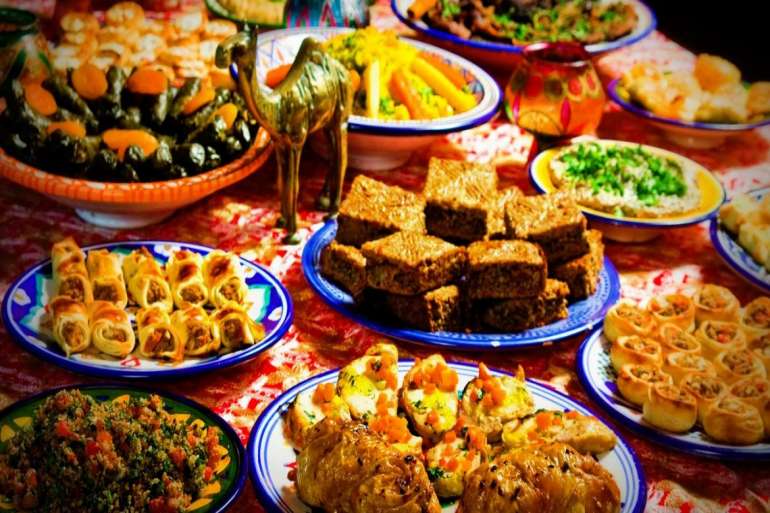
Best Foods for Hangover Relief: What to Eat and Drink After Drinking
Waking up with a hangover after a night of drinking can make even simple tasks feel difficult. Headache, thirst, fatigue, nausea, stomach discomfort, sensitivity to light and sound, and poor concentration are some of the common symptoms people may experience.
Many traditional hangover remedies focus on greasy food, strong coffee, or another alcoholic drink. However, there is no food or drink that can instantly cure a hangover or make the body process alcohol faster. A hangover generally improves with time as the body clears alcohol and recovers.
That said, choosing fluids and simple, nutritious foods can make the recovery period more comfortable. If you are wondering what to eat after drinking alcohol, here are some practical options to consider.
What Causes a Hangover?
A hangover is a collection of symptoms that can occur after drinking too much alcohol. Alcohol can contribute to increased urination and mild dehydration, disturb sleep, irritate the stomach, increase inflammation, and produce acetaldehyde as the body metabolizes alcohol.
These effects can contribute to symptoms such as thirst, headache, tiredness, nausea, stomach pain, weakness, anxiety, and difficulty concentrating. Hangovers can vary considerably from person to person.
According to the National Institute on Alcohol Abuse and Alcoholism, there is no scientifically proven magic food or remedy that eliminates a hangover. Time is ultimately required for the body to recover. NIAAA's hangover guidance explains the science behind these symptoms.
Best Foods and Drinks for Hangover Relief
1. Water
Water should be one of your first choices when recovering from a hangover. Alcohol increases urination, which can contribute to fluid loss and symptoms such as thirst, fatigue, and headache.
Drink water regularly rather than trying to consume a very large amount at once. Keeping water beside your bed and continuing to drink fluids the following morning can help you replace fluids lost during the night.
Water will not remove alcohol from your system instantly, but staying hydrated can help address thirst and support normal body functions while you recover.
If you regularly exercise or spend time outdoors, you may also find these healthy drinks for hydration useful for understanding different fluid options.
2. Bananas and Other Easy-to-Eat Fruits
Fruit can be a convenient choice when you want something light after a night of drinking. Bananas are easy to eat and provide carbohydrates and potassium, while other fruits provide water, carbohydrates, vitamins, and minerals.
You do not need to eat a particular fruit to cure a hangover. Choose something that feels comfortable for your stomach and fits your normal diet.
Other easy options include oranges, apples, watermelon, berries, or a small fruit bowl.
3. Toast, Rice, Oatmeal and Other Simple Carbohydrates
When nausea or stomach discomfort makes a heavy meal unappealing, simple foods may be easier to tolerate. Toast, oatmeal, rice, or plain crackers can provide carbohydrates without requiring a large or complicated meal.
Start with a small portion and eat slowly. If your appetite returns, you can gradually move toward a more balanced meal containing protein, vegetables, and healthy fats.
4. Eggs
Eggs can be a practical breakfast option because they provide protein and several important nutrients. You can combine them with toast, vegetables, or another simple carbohydrate to create a more balanced meal.
There is no evidence that eggs specifically cure a hangover. Their main advantage is that they can provide useful nutrition when you are ready to eat.
If you want more ideas for balanced meals containing eggs and other nutritious ingredients, explore these healthy food choices and meal ideas.
5. Oatmeal
Oatmeal can be a gentle breakfast choice for people who want something filling but relatively simple. It provides carbohydrates and fiber and can be combined with fruit or yogurt.
If your stomach feels unsettled, keep the portion modest and avoid adding excessive sugar or heavy toppings.
6. Light Soups and Broths
A light soup or broth can be useful when you want something warm and easy to consume. Depending on the ingredients, soup can provide fluids, carbohydrates, vegetables, and other nutrients.
Choose a simple preparation if your stomach is sensitive. Extremely spicy, greasy, or heavy foods may make nausea or stomach discomfort worse for some people.
7. Plain Yogurt or Curd
Plain yogurt or curd can be a convenient source of protein and other nutrients. If dairy products normally agree with you, a small serving with fruit or oats can make a simple breakfast or snack.
However, there is no evidence that yogurt itself cures a hangover. If dairy tends to upset your stomach, choose another food that you tolerate better.
8. Light Indian Meals
If you prefer Indian food, simple meals can be a practical choice while recovering. Options such as plain rice with dal, khichdi, lightly prepared vegetables, poha, or a simple meal with curd may be easier to manage than very oily or heavily spiced foods.
Traditional Indian meals can provide carbohydrates, protein, and other nutrients without requiring complicated ingredients. You can explore more examples in our guide to healthy traditional Indian foods.
9. Coconut Water
Coconut water contains water and naturally occurring electrolytes such as potassium. It can be a refreshing beverage if you enjoy the taste.
However, it should not be presented as a special hangover cure. Research has not established that adding electrolytes reliably reduces hangover severity, so ordinary water is also a perfectly reasonable choice for hydration.
Choose unsweetened or minimally processed options when possible and avoid treating coconut water as a replacement for proper medical care.
10. Ginger Tea
Ginger tea is sometimes used to soothe nausea and digestive discomfort. Some people find a warm, mild ginger drink comforting when they feel unwell.
However, ginger tea has not been proven to cure a hangover or speed up alcohol metabolism. Think of it as a comforting beverage rather than a medical treatment.
If tea or other drinks worsen your nausea, simply return to small amounts of water or another fluid that you tolerate comfortably.
Foods and Drinks to Be Careful With During a Hangover
There is no universal list of foods that everyone must avoid. However, some choices may make stomach discomfort worse, especially when alcohol has already irritated the digestive system.
-
Very greasy meals: Heavy fried foods may be difficult to tolerate when you already feel nauseated.
-
Very spicy foods: Spicy meals may worsen stomach irritation for some people.
-
Excessive caffeine: Coffee does not cure a hangover. If caffeine makes you anxious or upsets your stomach, limit it.
-
More alcohol: Drinking alcohol the next morning may temporarily mask some symptoms but can prolong the overall problem. It is not a recommended hangover treatment.
-
Very sugary drinks: They may provide calories but are not necessary for hangover recovery.
Does Greasy Food Cure a Hangover?
No. A bacon sandwich, pizza, burger, or other greasy meal may be comforting and may provide calories, but there is no scientific evidence that greasy food cures a hangover.
If you are hungry, choose a meal that your stomach can tolerate. A balanced meal containing carbohydrates, protein, and some fruits or vegetables is generally a better long-term choice than relying on extremely heavy food.
Does Coffee Cure a Hangover?
Coffee may make you feel more alert because caffeine can temporarily reduce feelings of tiredness. However, it does not cure a hangover or speed up the removal of alcohol from your body.
If you normally drink coffee, a moderate amount may be fine if it does not worsen your symptoms. But water and rest remain more important parts of recovery.
Does Drinking More Alcohol Cure a Hangover?
The popular idea of having another alcoholic drink the next morning is sometimes called “hair of the dog.” It may temporarily change how you feel, but it does not cure the hangover.
According to NIAAA, drinking more alcohol can contribute to or prolong hangover symptoms. Using alcohol to manage repeated hangovers can also be a warning sign of unhealthy drinking patterns.
Rest Is an Important Part of Hangover Recovery
Alcohol can disrupt sleep even when it initially makes you feel sleepy. You may fall asleep quickly but experience poorer-quality or fragmented sleep later in the night.
If possible, give your body time to rest the following day. Avoid driving, operating machinery, or performing tasks that require good concentration and coordination if you are still impaired or experiencing significant hangover symptoms.
Hangovers can affect attention, decision-making, and coordination, so feeling “better” does not necessarily mean that you are fully recovered.
A Simple Hangover Recovery Plan
Instead of searching for one miracle food, focus on a few basic steps:
- Start with fluids: Drink water regularly according to your thirst and needs.
- Eat something light: Try toast, oatmeal, fruit, rice, eggs, soup, or another food that feels comfortable.
- Have a balanced meal when ready: Add protein, carbohydrates, and vegetables as your appetite returns.
- Rest: Give your body time to recover and avoid demanding activities if you feel impaired.
- Avoid more alcohol: Another drink is not a reliable treatment and can prolong symptoms.
- Listen to your body: If symptoms are severe, unusual, or getting worse, seek medical advice.
When Should You Seek Medical Help?
Most ordinary hangovers improve with time, but severe symptoms after drinking should not automatically be dismissed as a hangover.
Seek urgent medical help if someone who has been drinking is difficult to wake, has trouble breathing, has a seizure, becomes severely confused, loses consciousness, or has other signs of a potentially dangerous alcohol-related emergency.
Never assume that an unconscious person can simply “sleep it off.” If you are concerned about someone's condition after drinking, seek emergency medical assistance.
How to Reduce the Risk of a Future Hangover
The most reliable way to avoid a hangover is to avoid alcohol or keep alcohol consumption to a minimum. No particular food eaten before or after drinking can guarantee that you will not develop a hangover.
If you choose to drink, eating a normal meal, drinking water, pacing yourself, and avoiding excessive alcohol can reduce some of the risks associated with drinking. However, these steps do not make heavy drinking safe.
If you frequently experience severe hangovers, need alcohol to feel normal, or find it difficult to control how much you drink, consider discussing your drinking with a healthcare professional.
Frequently Asked Questions
What is the best food for a hangover?
There is no single best food that cures a hangover. Water, fruit, oatmeal, toast, eggs, soup, yogurt, rice, and other simple foods can be reasonable choices depending on your appetite and stomach tolerance.
Does drinking water help a hangover?
Water can help address dehydration and thirst associated with alcohol use. However, hydration does not eliminate a hangover instantly, and time is still needed for the body to recover.
Do grapes cure a hangover?
No. Grapes can be a nutritious fruit and contain water and carbohydrates, but there is no good evidence that grapes cure a hangover or speed up alcohol metabolism.
Does ginger tea help with a hangover?
Some people may find ginger tea soothing when they experience nausea or digestive discomfort, but it has not been proven to cure a hangover. It should be viewed as a comforting drink rather than a treatment.
Is coffee good for a hangover?
Coffee may temporarily make you feel more alert, but it does not cure a hangover. If caffeine worsens anxiety, stomach discomfort, or other symptoms, it may be better to limit it.
Can another alcoholic drink cure a hangover?
No. Another alcoholic drink may temporarily change some symptoms but can prolong the hangover and is not a recommended treatment.
Final Thoughts
There is no miracle food that can cure a hangover. The body needs time to recover from alcohol, while sensible hydration, rest, and nutritious foods can make the recovery period more comfortable.
Water, fruit, oatmeal, toast, eggs, light soups, yogurt, simple Indian meals, and other easy-to-tolerate foods are practical choices when you are ready to eat. The best option depends on your appetite and how your stomach feels.
Most importantly, do not rely on food, coffee, or another alcoholic drink as a guaranteed hangover cure. If drinking regularly leads to severe hangovers or difficulty controlling alcohol use, consider talking with a healthcare professional.
Disclaimer: This article is for general educational purposes only and does not provide medical diagnosis or treatment. Seek professional medical advice for severe or unusual symptoms after drinking.