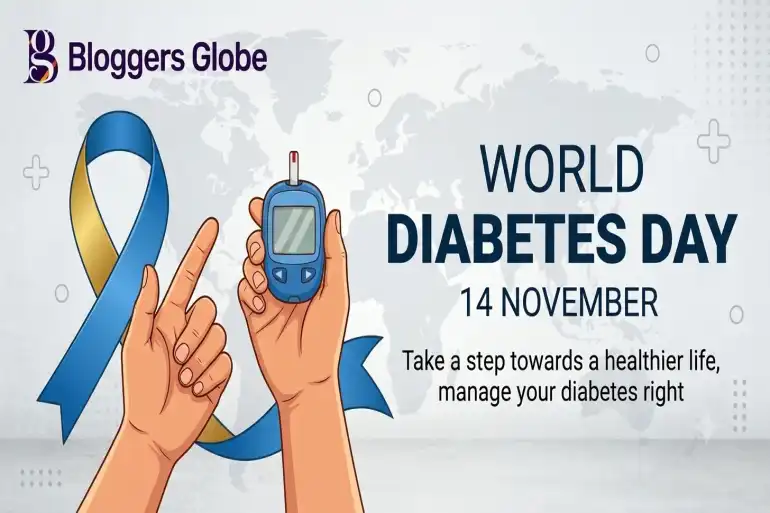
World Diabetes Day 2026: Importance, Theme, Symptoms and Prevention
Every year, World Diabetes Day is observed on November 14 to raise awareness about diabetes, its risk factors, prevention, early diagnosis and long-term management. It is an important occasion to encourage people to understand the condition and take steps toward a healthier lifestyle.
For 2026, the International Diabetes Federation has launched a new two-year campaign theme, “Early Action on Diabetes.” The campaign highlights the importance of recognizing diabetes early, getting tested when appropriate and taking timely action to reduce the risk of serious complications.
What Is World Diabetes Day?
World Diabetes Day is observed every year on November 14. It is the world's largest diabetes awareness campaign and brings attention to the growing impact of diabetes on individuals, families and communities.
The day provides an opportunity to spread information about diabetes and encourage healthier choices. It also highlights the importance of access to diagnosis, treatment, medicines, regular monitoring and diabetes care.
Diabetes is a chronic condition in which blood glucose levels become too high because the body does not produce enough insulin or cannot use insulin effectively. Type 1 and type 2 diabetes are the main forms, while gestational diabetes can occur during pregnancy.
World Diabetes Day 2026 Theme
The World Diabetes Day 2026 theme is part of the International Diabetes Federation's new two-year campaign, “Early Action on Diabetes.”
The message focuses on the importance of acting early rather than waiting for diabetes-related health problems to develop. Early detection can help people receive appropriate care and take steps to reduce the risk of complications.
The campaign also aims to improve awareness of diabetes warning signs and encourage people at risk to discuss screening and testing with healthcare professionals.
Why Is Diabetes Awareness Important?
Diabetes is one of the major health challenges worldwide. According to the World Health Organization, the number of people living with diabetes increased from around 200 million in 1990 to 830 million in 2022.
When diabetes is not detected or properly managed, consistently high blood glucose can damage blood vessels and nerves. It can increase the risk of serious problems involving the heart, kidneys, eyes and feet.
Awareness can help people recognize possible symptoms, understand risk factors and seek medical advice when necessary. It can also encourage healthier habits that may help prevent or delay type 2 diabetes.
Common Symptoms of Diabetes
Diabetes can sometimes develop without obvious symptoms, which makes awareness and appropriate testing important. Some common symptoms associated with high blood glucose include:
- Frequent urination
- Increased thirst
- Increased hunger
- Unexplained weight loss
- Feeling unusually tired
- Blurred vision
- Slow-healing wounds
- Frequent infections
These symptoms can have other causes as well. Anyone experiencing persistent or concerning symptoms should consult a qualified healthcare professional rather than attempting to diagnose themselves.
Type 1 and Type 2 Diabetes
Type 1 diabetes occurs when the body produces little or no insulin. People with type 1 diabetes need insulin to survive, and the condition is not currently preventable through lifestyle changes.
Type 2 diabetes occurs when the body does not use insulin effectively and, over time, may not produce enough insulin to maintain normal blood glucose levels. It is the most common type of diabetes and can often be prevented or delayed through healthy lifestyle habits.
Because the causes and treatment of diabetes vary, people should follow advice from healthcare professionals instead of relying on general health tips alone.
Risk Factors for Type 2 Diabetes
Several factors can increase the risk of developing type 2 diabetes. These may include being overweight, physical inactivity, an unhealthy diet, increasing age and having a family history of diabetes.
Some risk factors cannot be changed, but lifestyle-related factors can often be improved. Maintaining a healthy weight, eating a balanced diet and staying physically active can help reduce the risk.
How to Help Prevent Type 2 Diabetes
Prevention does not require extreme lifestyle changes. Consistent, practical habits can make a meaningful difference over time.
Eat a Balanced Diet
Build meals around vegetables, fruits, whole grains, pulses, nuts and other nutritious foods. Limiting foods and drinks high in free sugars and unhealthy fats can also support better overall health.
For more ideas about building healthier eating habits, you can also read simple lifestyle changes for a healthier life.
Stay Physically Active
Regular physical activity is another important part of diabetes prevention. Adults should generally aim for at least 150 minutes of moderate-intensity physical activity each week, according to WHO recommendations.
Walking, cycling, swimming, yoga and other suitable activities can help people become more active. The right level of exercise depends on a person's age, health and physical ability.
People looking for practical fitness inspiration can also explore our article on Indian fitness models on Instagram.
Choose Nutritious Foods
Fiber-rich foods, whole grains, vegetables, pulses and other minimally processed foods can be part of a balanced diet. Healthy eating does not mean completely eliminating carbohydrates; rather, the overall quality and balance of the diet matter.
Our guide to iron-rich foods can also help readers discover nutritious food options to include in a varied diet.
Maintain a Healthy Weight
For people who are overweight, achieving and maintaining a healthy weight can help lower the risk of type 2 diabetes. Even small, sustainable changes in eating habits and physical activity can contribute to better long-term health.
Healthy Food Choices to Consider
A healthy eating pattern can include a wide variety of foods rather than focusing on one particular “diabetes food.” Vegetables, pulses, whole grains, nuts, seeds and fresh fruits can all contribute important nutrients and fiber.
Traditional Indian meals can also be made more balanced by including vegetables, pulses, whole grains and appropriate portions. For more meal inspiration, see our guide to healthy Indian dinner ideas.
People living with diabetes should remember that individual dietary requirements can vary. A doctor or registered dietitian can provide personalized dietary advice, especially when medication or blood glucose management is involved.
Why Early Diagnosis Matters
One of the key messages of World Diabetes Day 2026 is the importance of taking action early. Diabetes can remain undiagnosed for a long time, allowing high blood glucose to affect the body without the person realizing it.
Early diagnosis allows people to discuss treatment and lifestyle changes with healthcare professionals. Regular monitoring and appropriate care can help reduce the risk of complications.
People who have risk factors or symptoms should speak with a healthcare professional about whether diabetes testing is appropriate for them.
Diabetes and Everyday Lifestyle
Managing diabetes is not only about checking blood glucose. Healthy eating, regular physical activity, taking prescribed medicines correctly and attending recommended medical appointments can all form part of effective diabetes care.
Sleep, stress management and avoiding tobacco can also contribute to overall health. A sustainable routine is generally more useful than making sudden and difficult changes that are hard to maintain.
If you are trying to build healthier daily habits, our article on healthy lifestyle changes offers additional practical ideas.
How to Observe World Diabetes Day
World Diabetes Day can be observed by learning about diabetes and sharing reliable information with family, friends and the wider community.
- Learn about diabetes and its warning signs.
- Encourage eligible people to discuss diabetes screening with a healthcare professional.
- Choose healthier meals and reduce excessive consumption of sugary foods and drinks.
- Make regular physical activity part of your routine.
- Support friends or family members living with diabetes without judging their food or lifestyle choices.
- Share credible diabetes awareness information on social media.
- Participate in local diabetes awareness activities.
World Diabetes Day Message
The message of World Diabetes Day 2026 is simple: early action matters. Understanding diabetes, recognizing possible warning signs, knowing personal risk factors and seeking appropriate medical advice can help people take better care of their health.
Diabetes awareness should not be limited to one day. Small, sustainable lifestyle choices and timely medical care can play an important role in preventing or delaying type 2 diabetes and managing diabetes effectively.
Frequently Asked Questions
When is World Diabetes Day celebrated?
World Diabetes Day is observed every year on November 14.
What is the World Diabetes Day 2026 theme?
The World Diabetes Day 2026 campaign theme is “Early Action on Diabetes.” It emphasizes early diagnosis, reducing risk and timely diabetes care.
What are the common symptoms of diabetes?
Common symptoms can include frequent urination, increased thirst, increased hunger, unexplained weight loss, tiredness and blurred vision. Diabetes can also occur without noticeable symptoms.
Can type 2 diabetes be prevented?
Type 2 diabetes can often be prevented or delayed through healthy eating, regular physical activity, maintaining a healthy weight and avoiding tobacco use.
Is type 1 diabetes preventable?
Type 1 diabetes is not currently preventable through lifestyle changes. People with type 1 diabetes require insulin for survival and should receive appropriate medical care.
Why is early diabetes detection important?
Early detection can help people receive appropriate treatment and make timely lifestyle changes. It can also help reduce or delay the risk of serious diabetes-related complications.
Final Thoughts
World Diabetes Day is a reminder that diabetes awareness, prevention, early diagnosis and proper management all matter. The 2026 focus on early action encourages people to understand their risk and seek appropriate medical guidance rather than waiting for complications to appear.
A balanced diet, regular physical activity and healthy daily habits can support overall well-being and may help prevent or delay type 2 diabetes. Most importantly, anyone concerned about diabetes symptoms or risk factors should speak with a qualified healthcare professional.