
How to Declutter Your Social Media Habits: 5 Simple Steps for Better Mental Peace
Whether we like to admit it or not, social media has taken over a massive chunk of our daily lives. Most of us open a single app with the intention of checking messages or scrolling for just five minutes. But before we know it, an hour has passed, and we are caught in a endless loop of short videos, photo feeds, and viral memes.
There is no doubt that social media has brought wonderful benefits to the world. It allows us to stay connected with distant relatives, share special moments, and discover useful information. However, it has also created a quiet toxicity in our everyday lifestyle. By showcasing an endless stream of "picture-perfect" lives, social media often tricks us into feeling insecure, unhappy, or dissatisfied with our own reality.
Whether you are a student preparing for exams, a working professional trying to stay focused, or simply someone who wants to break free from phone dependency, cleaning up your digital environment is essential. Here are five simple, practical steps to declutter your social media habits and transform your screen time into a positive tool.
1. Audit Your Feed and Unfollow Accounts That Make You Feel Bad
The first step toward a healthier social media experience is taking a close look at the accounts you follow every day. Your news feed directly shapes your daily thoughts, mood, and self-image. If the content you see leaves you feeling anxious or inadequate, it is time to make a change.
Evaluate every account—whether it belongs to a friend, a famous celebrity, an influencer, or a news channel—and ask yourself one simple question: Does this account help me feel good about my life, or does it make me feel worse?
- Stop the Comparison Trap: If seeing glamorous travel photos or expensive purchases from online connections makes you feel miserable about your own life, hit the unfollow or mute button immediately.
- Protect Your Emotional Energy: Life is far too short to waste time feeling bad about yourself. Use your daily energy to build real-life skills and focus on things that add genuine value to your personal growth.
- Seek Real Inspiration: Look for accounts that highlight how ordinary, imperfect people overcome challenges and inspire generations through honesty and hard work.
Unfollowing toxic accounts helps protect your self-confidence and mental clarity. To learn how shifting your mindset builds stronger self-esteem, read our article on how to overcome body image pressure and build self-acceptance.
2. Follow Accounts That Teach, Inspire, and Support You
Once you have cleared out accounts that trigger negative thoughts, fill that empty space with content that brings positive energy, knowledge, and inspiration into your life.
No human being is born perfect. We all have flaws, struggles, and unique quirks. Embracing your individuality is a key part of living a happy life. When you use social media mindfully, you can connect with like-minded communities that uplift you rather than tear you down.
What to Look for in a Healthy Feed
- Educational Content: Follow creators who teach useful skills, such as cooking, public speaking, language learning, or fitness routines.
- Mindfulness and Self-Care: Look for channels that share simple tips for mental peace, stress management, and healthy living.
- Authentic Communities: Join groups where people share real experiences, acknowledge their mistakes, and support one another through life's ups and downs.
Using digital spaces to learn creative crafts or healthy daily habits makes your screen time meaningful. For practical ideas on building balanced daily routines, check out our guide on simple lifestyle changes for a healthier and happier life.
3. Avoid Online Trolls and Stop Spreading Negative Comments
An essential rule for a clean digital life is choosing never to participate in online toxicity or trolling. Trolls are simply unhappy individuals who vent their personal insecurities onto others while hiding behind anonymous usernames and fake profile pictures.
Leaving harsh or rude comments under someone else's post does not benefit anyone. It harms the person receiving the comment and reinforces negative emotions in the person writing it. Cyberbullying and body shaming can leave lasting emotional scars on young people who are already struggling with self-doubt.
Practice a simple rule online: If you cannot say something encouraging or constructive, choose not to comment at all. Respecting other people's differences creates a safer, kinder digital environment for everyone.
4. Delete Unused Apps and Set Boundaries on Games
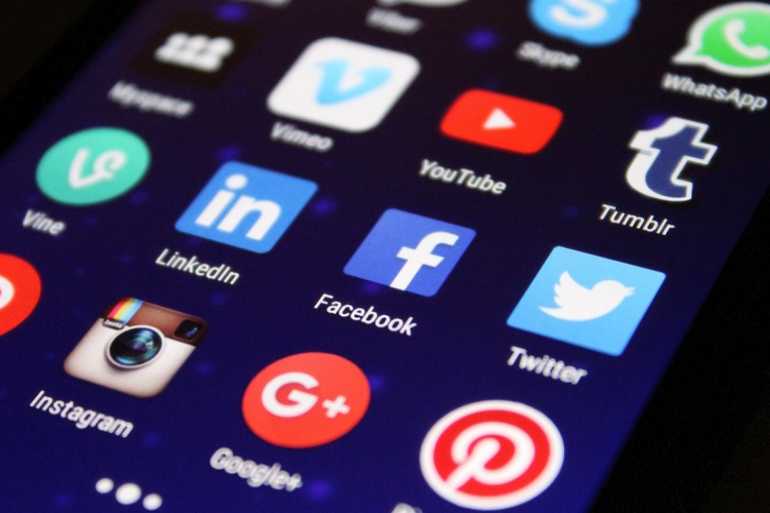
Physical clutter in your home creates mental distraction, and the exact same principle applies to your smartphone screen. Having dozens of apps installed on your phone invites endless tapping and mindless browsing whenever you feel bored.
Take ten minutes today to organize your phone's home screen:
- Uninstall Unnecessary Apps: Delete social media platforms, shopping apps, or news tools that you rarely use. If an app cluttering your screen serves no real purpose, remove it.
- Control Gaming Addiction: Mobile games are deliberately designed to keep you hooked for hours without adding real value to your life. Keep at most one game on your phone at a time.
- Use Built-in App Timers: Set a strict daily timer (for example, 20 or 30 minutes) on your gaming and social apps so they automatically lock when your time is up.
Removing digital distractions allows your mind to rest and improves your daily focus. If you want to replace screen scrolling with engaging, hands-on activities, explore our detailed guide on three powerful habits to break free from social media dependency.
5. Fix Specific Hours for Watching Videos and Scrolling
One of the biggest time-wasters on social media is auto-playing video streams. Algorithms are designed to queue one video after another, making it easy to lose two or three hours in a single sitting.
To overcome this trap, set a fixed, limited time window for watching videos each day. For example, schedule your video time for 30 minutes right before dinner. Because dinner time creates a natural stopping point, you will automatically put your phone away when your meal is ready, preventing you from falling into an endless scrolling loop.
Avoiding screens late in the evening is also vital for getting good rest, as blue light from screens interferes with natural sleep hormones. To learn about natural, caffeine-free ways to relax before bed, read our article on the health benefits of chamomile tea for stress relief and sleep.
Digital Declutter Checklist
| Step | Action Plan | Expected Mental Benefit |
|---|---|---|
| 1. Feed Audit | Unfollow or mute accounts that trigger jealousy or insecurity. | Reduces comparison anxiety and builds self-contentment. |
| 2. Positive Follows | Follow educational, uplifting, and skill-building channels. | Turns screen time into a productive learning experience. |
| 3. Zero Trolling | Avoid negative online arguments and refrain from harsh comments. | Promotes peace of mind and prevents emotional conflict. |
| 4. App Cleanup | Delete unused apps and place strict timers on mobile games. | Saves hours of wasted screen time and cleans your phone layout. |
| 5. Fixed Video Time | Watch short videos only during a scheduled period before meals. | Prevents endless auto-play loops and improves sleep hygiene. |
Taking control of your digital habits helps lower chronic daily stress. For additional holistic self-care practices to keep your mind calm, explore our guide on simple, natural ways to manage daily anxiety and mental health.
Frequently Asked Questions About Decluttering Social Media
How do I deal with the fear of missing out (FOMO) when I unfollow people?
Remind yourself that social media only shows highlight reels, not real life. Missing temporary online trends gives you the time and energy to focus on your real-world goals, health, and close relationships.
Is taking a complete social media break better than decluttering?
A complete digital detox is great for a short reset, but decluttering your accounts is more sustainable for long-term habits. Cleaning up your feed ensures that when you do use social media, it remains a positive space.
How many hours of social media use per day is considered healthy?
For most adults and students, limiting non-work social media use to 30 to 60 minutes per day is ideal for maintaining mental focus and preventing fatigue.
In summary, social media should be a tool that serves your life, not a master that controls your time and happiness. By unfollowing toxic accounts, cutting out online drama, setting app limits, and spending your time mindfully, you can enjoy a peaceful, balanced relationship with technology.

