How to Stay Productive and Healthy While Working From Home
Working from home has become a normal part of life for millions of professionals around the world. What started as a temporary solution for many companies has now evolved into a long-term work model. While working remotely offers flexibility, saves commuting time, and provides more freedom, it also comes with its own set of challenges.
Many people struggle with distractions, lack of motivation, unhealthy routines, and blurred boundaries between work and personal life. Over time, these issues can affect productivity, mental health, and overall well-being.
The good news is that successful remote work is not about working longer hours. It is about creating habits and systems that help you stay productive, healthy, and balanced. In this guide, we'll explore practical work from home lifestyle tips that actually work and can help you enjoy the benefits of remote work without sacrificing your health or personal life.
Why a Healthy Work From Home Lifestyle Matters
When you work in an office, your day naturally includes some movement and structure. You commute, walk to meetings, take lunch breaks, and interact with coworkers.
At home, however, it is easy to:
-
Sit for hours without moving
-
Work beyond normal office hours
-
Skip meals or eat unhealthy snacks
-
Feel isolated from others
-
Struggle to separate work from personal life
Over time, these habits can lead to stress, fatigue, weight gain, poor sleep, and burnout. That's why building a healthy remote work lifestyle is essential.
If you're looking to improve your overall routine beyond your working hours, these simple lifestyle changes for a healthier life can also help you build sustainable daily habits.
1. Start Your Day Like You're Going to the Office
One of the biggest mistakes remote workers make is rolling out of bed and immediately opening their laptops.
Instead, create a morning routine that prepares you mentally and physically for the workday.
A productive morning routine may include:
-
Waking up at the same time each day
-
Drinking water
-
Stretching or exercising
-
Taking a shower
-
Eating a healthy breakfast
-
Planning your day
This simple routine signals your brain that it's time to work and helps improve focus throughout the day.
A nutritious breakfast can also make it easier to avoid constant snacking later in the morning. If you're looking for filling options, explore these high-protein Indian breakfast ideas.
2. Create a Dedicated Workspace
Working from your couch or bed may seem comfortable at first, but it can reduce productivity and affect posture.
Try to create a dedicated workspace that is:
-
Quiet
-
Comfortable
-
Well-lit
-
Free from distractions
You do not need a large home office. Even a small desk in a corner can help establish a clear boundary between work and personal life.
A proper workspace also helps improve concentration and professionalism during virtual meetings.
3. Follow a Consistent Work Schedule
One advantage of remote work is flexibility. However, too much flexibility can create chaos.
Set regular working hours and stick to them as much as possible.
Benefits of a consistent schedule include:
-
Better productivity
-
Improved work-life balance
-
Reduced stress
-
Better sleep patterns
Starting and ending work at the same time each day helps create structure and prevents overworking.
4. Get Dressed for Work
You don't need to wear formal office clothes every day, but staying in pajamas all day can negatively affect motivation.
Changing into comfortable work clothes can:
-
Improve confidence
-
Increase focus
-
Create a professional mindset
-
Separate work time from relaxation time
This small habit can have a surprisingly positive impact on productivity.
5. Prioritize Daily Movement
One of the biggest health challenges of working from home is reduced physical activity.
Without commuting or walking around the office, many people become sedentary.
Simple ways to stay active include:
-
Taking short walks
-
Stretching every hour
-
Using stairs
-
Doing home workouts
-
Practicing yoga
Even 20 to 30 minutes of daily exercise can improve energy levels, mood, and overall health.
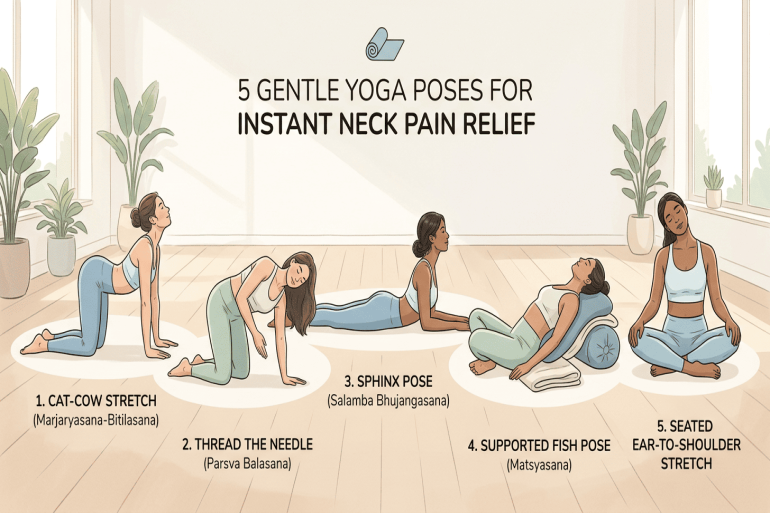
If long hours at a desk leave your neck and shoulders feeling tight, these gentle yoga poses for neck pain relief can be useful to explore as part of a movement routine.
6. Take Regular Breaks
Many remote workers either take too many breaks or none at all.
Working continuously for long hours often leads to mental fatigue and reduced productivity.
Try using techniques like:
-
The Pomodoro Method
-
Scheduled coffee breaks
-
Short walks
-
Eye relaxation exercises
Stepping away from your screen for a few minutes can improve focus and reduce stress.
7. Follow Healthy Eating Habits
When the kitchen is only a few steps away, it becomes easy to snack throughout the day.
Instead of reaching for chips or sugary foods, keep healthy options available.
Good choices include:
-
Fruits
-
Nuts
-
Yogurt
-
Roasted snacks
-
Smoothies
Planning meals in advance can also help you avoid unhealthy food choices during busy workdays.
For convenient options between meals, these low-carb, high-protein snacks can help you choose more filling alternatives to processed snacks.
8. Stay Hydrated
Many professionals underestimate the importance of hydration.
Dehydration can cause:
-
Headaches
-
Low energy
-
Difficulty concentrating
-
Mood changes
Keep a water bottle on your desk and make hydration a daily habit.
You can also include:
-
Herbal tea
-
Coconut water
-
Lemon water
Proper hydration helps maintain both physical and mental performance.
During warmer months, you can also explore these refreshing drinks for staying hydrated as alternatives to sugary beverages.
9. Set Boundaries Between Work and Home Life
One of the biggest remote work challenges is knowing when to stop working.
Many professionals continue checking emails late into the evening because their office is always nearby.
To maintain a healthy work-life balance:
-
Set a clear end-of-day time
-
Turn off work notifications
-
Avoid checking emails after hours
-
Leave your workspace when work is finished
Creating boundaries helps prevent burnout and protects personal time.
10. Limit Digital Distractions
Working from home often means dealing with distractions such as:
-
Social media
-
Streaming services
-
Personal phone calls
-
Household chores
Consider:
-
Turning off unnecessary notifications
-
Using website blockers
-
Keeping your phone away while working
-
Scheduling personal tasks separately
Reducing distractions can significantly improve productivity.
11. Stay Connected with Colleagues
Remote work can sometimes feel isolating.
Maintaining regular communication with coworkers helps build relationships and supports teamwork.
Ways to stay connected:
-
Virtual coffee chats
-
Team meetings
-
Online collaboration tools
-
Informal conversations
Strong workplace connections can improve job satisfaction and reduce feelings of isolation.
12. Protect Your Mental Health
Mental health is just as important as physical health.
Working from home can sometimes create:
-
Loneliness
-
Anxiety
-
Stress
-
Burnout
Simple self-care activities include:
-
Meditation
-
Deep breathing exercises
-
Journaling
-
Spending time outdoors
-
Talking with friends and family
Making mental health a priority helps maintain long-term productivity and happiness.
13. Learn to Manage Your Time Effectively
Good time management is one of the most valuable skills for remote workers.
Useful strategies include:
-
Creating daily to-do lists
-
Prioritizing important tasks
-
Breaking large projects into smaller steps
-
Scheduling focused work sessions
Managing your time effectively helps you accomplish more while reducing stress.
14. Invest in Ergonomics
Many remote workers experience neck pain, back pain, and eye strain due to poor workstation setups.
Consider investing in:
-
An ergonomic chair
-
Adjustable desk
-
External monitor
-
Keyboard and mouse
-
Proper lighting
A comfortable workspace supports long-term health and productivity.
Along with improving your workstation, regular movement and good posture can help you build healthier work habits. Avoid staying in one position for too long and use breaks as opportunities to stretch and move.
15. End Your Workday with a Shutdown Routine
Just as a morning routine prepares you for work, an end-of-day routine helps you disconnect.
Your shutdown routine may include:
-
Reviewing completed tasks
-
Planning tomorrow's priorities
-
Closing work applications
-
Cleaning your desk
-
Going for a short walk
This helps your brain transition from work mode to personal time.
Common Work From Home Mistakes to Avoid
Even experienced remote workers make mistakes that affect productivity.
Some common mistakes include:
-
Working from bed
-
Skipping breaks
-
Working excessive hours
-
Ignoring exercise
-
Eating unhealthy foods
-
Multitasking constantly
-
Neglecting social interaction
Recognizing these habits can help you build a healthier and more sustainable routine.
The Long-Term Benefits of a Healthy Remote Work Lifestyle
When you consistently follow healthy work from home habits, the benefits become noticeable.
You may experience:
-
Increased productivity
-
Better focus
-
Improved physical health
-
Reduced stress
-
Better sleep quality
-
Stronger work-life balance
-
Higher job satisfaction
The goal is not to work more hours but to work smarter while maintaining your well-being.
Final Thoughts
Working from home offers incredible flexibility, but success requires more than just a laptop and internet connection. Building a structured routine, staying physically active, maintaining healthy eating habits, and protecting your mental health are essential for long-term success.
The most effective work from home lifestyle tips are often the simplest ones. Small habits—such as taking breaks, creating a dedicated workspace, exercising regularly, and setting clear boundaries—can have a major impact on your productivity and overall quality of life.
Remember that remote work is a marathon, not a sprint. Focus on creating sustainable habits that support both your career and your personal well-being. With the right approach, working from home can be one of the most rewarding and productive ways to work.