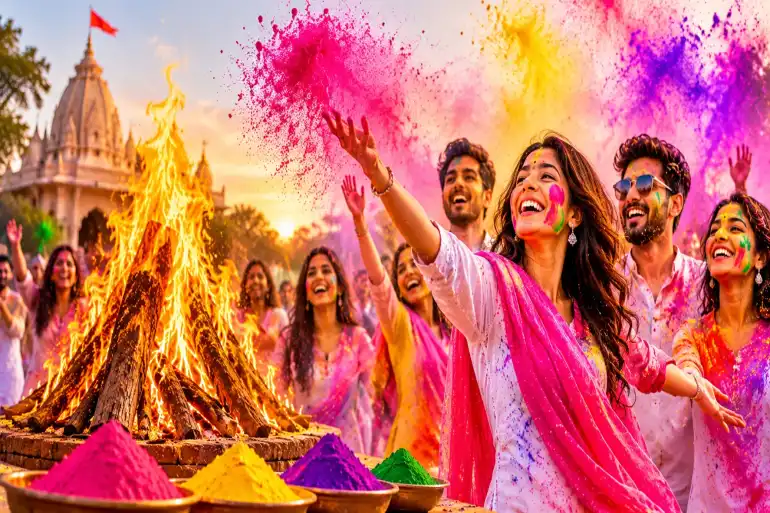
When Is Holi 2027? Date, Holika Dahan Time & Significance
Holi, popularly known as the Festival of Colours, is one of India's most joyful and widely celebrated Hindu festivals. It marks the arrival of spring, celebrates the victory of good over evil and brings people together through colours, music, food and festive gatherings. The festival is celebrated across India and by Indian communities around the world.
When is Holi 2027? Rangwali Holi, the main day of colour celebrations, will be observed on Monday, 22 March 2027. Holika Dahan, the traditional bonfire ceremony held on the preceding evening, falls on Sunday, 21 March 2027, according to the commonly followed North Indian calendar.
From the story of Prahlad and Holika to the playful traditions associated with Lord Krishna, Holi has a rich cultural and religious history. Here is everything you need to know about Holi 2027, including its dates, Holika Dahan timings, significance, traditions, food and safety tips.
When Is Holi 2027? Date and Important Timings
Holi is celebrated on the full-moon period of the Hindu month of Phalguna. The celebrations generally take place over two days: Holika Dahan on the first evening, followed by Rangwali Holi, when people play with colours, the next day.
| Event | Date | Day |
|---|---|---|
| Holika Dahan (Chhoti Holi) | 21 March 2027 | Sunday |
| Rangwali Holi (Festival of Colours) | 22 March 2027 | Monday |
Holika Dahan Muhurat 2027
For New Delhi, the Holika Dahan muhurat on 21 March 2027 is listed as 6:33 PM to 8:55 PM. The Phalguna Purnima tithi begins at approximately 6:21 PM on 21 March and ends at 4:13 PM on 22 March.
These timings are location-specific. The muhurat can vary according to sunset, local panchang calculations and regional religious traditions. People planning the ceremony should check the panchang for their city or consult their local temple or priest.
History and Mythological Significance of Holi
Holi has several stories and traditions associated with it, but one of its best-known origins comes from the Hindu legend of Prahlad and Holika. The story represents the victory of devotion and righteousness over arrogance and evil.
According to Hindu mythology, King Hiranyakashipu considered himself extremely powerful and wanted everyone to worship him. However, his son Prahlad remained a devoted follower of Lord Vishnu. Angered by his son's devotion, the king tried several times to punish him.

Eventually, Hiranyakashipu asked his sister Holika, who was believed to have a boon protecting her from fire, to sit in a blazing fire with Prahlad. The plan failed: Prahlad survived because of his devotion, while Holika was consumed by the flames. The story is remembered through the ritual of Holika Dahan and symbolises the triumph of good over evil.
Another important association is with Lord Krishna and Radha. Popular traditions connect Krishna's playful use of colours with the celebrations of Holi, particularly in the Braj region of Uttar Pradesh. These stories have helped make colours, music and joyful gatherings central to the festival.
Holi Traditions and Celebrations in India
Holi is celebrated in different ways across India, but its central spirit remains the same: togetherness, happiness and the renewal of relationships. Families, friends and communities gather to share food, exchange greetings and enjoy the festive atmosphere.
Playing with Colours and Gulal
The most recognisable Holi tradition is playing with coloured powders, commonly called gulal, and sometimes water. People apply colours to one another's faces, dance to festive music and enjoy outdoor celebrations. The colours are often associated with happiness, friendship and the breaking down of social barriers.
Many communities now prefer dry colours and natural, skin-friendly powders. Celebrating without forcing colours or water on anyone helps make the occasion more welcoming for everyone.
Holika Dahan: The Bonfire Before Holi
On the evening before Rangwali Holi, communities gather around a ceremonial bonfire known as Holika Dahan. The ritual recalls the story of Prahlad and Holika and represents the burning away of negativity and the victory of good over evil.
Families and neighbours may gather for prayers and traditional rituals around the fire. Customs and the precise timing of the ceremony vary across regions, so local religious guidance is generally followed.
Famous Regional Holi Celebrations
Some parts of India are especially known for their distinctive Holi traditions:
- Barsana and Nandgaon, Uttar Pradesh: The famous Lathmar Holi celebrations feature a playful tradition in which women symbolically chase men with sticks.
- Mathura and Vrindavan, Uttar Pradesh: These places are closely associated with Lord Krishna. Their celebrations include temple festivities, devotional music, flowers and colours.
- Jaipur and other parts of Rajasthan: Holi is celebrated with community gatherings, traditional music, dancing and festive food.
- Anandpur Sahib, Punjab: Hola Mohalla, which takes place around the Holi period, is known for Sikh martial arts demonstrations, processions and community events.
These regional celebrations show how one festival can bring together different customs, performances and cultural expressions.
Traditional Holi Foods and Drinks
Food is an important part of Holi celebrations. Families prepare special sweets and savoury snacks, share them with visitors and enjoy festive meals together.
- Gujiya: A popular sweet pastry filled with a mixture of khoya, nuts and sugar.
- Malpua: A traditional sweet pancake that is often served with syrup or other accompaniments.
- Mathri: A crispy savoury snack commonly enjoyed with tea.
- Dahi Bhalla: A refreshing snack made with lentil dumplings, yoghurt and chutneys.
- Thandai: A chilled milk-based drink flavoured with ingredients such as almonds, fennel, cardamom and saffron.
Some traditional thandai preparations may contain bhang, an intoxicating preparation made from cannabis leaves. Ingredients vary by recipe and region. If you prefer to avoid intoxicants, choose a non-intoxicating version and check the ingredients before drinking.
How to Celebrate Holi Safely and Responsibly
Holi is a time for enjoyment, but it is important to protect your skin, eyes and overall health. Some synthetic colours may contain irritating substances, while careless use of water and colour can cause discomfort or accidents.
- Choose skin-friendly colours: Prefer reputable, non-toxic colours and avoid powders with unknown ingredients.
- Protect your eyes: Do not throw colours directly into anyone's eyes. If colour enters the eyes, rinse gently with clean water and seek medical advice if irritation continues.
- Apply a protective layer: A suitable moisturiser or oil may help make colour easier to wash off. Use sunscreen when celebrating outdoors.
- Respect consent: Never force colours, water or physical contact on someone who does not want to participate.
- Stay hydrated: Drink enough water, especially if you are celebrating outdoors in warm weather.
- Avoid unsafe behaviour: Do not drive after consuming intoxicating substances, and keep children away from traffic, unsafe water balloons and crowded bonfires.
You can also read our practical tips for a safe Holi celebration for more guidance on protecting your skin, hair and eyes.
Celebrate an Eco-Friendly Holi
Holi can also be celebrated in ways that reduce harm to the environment. Excessive use of water, plastic balloons and colours containing unsuitable chemicals can create waste and affect the surroundings.
Consider using dry colours, choosing products with clearly listed ingredients, avoiding plastic water balloons and keeping celebrations away from rivers, lakes and other sensitive water bodies. Use water thoughtfully and dispose of festive waste responsibly.
Frequently Asked Questions About Holi 2027
1. When is Holi in 2027?
Rangwali Holi will be celebrated on Monday, 22 March 2027, according to the commonly followed North Indian calendar.
2. When is Holika Dahan in 2027?
Holika Dahan falls on Sunday, 21 March 2027. It is traditionally observed on the evening before the main day of Holi.
3. What is the Holika Dahan muhurat in 2027?
For New Delhi, the listed muhurat is 6:33 PM to 8:55 PM on 21 March 2027. Timings may vary by location and local panchang traditions.
4. Why is Holi celebrated?
Holi celebrates the victory of good over evil, the arrival of spring and the joy of togetherness. The story of Prahlad and Holika is one of the festival's best-known mythological traditions.
5. What is the difference between Holika Dahan and Rangwali Holi?
Holika Dahan is the bonfire ritual observed on the evening before Holi. Rangwali Holi is the following day's celebration, when people play with colours, meet friends and family and enjoy festive food.
6. Is Holi celebrated outside India?
Yes. Holi is celebrated by Indian communities and festival organisers in countries around the world, including Nepal, the United Kingdom, the United States, Canada, Australia and several other countries. The dates and local events may vary according to regional calendars and community traditions.
Conclusion
Holi 2027 will bring people together on Monday, 22 March, while Holika Dahan will be observed on the preceding evening, Sunday, 21 March, according to the commonly followed calendar in North India. From the traditional bonfire to colourful celebrations, music and festive food, Holi continues to hold a special place in India's cultural life.
As you prepare for Holi 2027, remember the festival's message of kindness, unity and the victory of good over evil. Celebrate with safe colours, respect everyone's comfort and make the occasion enjoyable for your family, friends and community.