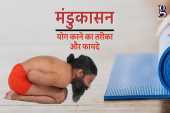
Correct Way of Practising Mandukasana Yoga | Benefits of Mandukasana
Yoga is a simple way to add movement, flexibility, strength, and relaxation to your daily routine. There are many yoga poses that focus on different parts of the body, and Mandukasana is one of the traditional poses often included in routines focused on the abdomen and digestion.
Mandukasana is commonly known as Frog Pose. The word comes from Sanskrit, where "Manduka" means frog and "Asana" means posture or pose. The folded position resembles a frog and involves the hips, knees, abdomen, and lower back.
In this guide, we will explain the correct way to practice Mandukasana, how long beginners can hold the pose, its commonly discussed benefits, and important precautions to keep in mind.
Table of Content
|
1. |
|
|
2. |
|
|
3. |
|
|
4. |
|
|
5. |
|
|
6. |
What is Mandukasana?
Mandukasana is a seated yoga posture traditionally associated with a frog-like position. It is generally practiced from a kneeling position and involves bending forward while placing the fists around the abdominal area.
The posture requires flexibility around the knees, ankles, hips, and lower back. Because the abdomen is compressed during the forward bend, Mandukasana is often included in yoga routines that focus on digestion and abdominal fitness.
It is important to understand that no single yoga pose can specifically remove belly fat. Weight management generally depends on overall physical activity, nutrition, sleep, and other lifestyle factors. However, Mandukasana can be included as one component of a regular yoga routine.
If your goal is to combine different poses for fitness, you can also explore this yoga routine for reducing belly fat for additional practices.
Preparation of Mandukasana
Proper preparation can make Mandukasana more comfortable, particularly for beginners. Since the pose puts pressure around the knees and abdomen, avoid rushing into the final position.
- Practice on a comfortable and level yoga mat.
- Wear loose and comfortable clothing that allows you to bend forward easily.
- Mandukasana is generally practiced on an empty or relatively light stomach.
- Allow around four to six hours after a heavy meal before practicing, if required by your routine.
- Start with a few gentle movements to loosen your knees, ankles, hips, and back.
- Practice slowly and avoid forcing your knees or ankles into an uncomfortable position.
People who are new to yoga can also begin with simpler poses before adding more demanding postures to their routine.
How to do Mandukasana
Follow these steps to practice Mandukasana correctly:
- Sit comfortably in Vajrasana, with your knees bent and your hips resting toward your heels.
- Make a fist with both hands and place your thumbs inside your fingers.
- Bring both fists toward the lower abdomen, around the area near the navel.
- Take a slow and comfortable breath in.
- As you exhale, slowly bend your upper body forward.
- Keep the fists gently positioned against the abdominal area as you bend.
- Try to keep your back controlled rather than suddenly dropping forward.
- Lower your chest toward your thighs only as far as feels comfortable.
- Keep your breathing steady and avoid holding your breath for an extended period.
- Hold the position for a comfortable amount of time.
- Slowly raise your upper body while taking a controlled breath.
- Return to Vajrasana and relax before repeating the pose.
Beginners should focus on controlled movement rather than trying to press the abdomen aggressively with the fists. The intensity can be increased gradually as your body becomes accustomed to the posture.
Time Spent in the Pose
There is no need to hold Mandukasana for several minutes when you are just starting. Begin with a short, comfortable hold and gradually increase the duration as your flexibility and familiarity with the pose improve.
You can start with around 20 to 30 seconds and rest between repetitions. More experienced practitioners may stay longer if they can maintain comfortable breathing and proper alignment.
Rather than focusing only on duration, pay attention to how your knees, ankles, back, and abdomen feel throughout the practice.
Health Benefits of Mandukasana
Mandukasana is traditionally practiced as part of yoga routines that focus on the abdomen, hips, and lower body. Its commonly discussed benefits include:
- Supports abdominal movement: The forward bend creates gentle compression around the abdominal area.
- May support digestion: Mandukasana is traditionally included in routines designed to support digestive function.
- Works the abdominal area: The posture engages the core and abdominal region while maintaining the folded position.
- Supports flexibility: Regular, comfortable practice can help improve mobility around the hips, knees, and ankles.
- Encourages mindful breathing: Like other yoga poses, practicing with controlled breathing can help develop body awareness.
- May support relaxation: Slow breathing and controlled movement can make the pose a useful part of a calming yoga routine.
- Supports an active lifestyle: Mandukasana can be combined with other yoga poses and physical activities as part of a balanced fitness routine.
If digestion is one of your main interests, you can also read about Pawanmuktasana and its benefits, another yoga pose commonly associated with the digestive system.
Mandukasana for Belly Fat
Mandukasana is frequently searched for in connection with belly fat reduction and weight loss. While the pose engages the abdominal region, it is important not to expect a single asana to directly burn or remove belly fat.
Reducing overall body fat requires a combination of regular physical activity, appropriate nutrition, adequate sleep, and sustainable lifestyle habits. Yoga can be one part of that routine because it can improve mobility, strength, body awareness, and consistency with physical activity.
For people looking for additional abdominal-focused yoga exercises, Naukasana or Boat Pose is another option to explore.
Mandukasana and Digestion
Mandukasana involves a forward bend that places gentle pressure around the abdomen. This is one reason it has traditionally been included in yoga routines focused on digestion.
Some practitioners use the pose as part of a morning yoga sequence. However, the posture should not be treated as a medical treatment for digestive disorders. Anyone experiencing persistent abdominal pain, severe indigestion, or another ongoing digestive problem should consult a qualified healthcare professional.
Common Mistakes While Practicing Mandukasana
Beginners can sometimes focus too much on reaching the final position and overlook proper form. Avoid these common mistakes:
- Do not force the knees into a painful position.
- Do not place excessive pressure on the abdomen with the fists.
- Avoid suddenly bending forward or returning to the starting position.
- Do not hold your breath throughout the posture.
- Do not continue if you experience sharp pain.
- Keep movements slow and controlled.
If you are also looking for yoga exercises aimed at improving mobility in other areas, these yoga poses for back pain relief can complement a broader flexibility routine.
Who Should Avoid Mandukasana?
Mandukasana may not be suitable for everyone. Because the pose involves the knees, ankles, abdomen, and lower back, people with certain injuries or medical conditions should take extra care.
Precautions
Keep the following precautions in mind before practicing Mandukasana:
- Avoid the pose if you have severe or acute back pain.
- People with recent abdominal surgery should not practice the pose without appropriate professional guidance.
- Those with knee or ankle injuries should avoid putting additional pressure on the affected area.
- If you have high blood pressure or another medical condition, seek professional advice before beginning the practice.
- People with ulcers or significant abdominal problems should avoid the pose unless a qualified professional says it is appropriate.
- Stop immediately if you experience sharp pain, dizziness, numbness, or unusual discomfort.
- Pregnant people should seek guidance from their healthcare professional before practicing yoga poses that compress the abdomen.
Yoga should complement appropriate medical care rather than replace it. If you have an existing health condition or injury, consult a qualified healthcare professional before starting a new exercise routine.
How to Add Mandukasana to Your Yoga Routine
Mandukasana does not have to be practiced on its own. It can be included in a short yoga sequence after gentle warm-up movements. Start with a few comfortable repetitions and allow enough rest between poses.
You can alternate abdominal-focused poses with gentler stretches to avoid overworking the same muscle groups. Consistency is generally more useful than forcing yourself to perform a difficult pose for a long duration.
For people comparing different forms of exercise, our guide on yoga versus gym for fitness explains how the two approaches differ and how each can fit into a fitness routine.
Final Thoughts
Mandukasana, or Frog Pose, is a traditional yoga posture that focuses on the abdominal region while also involving the hips, knees, and ankles. When practiced correctly and comfortably, it can be a useful addition to a regular yoga routine.
Beginners should concentrate on proper positioning, steady breathing, and gradual progress rather than trying to hold the pose for a long time. Along with Mandukasana, practicing a variety of suitable yoga poses and maintaining an active lifestyle can provide a more balanced approach to fitness and well-being.