Pawanmuktasana: Method, Benefits, and Precautions | A Yoga for Weight Loss
Yoga is not only limited to mental health; it can also be a useful part of a balanced physical fitness routine. In today's time, there is tremendous awareness of yoga's benefits. In this blog, we will be covering one more important yoga pose, Pawanmuktasana, and will know how it can support digestion, flexibility, and overall physical well-being.
If you are exploring yoga for weight management, digestion, or a more active lifestyle, you can also read our guide to yoga poses to reduce belly fat for more related asanas.
Table of Content
| 1 | What is Pawanmuktasana |
| 2 | Preparation of Pawanmuktasana |
| 3 | How to do Pawanmuktasana |
| 4 | Health Benefits of Pawanmuktasana |
| 5 | Time Spent in the Pose |
| 6 | Precautions |
| 7 | Live Video |
What is Pawanmuktasana
Pawanmuktasana is a Sanskrit word that is made up of 3 words.
Pawan: Air, Gas
Mukat: Release, Relieving
Asana: Pose
This pose is commonly known as the Wind-Relieving Pose. It focuses on the abdomen and can be included in a gentle yoga routine. It is not a physically exhausting posture, making it suitable for beginners when practiced comfortably and with proper technique. If you are new to yoga, you can also explore Mandukasana and its benefits as another yoga pose commonly included in wellness routines.
Pawanmuktasana can be practiced as part of a broader morning yoga routine. The important thing is to perform the pose slowly, breathe normally, and avoid forcing the body into a position that feels uncomfortable.
Preparation of Pawanmuktasana
- For better results, do this asana in the early morning or at another comfortable time when your stomach is relatively empty.
- Yoga is generally practiced several hours after a meal when your stomach and bowels are comfortable and settled.
- This can be included among the early poses in a gentle yoga session before moving to more demanding asanas.
Choose a quiet, flat surface and use a yoga mat if available. Wear comfortable clothing that allows your knees, hips, and abdomen to move freely.
How to do Pawanmuktasana

- Lay flat on your back on a level surface and make sure your feet are together and your arms are next to your body.
- Relax in this position and take a deep breath.
- Now exhale and bring your knees close to your chest and rest your thighs on your abdomen.
- Now, with your hands firmly clasped together, let your thighs gently press toward your stomach.
- Try to raise your head and chest off the floor so that your chin moves toward your knees. Do not force your neck.
- Hold the pose comfortably while breathing slowly and steadily.
- Bring your head, then your legs, down to complete the posture.
- After each round, relax your body and take enough rest before repeating.
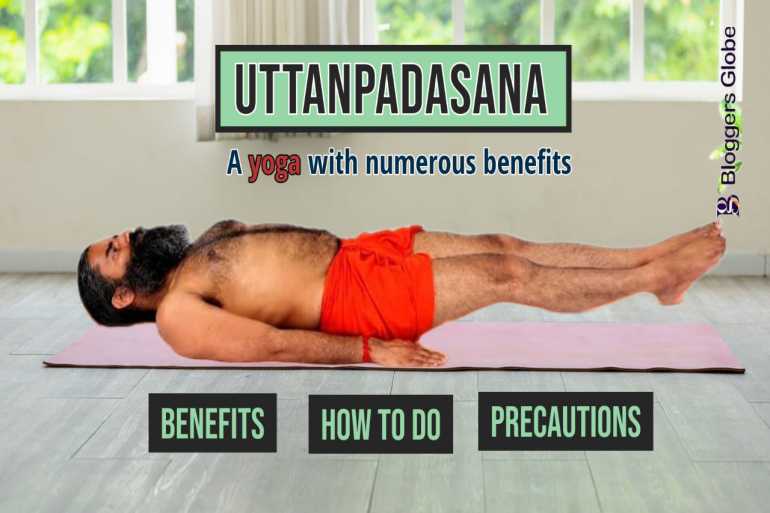
If you are building a beginner-friendly yoga sequence, you can alternate Pawanmuktasana with other poses such as Uttanpadasana, depending on your comfort and fitness level.
Health Benefits of Pawanmuktasana
Pawanmuktasana is a useful pose for physical and mental well-being. Below are some commonly associated benefits of the Wind-Relieving Pose:
- May support healthy digestion as part of a regular yoga routine.
- Can help strengthen and engage the abdominal area.
- Encourages gentle movement around the hips and lower back.
- May help improve flexibility in the lower body when practiced consistently.
- Can provide a gentle stretch for the lower back.
- Encourages controlled breathing and body awareness.
- The knee-to-chest position may provide a gentle abdominal stretch and movement.
- Can be included in a broader stretching and mobility routine.
For people interested in combining different poses, Naukasana or Boat Pose is another yoga posture that focuses on the abdominal and core region.
Time Spent in the Pose
Start by holding the final pose for around 10 seconds and increase the duration gradually as your comfort and technique improve. You can repeat the steps 2 to 3 times, taking a short rest between rounds.
There is no need to hold the pose for a long period to make the practice effective. Focus on controlled breathing, a relaxed neck, and comfortable movement rather than trying to push your body beyond its current ability.
Precautions
Yoga poses involve specific movements that should be performed with appropriate care. Before doing Pawanmuktasana, keep these precautions in mind:
- As there can be pressure around the abdomen, avoid this pose if you have recently undergone abdominal surgery unless your healthcare professional has cleared you for exercise.
- Do not practice this asana if a healthcare professional has advised you to avoid movements involving the abdomen, hips, neck, or lower back.
- If you have a hernia or another medical condition that could be affected by abdominal pressure, seek professional advice before practicing.
- Avoid applying excessive pressure from the thighs to the chest.
- Pregnant women should avoid this pose unless their healthcare professional specifically recommends an appropriate modification.
- Stop immediately if you experience sharp pain, dizziness, unusual breathing difficulty, or significant discomfort.
Yoga works best when practiced consistently and within your own limits. If you want to explore another complementary pose for strength and mobility, you can also read about Setubandhasana benefits and steps.