Future of AgriTech in India: Career Opportunities, Skills and Jobs
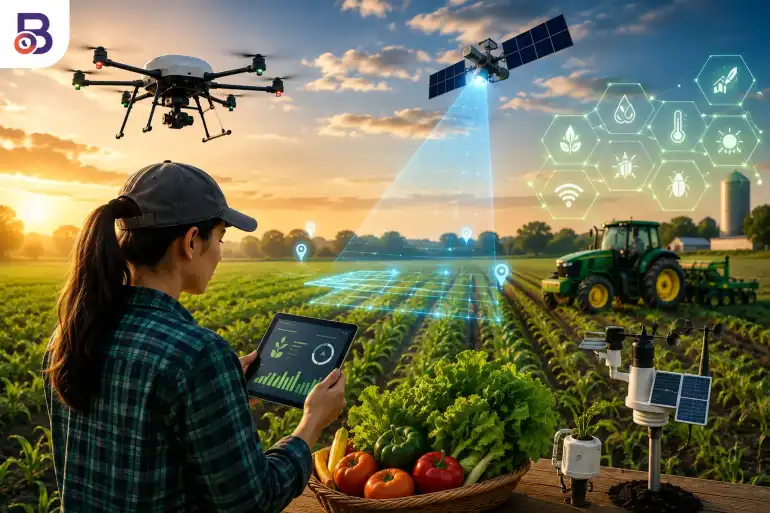
Technology is changing the way agriculture works. From drones flying over fields to sensors monitoring soil conditions, modern farming is becoming increasingly connected to data, artificial intelligence, satellites, and digital tools.
This change is creating a new area of opportunities known as AgriTech, or agricultural technology. It combines farming with technology to help farmers improve productivity, monitor crops, manage resources, and make better decisions.
For students and young professionals interested in both agriculture and technology, AgriTech is opening up career paths that did not exist in the same way a few years ago. The sector needs people who understand farming as well as professionals with skills in data, software, artificial intelligence, drones, electronics, and business.
Here is a closer look at how technology is transforming agriculture and the career opportunities emerging from this change.
Table of Contents
What Is AgriTech?
AgriTech is the use of technology to solve problems related to agriculture and farming. It covers a wide range of technologies, including drones, sensors, satellite imaging, artificial intelligence, machine learning, robotics, software platforms, and data analytics.
The objective is not simply to replace traditional farming methods. Instead, technology can help farmers make better decisions by providing information about crops, soil, weather, water, pests, and other conditions.
For example, a farmer can use sensors to monitor soil conditions, satellite images to observe large areas of farmland, or drones to inspect crops from above.
This combination of agriculture and technology is creating demand for professionals who can connect technical solutions with real farming needs.
How Technology Is Changing Farming
Farming has always depended on experience and knowledge of local conditions. Technology is now adding another layer of information to that experience.
Digital tools can help farmers monitor crops, identify potential problems, manage resources, and understand field conditions more efficiently.
Some of the technologies contributing to this transformation include:
- Artificial intelligence and machine learning
- Drones and aerial imaging
- Satellite imagery
- Soil and weather sensors
- Internet-connected farming equipment
- Data analytics
- Digital marketplaces and agriculture platforms
- Smart farm machinery
This means the modern agriculture sector increasingly needs people with technical, analytical, business, and field-level skills.
Drones and Remote Crop Monitoring
Drones are becoming an important part of modern agriculture because they can capture images of farmland from above.
Farmers and agricultural professionals can use aerial information to observe crop conditions, identify areas that need attention, and monitor large fields more efficiently.
Drones can also be combined with cameras and other sensors to collect useful field information. Instead of manually checking every part of a large farm, aerial technology can provide a broader view of the field.
This is creating opportunities for professionals who know how to operate drones, process aerial images, manage data, and apply the information to agricultural problems.
Possible roles include drone operators, drone technicians, agricultural imaging specialists, and professionals who work with drone-based farm monitoring systems.
AI, Sensors and Agricultural Data
Artificial intelligence is another major part of the AgriTech ecosystem.
Modern farms can generate large amounts of information through sensors, cameras, weather systems, farm equipment, and digital platforms. AI and data analytics can help turn this information into useful insights.
For example, data can be used to identify patterns in crop conditions, understand environmental changes, or support decisions about farm operations.
Machine learning can also help systems recognize patterns in images and other agricultural data.
This creates opportunities for professionals in areas such as:
- Data analytics
- Artificial intelligence
- Machine learning
- Software development
- Computer vision
- Data engineering
Students interested in AI can therefore explore agriculture as an application area rather than limiting their skills to traditional technology industries.
Satellite Technology in Agriculture
Satellite technology is helping agriculture move beyond what can be observed directly from the ground.
Satellite images can provide information about large agricultural areas and help monitor changes over time. When combined with other data sources, satellite information can become a useful tool for understanding field conditions.
This is particularly valuable when large areas need to be monitored regularly.
Satellite-based agricultural solutions require professionals who understand remote sensing, image processing, geographic information systems, data science, and agriculture.
As these technologies become more accessible, remote monitoring is likely to remain an important part of digital agriculture.
The Rise of Precision Farming
Precision farming focuses on using information and technology to manage agricultural activities more accurately.
Instead of treating an entire field in exactly the same way, farmers can use data to understand differences within the field and make more informed decisions.
Precision farming can involve:
- Soil monitoring
- Crop mapping
- GPS-based farm equipment
- Weather data
- Satellite imagery
- Drone-based monitoring
- Automated farm machinery
This approach requires a combination of agricultural knowledge and technical expertise.
Professionals working in this area may help design systems, analyze agricultural data, operate equipment, or advise farms on how to use technology effectively.
AgriTech Startups Are Creating New Opportunities
The growth of agricultural technology is also encouraging startups to develop solutions for farmers and other parts of the agricultural supply chain.
These companies can work on areas such as farm management software, agricultural marketplaces, drone services, smart equipment, crop monitoring, supply-chain technology, and data-driven farming solutions.
As the number of technology-focused agriculture businesses grows, career opportunities can extend beyond technical roles.
AgriTech companies also need professionals in:
- Product management
- Sales and marketing
- Business development
- Operations
- Customer support
- Supply-chain management
- Research and development
This makes AgriTech a broader career field than simply "working with farms."
Top AgriTech Career Opportunities
One of the biggest advantages of the AgriTech sector is the variety of career paths available.
1. Agricultural Data Analyst
Agricultural data analysts work with information collected from farms, sensors, satellites, weather systems, and digital platforms. They help identify patterns and turn data into useful insights.
2. Drone Operator
Drone operators can work with agricultural companies that use aerial technology for crop monitoring, mapping, and field surveys.
3. AI and Machine Learning Specialist
AI professionals can develop systems that analyze agricultural images, recognize patterns, predict certain outcomes, or support farming decisions.
4. Precision Agriculture Specialist
These professionals help farms use technology, field data, mapping systems, and smart equipment to improve agricultural operations.
5. Agricultural Software Developer
Software developers can create mobile applications, farm management platforms, marketplaces, dashboards, and other digital tools designed for the agriculture sector.
6. Remote Sensing Specialist
Remote sensing professionals work with satellite and aerial data to study agricultural land and identify useful patterns.
7. Smart Farm Equipment Specialist
Modern agricultural machinery increasingly includes sensors, automation, GPS, and digital controls. Professionals with mechanical and technology skills can find opportunities in this area.
8. AgriTech Product Manager
Product managers connect technology teams with users. In AgriTech, they need to understand both the technical product and the practical problems faced by farmers.
Skills Needed for an AgriTech Career
There is no single skill set required for every AgriTech job. The right combination depends on the role.
However, some skills can be particularly useful:
- Data analysis
- Programming
- Artificial intelligence
- Machine learning
- GIS and mapping
- Drone operation
- Remote sensing
- IoT and sensors
- Knowledge of agriculture
- Problem-solving
- Communication and business skills
A combination of technology and agricultural knowledge can be especially valuable because AgriTech professionals need to understand the real-world problems behind the technology.
What Should Students Study?
Students can enter AgriTech from different educational backgrounds.
Someone with an agriculture background can develop additional skills in data analytics, drones, GIS, or AI. Similarly, a computer science or engineering student can learn about agricultural processes and explore technology applications in farming.
Possible educational backgrounds include:
- Agricultural science
- Computer science
- Information technology
- Data science
- Electronics and communication
- Mechanical engineering
- Environmental science
- Remote sensing and GIS
Students can also build practical experience through projects, internships, online courses, field exposure, and technology-based agricultural experiments.
Having the right device can also make learning easier. Students exploring programming, data science, or AI applications can compare options in our guide to laptops for students in India.
Entrepreneurship Opportunities in AgriTech
AgriTech is not only creating jobs. It can also provide opportunities for entrepreneurs who understand problems faced by farmers and agricultural businesses.
A successful AgriTech idea does not necessarily need to involve complicated technology. Sometimes, a simple digital solution to a genuine agricultural problem can be valuable.
Potential areas for entrepreneurship include:
- Farm management applications
- Drone-based agricultural services
- Digital marketplaces
- Crop monitoring platforms
- Smart irrigation solutions
- Farm logistics technology
- Supply-chain management
- Agricultural data services
- Smart farming equipment
Entrepreneurs need more than technical skills, though. Understanding farmers, pricing, distribution, customer needs, and the economics of agriculture is equally important.
Future of AgriTech in India
India's large agricultural sector provides considerable scope for technology-based solutions. As digital tools become easier to access, the relationship between farming and technology is likely to become stronger.
Future agricultural systems may increasingly combine information from drones, satellites, sensors, weather services, farm machinery, and digital platforms.
This could lead to more connected and data-driven farming practices.
The biggest opportunity may be for professionals who can work across disciplines. Someone who understands agriculture and data, for example, may be able to solve problems that a purely technical or purely agricultural background cannot address alone.
For young people choosing a career today, AgriTech can therefore be an interesting field to explore. It brings together agriculture, technology, business, innovation, and entrepreneurship.
As with other technology careers, continuous learning will be important. Tools and techniques will change, so professionals will need to keep developing their technical and industry knowledge.
Conclusion
Technology is changing agriculture in ways that are creating a new generation of career opportunities. Drones, satellites, sensors, artificial intelligence, machine learning, data analytics, and smart machinery are becoming part of the modern farming ecosystem.
This transformation is creating opportunities for drone operators, data analysts, AI specialists, software developers, precision agriculture professionals, remote sensing experts, product managers, and entrepreneurs.
The strongest opportunities are likely to come from combining technology skills with a practical understanding of agriculture. Students and professionals who are willing to learn across both areas can position themselves for the changing world of farming.
AgriTech is still developing, which makes it an interesting field for people looking for careers at the intersection of technology, agriculture, data, and innovation.