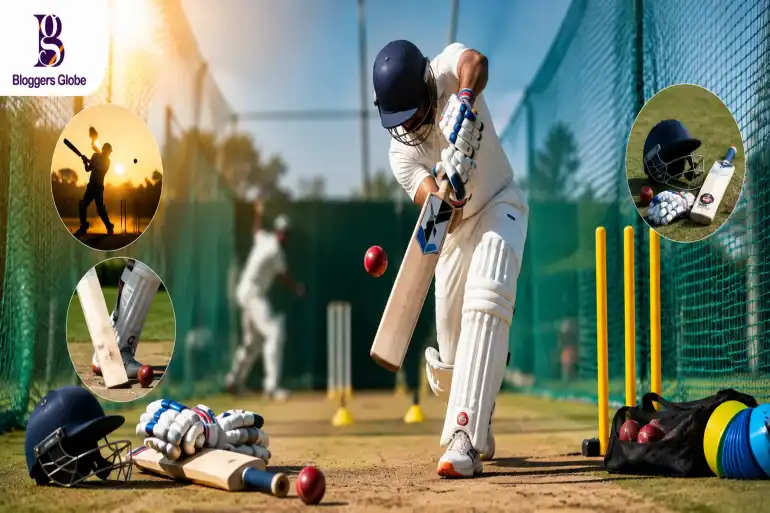
How to Improve Batting Skills in Cricket: Beginner's Guide
Batting is one of the most exciting parts of cricket, but becoming a good batter takes more than just hitting the ball hard. Good batting comes from a combination of technique, timing, footwork, concentration, and regular practice.
If you're a beginner, you don't need to spend hours trying complicated drills. Start with the basics and work on them consistently. A strong batting stance, better footwork, good hand-eye coordination, and the ability to choose the right shot can make a big difference to your game.
In this guide, we'll look at some simple and practical ways to improve your batting skills in cricket.
Table of Contents
- Understand the Basics of Batting
- Work on Your Batting Stance
- Improve Your Footwork
- Improve Hand-Eye Coordination
- Focus on Timing Instead of Power
- Learn Better Shot Selection
- Best Batting Practice Drills for Beginners
- Practice Against Pace and Spin
- Improve Your Cricket Fitness
- Work on Your Mental Game
- Common Batting Mistakes to Avoid
- Simple Batting Practice Routine
- Final Thoughts
Understand the Basics of Batting
Before trying to play advanced cricket shots, make sure your basic technique is strong. Beginners often focus too much on hitting boundaries and forget about balance and control.
A good batter should be comfortable with the basic skills of:
- Holding the bat correctly
- Maintaining balance
- Watching the ball carefully
- Moving the feet towards the ball
- Keeping the head steady
- Playing the ball under control
These basics may look simple, but they form the foundation of good batting. Once you become comfortable with them, more advanced shots become easier to learn.
Work on Your Batting Stance
Your batting stance is where every delivery begins. A comfortable stance allows you to react quickly to different types of bowling.
Keep your feet approximately shoulder-width apart and distribute your weight comfortably between both legs. Keep your knees slightly bent and your eyes focused towards the bowler.
Your grip should be firm enough to control the bat but not so tight that your wrists become stiff.
There is no single batting stance that works perfectly for every player. The important thing is to find a natural position that gives you balance and allows you to move easily.
Improve Your Footwork
Good footwork is one of the biggest differences between a beginner and an experienced batter. You need to move your feet towards the ball instead of simply reaching for it with your hands.
Against a full delivery, try moving your front foot towards the ball. Against a shorter delivery, move back quickly and create enough space to play the shot.
You can practice simple forward and backward movements without a bowler. Ask a partner to call "front" or "back" while you practice moving into the correct position.
Regular movement drills can also help improve your overall cricket fitness. Our guide on cricket fitness exercises covers exercises that can help develop speed, strength, agility, and movement.
Improve Hand-Eye Coordination
Good hand-eye coordination helps you judge the speed and direction of the ball. It is particularly important when playing fast bowling or reacting to unexpected deliveries.
You can improve coordination with simple exercises at home or during cricket practice.
- Throw a tennis ball against a wall and catch it.
- Ask a partner to throw balls from different angles.
- Practice catching with one hand and then both hands.
- Use a soft ball for reaction drills.
- Practice hitting a stationary ball before moving to a moving ball.
Spend just 10–15 minutes on these exercises several times a week. Consistent practice is more useful than doing a long session once in a while.
Focus on Timing Instead of Power
One of the most common mistakes beginners make is trying to hit every ball as hard as possible.
Power is useful, but timing is often more important. A well-timed shot can travel quickly even when you don't use maximum strength.
Try to watch the ball until it reaches you and meet it with the middle of the bat. Keep your head still and avoid swinging too early.
Start your practice with controlled shots rather than trying to hit sixes. Once your timing improves, you can gradually work on power.
Learn Better Shot Selection
Good batting is not about playing every possible shot. It is about knowing which shot to play against a particular delivery.
For example, a full delivery outside off stump may give you an opportunity to drive, while a short delivery may be better suited to a pull or cut depending on its line and pace.
As a beginner, focus on learning a few reliable shots first:
- Defensive shot
- Straight drive
- Cover drive
- On drive
- Square cut
- Pull shot
- Flick shot
Don't worry about learning every modern cricket shot immediately. A small collection of reliable shots will give you more confidence at the crease.
Best Batting Practice Drills for Beginners
1. Shadow Batting
Shadow batting means practicing your batting movements without a ball. It helps you work on your stance, footwork, backlift, and shot movement.
Spend five minutes practicing forward defense, straight drives, cover drives, and back-foot movements.
2. Throw-Down Drill
Ask a partner to throw the ball towards you from a short distance. Start slowly and focus on watching the ball and playing controlled shots.
As your confidence improves, increase the speed and vary the direction.
3. Wall Rebound Drill
Use a tennis ball and a wall to practice reaction speed. Hit the ball gently against the wall and prepare to respond when it comes back.
4. Target Batting
Place cones or markers in different areas of the ground. Try to hit the ball towards a specific target rather than simply hitting it as hard as possible.
This drill improves both control and shot placement.
Practice Against Pace and Spin
Fast bowling and spin bowling require different techniques. Beginners should practice against both rather than becoming comfortable with only one type of bowling.
Facing Fast Bowling
Keep your eyes on the ball and avoid making large movements before you know where the ball is going. Good balance and quick footwork become especially important against pace.
Facing Spin Bowling
Against spin, learn to use your feet. You can move forward to the pitch of the ball or move back to create space depending on the delivery.
Practicing against different bowlers will help you understand how the ball behaves and improve your decision-making.
Improve Your Cricket Fitness
Batting requires more fitness than many beginners realize. You may need to run between the wickets repeatedly, maintain concentration for a long innings, and stay balanced while playing different shots.
Work on your legs, core, speed, and overall stamina. Short sprint drills, squats, lunges, planks, and agility exercises can all be useful additions to your training routine.
Your footwear also matters when training regularly. A comfortable pair with suitable grip and support can make movement easier. Before buying one, check our guide to sports shoes for running and cricket to understand what features to look for.
Work on Your Mental Game
Cricket is not only a physical game. Your mindset can have a major effect on your batting performance.
Beginners often lose confidence after playing a few bad shots. Instead of thinking about the previous delivery, try to focus on the next ball.
Before facing the ball, take a breath and concentrate on what the bowler is doing. Avoid thinking too much about scoring runs quickly.
A simple mindset can help: watch the ball, make a decision, and play your shot.
Confidence also comes from preparation. The more you practice basic shots and game situations, the more comfortable you will feel during an actual match.
Common Batting Mistakes to Avoid
Beginners usually improve faster when they understand their mistakes. Some common problems include:
- Trying to hit every ball hard
- Taking your eyes off the ball
- Standing too stiff at the crease
- Using only your hands instead of moving your feet
- Playing shots without considering the delivery
- Practicing only one type of bowling
- Ignoring fitness and recovery
- Changing technique too frequently
Don't try to fix everything at once. Choose one or two areas and work on them consistently before moving to the next problem.
Simple Batting Practice Routine
If you're a beginner, you don't need a complicated training schedule. A simple one-hour session can be enough to build your skills.
| Practice | Time |
|---|---|
| Warm-up and movement | 10 minutes |
| Shadow batting | 5 minutes |
| Throw-down practice | 15 minutes |
| Shot placement drills | 10 minutes |
| Practice against pace or spin | 15 minutes |
| Cool-down and stretching | 5 minutes |
You can change the routine depending on your skill level and available time. The key is to practice regularly and focus on quality rather than simply spending more hours at the nets.
Nutrition and recovery should also be part of your training. Eating the right foods around your training sessions can help you stay energized. Check our guide to foods to eat before and after a workout for practical ideas.
Final Thoughts
Learning how to improve batting skills in cricket takes time. You don't need to become an aggressive power hitter overnight. Start with the basics, build a comfortable stance, improve your footwork, and learn to watch the ball carefully.
Focus on timing and shot selection before worrying about hitting big sixes. Regular throw-downs, shadow batting, target practice, and sessions against both pace and spin can gradually make your batting more reliable.
Fitness also plays an important role. Better stamina, speed, balance, and agility can help you stay effective throughout an innings.
Most importantly, enjoy the process. Cricket batting improves through repetition, patience, and learning from mistakes. Keep practicing the basics, stay consistent, and your confidence at the crease will naturally grow.
If you're also interested in following the next generation of Indian cricket talent, take a look at our list of young Indian cricketers to watch.