
A yoga mat is usually the first thing people buy when they start yoga at home, and it is easy to get wrong. Too thin and your knees hurt on a marble or tiled floor; too soft and you wobble in standing poses; the wrong material and your hands slide once you start to sweat. This guide explains how to choose the best yoga mat for beginners in India: which thickness to pick (4mm, 6mm or 8mm), how the common materials differ, and six mats from ₹249 to about ₹1,400 that cover each need.
Prices were checked on Amazon on 22 November 2026. Details such as thickness and material come from each product's listing.
Short answer: most beginners do well with a 6mm TPE mat (around ₹600–850). Choose 8mm or thicker if your knees are sensitive or you mainly do floor exercises, and a 4mm rubber mat if you want the steadiest grip for standing and balancing poses.
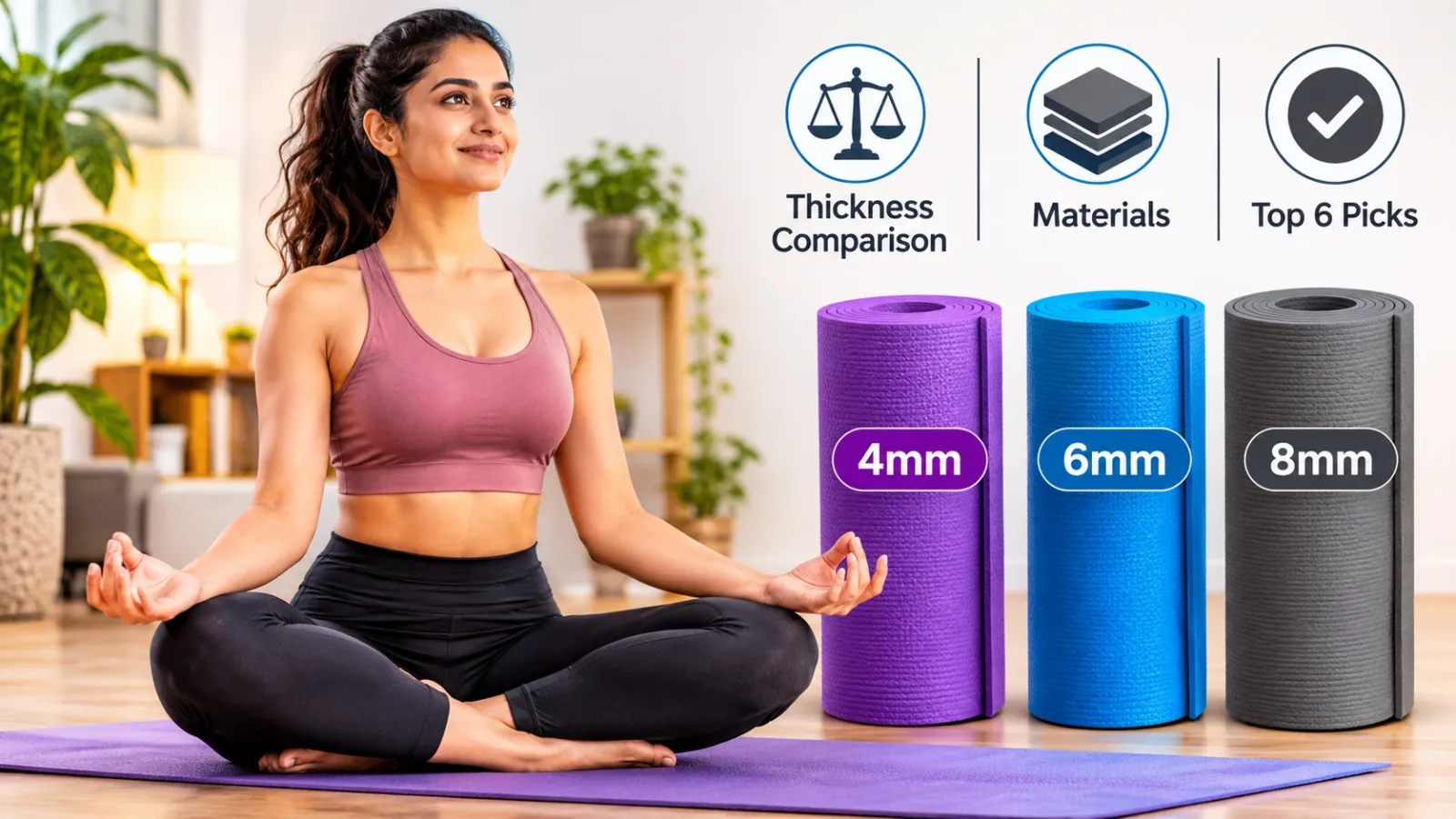
4mm vs 6mm vs 8mm: which yoga mat thickness is better?
Thickness is a trade-off between cushioning and stability.
- 4mm: firm and close to the floor. You feel stable in standing and balancing poses such as Tree pose and the Warrior poses, and the mat is light to carry. On a hard floor, kneeling poses can be uncomfortable unless you fold the mat or add a towel under your knees.
- 6mm: the middle ground and the most popular thickness for beginners. It cushions knees, hips and the spine on tiled or marble floors and is still firm enough for most standing poses.
- 8mm and above: soft and cushioned. Good for floor exercises, stretching, Pilates and anyone with sensitive knees or wrists. The softness can make you sway in balancing poses, and thick foam mats are bulkier to roll and store.
Indian homes mostly have hard floors (tiles, marble, kota stone), which is why 6mm is a sensible default. If you have a carpet or rug, a 4mm mat is usually enough.
EVA, TPE, NBR or natural rubber: which material is best?
| Material | Typical price | Grip | Good to know |
|---|---|---|---|
| EVA foam | ₹250–500 | Fair; can turn slippery with sweat | Very light and cheap. Wears and dents faster. Fine for occasional use. |
| TPE | ₹550–900 | Good | Light, often two-tone and reversible, and free of latex. A good all-rounder for beginners. |
| NBR foam | ₹500–1,200 | Fair | Usually 8–15mm thick. Very cushioned, best for floor workouts rather than balance poses. |
| Natural rubber (often with a suede or PU top) | ₹1,300 and up | Best, especially with a suede top when you sweat | Heavy and dense. New rubber mats can smell for a few days. Not for people with a latex allergy. |
If you practise in a hot room or sweat a lot, grip matters more than cushioning. A suede-topped rubber mat, or a towel over a TPE mat, stops your hands sliding in Downward Dog.
What size yoga mat do you need?
The standard size is about 183 × 61 cm (6 ft × 2 ft), which suits most people up to about 6 ft tall. If you are taller, look for a mat of 190 cm or more so your head and feet stay on the mat when you lie down. Width matters less, but a wider mat helps if you also use it for workouts that need sideways movement.
6 best yoga mats for beginners in India
1. Lifelong EVA yoga mat, 4mm: ₹249
The cheapest sensible option: a light 4mm EVA mat with a textured, non-slip surface. Good for trying yoga before committing to a better mat, or as a second mat for travel. Expect it to wear faster than TPE or rubber.
Best for: very tight budgets and occasional use. See the Lifelong 4mm EVA mat on Amazon (₹249 when checked; MRP ₹799)
2. Boldfit EVA yoga mat, 6mm: ₹499
A 6mm EVA mat in the standard 183 × 61 cm size, with non-slip texture on both sides and a carry strap included. Extra cushioning over the 4mm mat for knees and elbows at a low price.
Best for: beginners on a budget with hard floors. See the Boldfit 6mm EVA mat on Amazon (₹499 when checked; MRP ₹899)
3. Lifelong dual-colour TPE yoga mat, 6mm: ₹599
A two-tone 6mm TPE mat that the listing describes as sweat-resistant and easy to wash. TPE gives better grip and holds its shape longer than EVA for only a little more money, which makes this our pick for most beginners.
Best for: most beginners practising at home. See the Lifelong 6mm TPE mat on Amazon (₹599 when checked)
4. Boldfit TPE alignment yoga mat, 6mm: ₹849
A 6mm TPE mat printed with alignment lines that help you place your hands and feet in the same position each time. That is genuinely useful when you are learning poses from videos and don't have a teacher to correct your posture.
Best for: self-taught beginners following online classes. See the Boldfit alignment mat on Amazon (₹849 when checked; MRP ₹1,699)
5. Amazon Basics NBR exercise mat, 8mm: ₹539
An 8mm NBR foam mat with a carry strap and a textured non-slip surface. It is built for cushioning rather than balance, so it suits floor-based routines, stretching, core work and gentle yoga. The same mat is sold in 10mm and 15mm versions for even more padding.
Best for: sensitive knees and floor workouts. See the Amazon Basics 8mm NBR mat on Amazon (₹539 when checked; MRP ₹1,200)
6. Lifelong suede and natural rubber yoga mat, 4mm: ₹1,393
The listing describes a 1mm suede microfibre top on a 3mm natural rubber base. The suede absorbs sweat and the rubber grips the floor, so this is the steadiest mat in the list for standing poses and sweaty sessions. It is thinner than the foam mats, so add a folded towel under your knees for kneeling poses. Avoid it if you are allergic to latex.
Best for: regular practice and anyone whose hands slip. See the Lifelong rubber mat on Amazon (₹1,393 when checked; MRP ₹4,999)
Comparison table
| Mat | Material | Thickness | Price checked | Best for |
|---|---|---|---|---|
| Lifelong EVA | EVA | 4mm | ₹249 | Trying yoga, travel |
| Boldfit EVA | EVA | 6mm | ₹499 | Budget, hard floors |
| Lifelong dual-colour TPE | TPE | 6mm | ₹599 | Most beginners |
| Boldfit alignment | TPE | 6mm | ₹849 | Learning from videos |
| Amazon Basics NBR | NBR foam | 8mm | ₹539 | Knees, floor workouts |
| Lifelong suede + rubber | Natural rubber, suede top | 4mm | ₹1,393 | Grip, sweaty sessions |
Prices change often; check the current price before buying.
How to look after your yoga mat
- Wipe it after each session with a damp cloth. Once a week, clean it with water and a little mild soap, then let it air-dry fully before rolling.
- Keep it out of direct sun. Leaving a mat on a sunny balcony to dry makes foam and rubber go brittle and fade.
- Roll it with the top surface facing out so the edges lie flat when you unroll it.
- Air out a new mat. New TPE and rubber mats can have a smell for a few days. Leave it unrolled in a ventilated room.
Poses to start with on your new mat
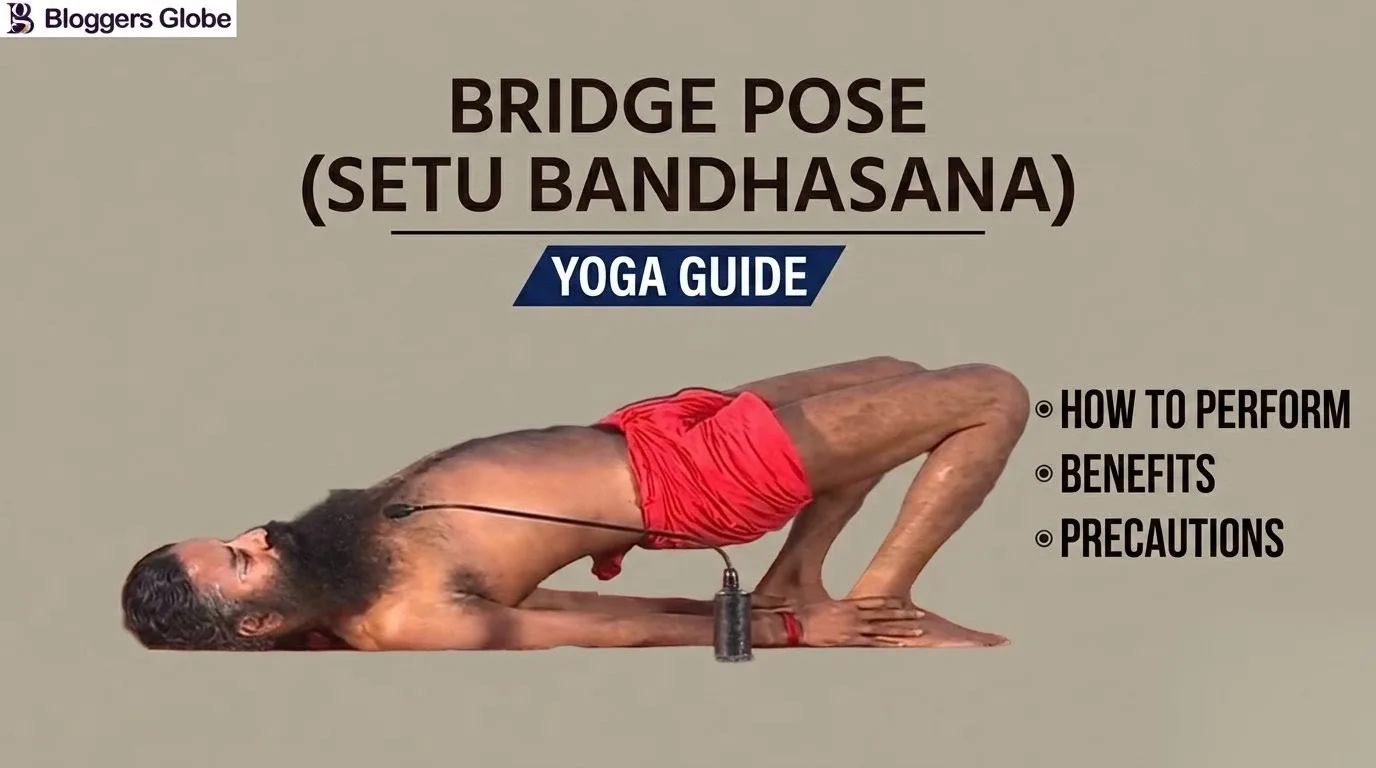
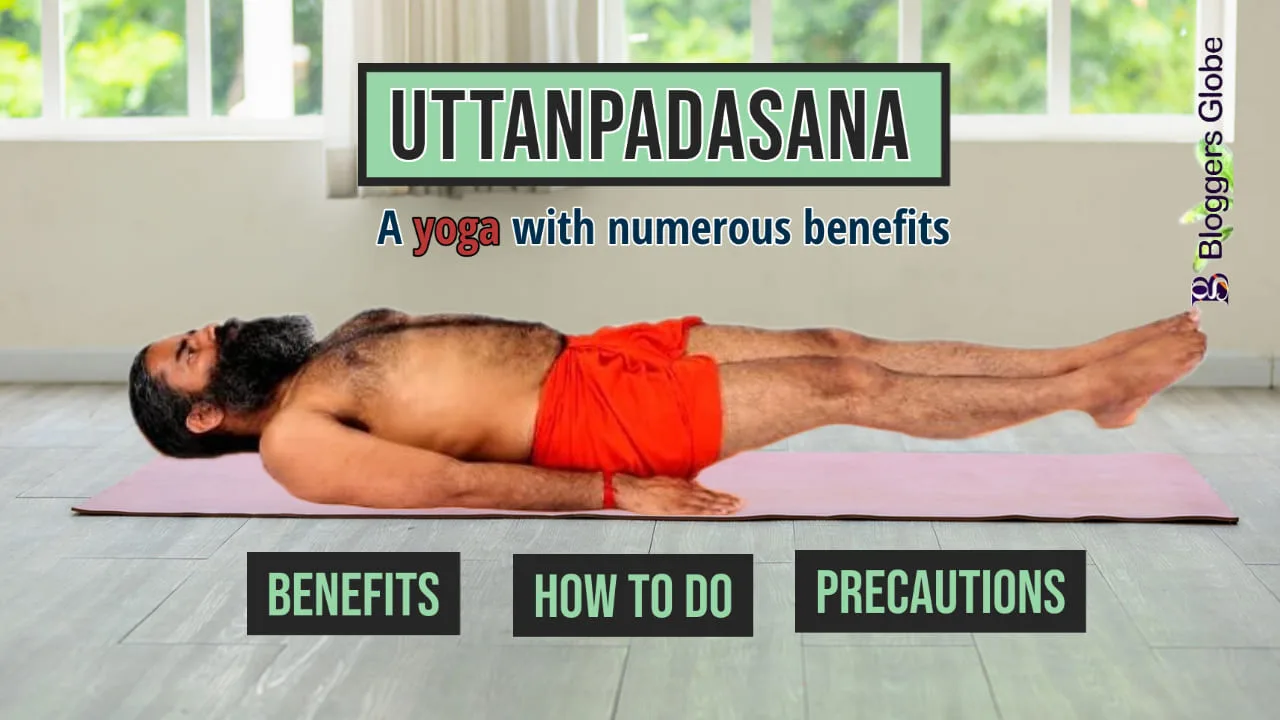
Begin with gentle poses and build up. If you sit at a desk all day, our guides to gentle yoga poses for neck pain and yoga for shoulder pain are a good place to start. For an evening routine, try these bedtime yoga poses for better sleep. When you are ready for core and back work, learn Uttanpadasana and the Bridge pose (Setubandhasana), both of which are easier on a 6mm mat. Still deciding between yoga and other exercise? Read yoga vs gym for weight loss and fitness.
If you have a medical condition, an injury or are pregnant, check with a doctor before starting a new exercise routine.
Frequently Asked Questions
Which yoga mat is better, 4mm or 6mm?
For most beginners on hard Indian floors, 6mm is better because it cushions the knees and spine while staying stable enough for standing poses. Choose 4mm if you practise on a carpet, travel with your mat, or want maximum stability for balancing poses.
Which material is best for a yoga mat?
Natural rubber gives the best grip but is heavier, pricier and unsuitable for people with a latex allergy. TPE is the best value for most beginners: light, grippy enough and latex-free. EVA is the cheapest but wears out sooner, and thick NBR foam is best for floor exercises rather than balance.
Which company's yoga mat is best in India?
No single brand is best for everyone. Pick the thickness and material first, then a brand with many reviews and a clear return policy. Lifelong, Boldfit and Amazon Basics all sell mats across the price range at the time of writing.
Is an 8mm or 10mm yoga mat good for beginners?
It is comfortable for floor exercises and sensitive knees, but the soft surface makes standing and balancing poses harder. If yoga (rather than general floor exercise) is your main goal, 6mm is usually a better start.
How long does a yoga mat last?
It depends on the material and how often you practise. Cheap EVA mats show wear first. Replace any mat that has started to flake, tear or lose its grip, because a slippery mat makes injuries more likely.








Conversation
0 commentsNo comments yet — be the first.