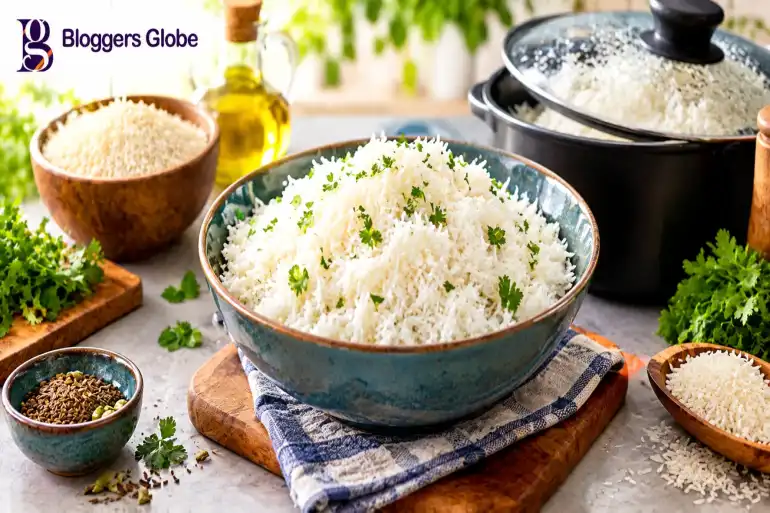
How to Cook Perfect Rice Every Time: Easy Rice Cooking Tips for Beginners
Rice is one of the simplest foods to cook, yet getting it perfectly fluffy can sometimes be surprisingly difficult. Too much water can make it mushy, while too little can leave the grains hard or undercooked.
The good news is that you don't need professional cooking skills to make great rice. Once you understand the right water ratio, heat, cooking time, and resting method, you can prepare fluffy rice consistently at home.
Whether you're making everyday steamed rice, basmati rice, jeera rice, or rice to serve with curry, these simple tips will show you how to cook perfect rice every time.
Choose the Right Type of Rice
The first step toward perfect rice is choosing the right variety. Different types of rice have different grain sizes, starch levels, textures, and cooking requirements.
Basmati rice is popular for Indian meals because it produces long, aromatic grains. It works particularly well with curries, pulao, biryani, and other rice-based dishes.
Short- and medium-grain rice tends to become softer and stickier when cooked. This can be useful for dishes such as curd rice, khichdi, and some rice desserts.
Don't try to use exactly the same water ratio and cooking time for every variety. Always check the instructions on the rice package when trying a new type.
Wash and Prepare the Rice
Washing rice before cooking can remove excess surface starch, which may help produce more separate grains, particularly when preparing varieties such as basmati rice.
Place the rice in a bowl and rinse it with clean water. Gently move the grains around with your fingers and drain the cloudy water.
Repeat this process a few times until the water becomes noticeably clearer. You don't necessarily need perfectly clear water, so avoid washing the grains excessively.
For basmati rice, soaking can also be useful. Soaking the rice for around 15 to 30 minutes before cooking can help the grains cook more evenly and may reduce the chance of broken grains.
Get the Water Ratio Right
The amount of water is one of the most important factors when learning how to cook rice. However, there isn't one universal ratio because it depends on the rice variety and cooking method.
As a starting point for stovetop cooking, many long-grain white rice varieties work well with roughly 1 cup rice to 1.5 to 2 cups water. Basmati rice often requires less water, especially when it has been soaked first.
For the best results, use the package instructions as your starting point and adjust the ratio slightly based on your preferred texture and cooking equipment.
If your rice repeatedly turns mushy, try reducing the water slightly. If it remains hard after the water has been absorbed, you may need a little more water or additional cooking time.
How to Cook Rice on the Stove
Once your rice is washed and measured, stovetop cooking is straightforward.
Step 1: Combine Rice and Water
Add the washed rice and measured water to a saucepan. You can add a small amount of salt if desired.
Step 2: Bring It to a Boil
Place the pan over medium-high heat and bring the water to a gentle boil. Once it starts boiling, avoid stirring the rice repeatedly.
Step 3: Reduce the Heat
As soon as the water begins boiling, reduce the heat to low and cover the pan with a tight-fitting lid.
This is an important step. Keeping the heat too high can cause the water to evaporate too quickly while the rice remains undercooked.
Step 4: Let the Rice Cook
Allow the rice to cook gently until the water has been absorbed and the grains are tender. Depending on the variety, this can take roughly 12 to 20 minutes.
Try not to keep opening the lid. Every time you remove the lid, steam escapes and the cooking environment changes.
Step 5: Turn Off the Heat and Rest
Once the rice is cooked, turn off the heat and leave the pan covered for another 5 to 10 minutes.
This resting period allows the remaining steam to finish cooking the grains and can help improve the final texture.
Step 6: Fluff With a Fork
Finally, remove the lid and gently fluff the rice using a fork. Avoid aggressively stirring it with a spoon because this can break the grains and make them stick together.
How to Make Rice Fluffy and Non-Sticky
If your goal is fluffy rice with separate grains, a few small habits can make a noticeable difference.
- Don't use excessive water: Too much water is one of the most common reasons rice becomes mushy.
- Wash the rice: Removing some surface starch can help reduce excessive stickiness.
- Don't stir constantly: Frequent stirring can release more starch and damage the grains.
- Keep the lid closed: Steam is an important part of the cooking process.
- Use low heat: Gentle cooking gives the grains time to absorb the water evenly.
- Let the rice rest: A few minutes of covered resting can improve the texture.
- Fluff gently: Use a fork rather than aggressively mixing the cooked rice.
These habits are part of the basic cooking skills covered in our guide to essential kitchen tips for home cooks.
Common Rice Cooking Mistakes
Using Too Much Water
This is probably the most common problem. Excess water can turn separate rice grains into a soft, sticky mixture.
Start with the recommended ratio for your specific rice variety and make small adjustments rather than making large changes.
Cooking on High Heat the Entire Time
High heat may bring the water to a boil quickly, but keeping the rice on high heat throughout cooking can cause uneven results.
Once the water reaches a boil, reduce the heat and allow the rice to cook gently.
Opening the Lid Too Often
It can be tempting to check whether the rice is ready every few minutes. However, repeatedly opening the lid allows steam to escape.
Trust the cooking time and check toward the end rather than constantly lifting the lid.
Stirring the Rice While It Cooks
Rice doesn't need constant stirring. In fact, unnecessary stirring can release starch and make the finished rice stickier.
Once you've combined the rice and water, leave it alone while it cooks.
Skipping the Resting Period
Even when the rice looks cooked, giving it a few minutes to rest can improve the final texture.
Keep the lid on during this period so the steam remains inside the pan.
Easy Ways to Serve Cooked Rice
Perfectly cooked rice is incredibly versatile. Plain rice can become part of countless quick and satisfying meals.
Serve it with dal, vegetable curry, rajma, chana masala, paneer, egg curry, or grilled vegetables. For a flavorful variation, turn it into jeera rice by adding cumin seeds and a little ghee.
If you're looking for complete meal inspiration, our collection of easy Indian dinner recipes for beginners includes several dishes that pair naturally with rice.
Rice can also be used for pulao, fried rice, curd rice, lemon rice, and rice bowls. Having properly cooked rice ready can make it much easier to prepare a quick homemade meal.
For healthier everyday meals, you can also combine rice with vegetables, lentils, beans, and other nutritious ingredients. These traditional Indian foods that are actually healthy offer more ideas for balanced home cooking.
How to Cook Rice Without Measuring the Water
If you don't want to measure an exact water ratio, you can use the absorption method with a little practice, or use the draining method.
With the draining method, rice is cooked in a larger amount of boiling water, similar to cooking pasta. Once the grains are tender, the excess water is drained.
This method can be useful when you're uncertain about the exact water requirement of a particular rice variety. However, the absorption method generally gives you more control over the final texture once you understand the correct ratio.
How to Store Leftover Rice
If you have leftover rice, don't leave it sitting at room temperature for a long period. Transfer it to a suitable container and refrigerate it promptly once it has cooled appropriately.
When reheating, make sure the rice is heated thoroughly and steaming hot throughout. Only prepare or keep as much rice as you are likely to eat, especially in warm weather.
Good storage habits are just as important for the ingredients you use before cooking. Our guide on how to store fruits and vegetables properly has more practical food-storage tips.
Simple Rice Variations to Try
Once you can consistently cook plain rice, you can experiment with different flavors without changing the basic technique too much.
- Jeera rice: Temper cumin seeds in ghee or oil and combine with cooked rice.
- Lemon rice: Add lemon juice, curry leaves, peanuts, and simple tempering spices.
- Vegetable pulao: Cook rice with mixed vegetables and aromatic whole spices.
- Curd rice: Mix cooled cooked rice with yogurt and a simple tempering.
- Fried rice: Stir-fry cooked rice with vegetables and your preferred seasonings.
If you're cooking regularly, having the right preparation tools can also make meal preparation easier. Our guide to the best food processor for home cooking explains where a food processor can help with everyday kitchen preparation.
Frequently Asked Questions
What is the best water-to-rice ratio?
The ideal ratio depends on the rice variety and cooking method. As a general starting point, many white rice varieties use around 1.5 to 2 cups of water per cup of rice, while basmati may require less, particularly after soaking.
How long should rice cook?
Most white rice takes around 12 to 20 minutes on the stovetop after the water reaches a boil. Cooking time varies according to the rice type, quantity, pan, and heat level.
Why does my rice become sticky?
Excess water, too much stirring, and high starch content can all contribute to sticky rice. Washing the rice, using the correct water ratio, and avoiding unnecessary stirring can help produce more separate grains.
Should I soak basmati rice before cooking?
Soaking basmati rice for around 15 to 30 minutes can help the grains cook more evenly and may help produce longer, more separate grains. However, follow the instructions for the specific rice you're using.
Should I rinse rice before cooking?
Rinsing rice can remove some surface starch and may help reduce excessive stickiness. Rinse gently several times until the water becomes clearer, then drain well.
How can I fix undercooked rice?
If the rice is still hard and there is little or no water left, add a small amount of hot water, cover the pan, and continue cooking over low heat until the grains become tender.
How can I fix rice that is too watery?
If the grains are already cooked but excess water remains, carefully drain the water. You can then leave the rice uncovered over very low heat for a short time to allow excess moisture to evaporate.
Final Thoughts
Learning how to cook perfect rice every time is mostly about consistency. Use the right rice-to-water ratio, control the heat, avoid unnecessary stirring, keep the lid closed, and give the rice a few minutes to rest before fluffing it.
Don't worry if your first few attempts aren't perfect. Different rice brands, cookware, stovetops, and even kitchen conditions can affect the result. Once you understand how your preferred rice behaves, you'll quickly learn the adjustments that work best for you.
With a little practice, perfectly fluffy rice can become one of the easiest and most reliable parts of your everyday home cooking.