How to Store Fruits and Vegetables to Keep Them Fresh for Longer
Buying fresh fruits and vegetables is one thing, but keeping them fresh for several days can be a challenge. You may have experienced it yourself: leafy greens become soft, tomatoes lose their freshness, bananas turn brown, or berries develop mold before you get a chance to eat them.
The good news is that proper storage can make a big difference. Different fruits and vegetables need different conditions, and knowing where and how to store them can help maintain their freshness, flavor, and texture for longer.
It can also help reduce food waste and save money because fewer fresh foods end up in the trash.
Table of Contents
-
The Ultimate Guide: Keep common Fruits and Vegetables Fresh for Weeks
Why Proper Fruit and Vegetable Storage Matters
Fresh produce continues to change after you bring it home. Temperature, moisture, air circulation, and exposure to other fruits and vegetables can all affect how quickly it spoils.
Storing produce correctly can help maintain its taste and texture while allowing you to enjoy it before it goes bad.
It also makes healthy eating easier. When fresh ingredients are clean, visible, and ready to use, you're more likely to add them to your meals.
If you're trying to build better eating habits, adding nutritious options such as these iron-rich foods for daily energy can be a simple place to start.
Should You Refrigerate Fruits and Vegetables?
Not every fruit and vegetable belongs in the refrigerator. Some produce stays fresher at room temperature, while others benefit from the cooler and more humid conditions inside the fridge.
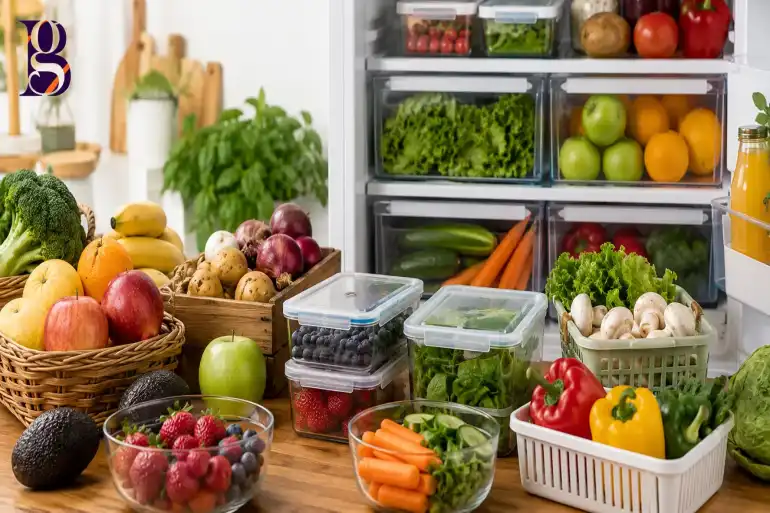
As a general rule, leafy vegetables, berries, carrots, broccoli, and many cut vegetables should be refrigerated. Potatoes, onions, and whole tomatoes are usually better stored outside the refrigerator.
However, storage needs can vary depending on how ripe the produce is and how quickly you plan to use it.
1. Apples
Apples can last considerably longer when stored in the refrigerator. Keep them in the crisper drawer or another cool area of the fridge.
It's also a good idea to keep apples away from produce that is sensitive to ethylene gas because apples release this natural ripening gas.
If you're planning to eat the apples within a day or two, keeping them in a fruit bowl at room temperature is also fine.
2. Bananas
Keep unripe bananas at room temperature until they reach the level of ripeness you prefer.
Once bananas become ripe, you can move them to the refrigerator to slow further ripening. The peel may turn darker in the fridge, but the fruit inside can remain usable for longer.
If you have bananas that are becoming too ripe, slice them and freeze them for smoothies or homemade desserts.
3. Berries
Strawberries, blueberries, raspberries, and blackberries are delicate and can spoil quickly when exposed to excess moisture.
Store them in the refrigerator and avoid washing them until you're ready to eat them. Excess water can encourage mold growth.
Before storing, remove any berries that are already moldy or damaged so they don't affect the others.
4. Oranges, Lemons and Other Citrus Fruits
Whole oranges, lemons, and other citrus fruits can be kept at room temperature if you plan to use them within a few days.
For longer storage, place them in the refrigerator. Keep them in a breathable bag or container rather than sealing them in a way that traps excess moisture.
Try to keep citrus fruits dry and check them occasionally for soft or damaged spots.
5. Tomatoes
Whole tomatoes generally taste better when stored at room temperature away from direct sunlight.
Refrigeration can affect their texture and flavor. Once tomatoes are fully ripe, use them soon or refrigerate them if you need to extend their usable life.
Keep them stem-side up if possible and avoid stacking heavy produce on top of them.
6. Leafy Greens
Leafy greens such as spinach, lettuce, coriander, and other fresh greens are particularly sensitive to excess moisture.
Remove damaged leaves and gently dry the greens if they are wet. Wrap them loosely in a clean paper towel and place them inside a breathable bag or container in the refrigerator.
Avoid crushing the leaves because bruised greens tend to spoil faster.
7. Carrots
Carrots can stay fresh for a long time when stored properly in the refrigerator.
If the carrots have leafy tops attached, remove the tops before storage. The leaves can draw moisture from the carrots and make them soften more quickly.
Store the carrots in the crisper drawer or a suitable container or bag that prevents excessive moisture loss without trapping too much water.
8. Potatoes
Potatoes generally do best in a cool, dry, dark, and well-ventilated place. A pantry or kitchen cabinet away from sunlight can work well.
Avoid storing potatoes in sealed plastic bags because trapped moisture can encourage spoilage.
It's also better to keep potatoes away from onions, as storing them together can make both spoil more quickly.
9. Onions
Whole onions should usually be stored in a cool, dry, and well-ventilated location.
Don't keep them in sealed containers where moisture can build up. A mesh bag or another breathable storage option works better.
Once an onion has been cut, place the unused portion in a sealed container and refrigerate it.
10. Cucumbers
Cucumbers can become soft or develop cold damage if stored for too long in very cold conditions.
If you're planning to use them soon, keep them in a cool area away from direct sunlight. If your kitchen is warm, refrigeration can help extend their freshness.
Keep cucumbers dry and avoid storing them next to fruits that produce a lot of ethylene gas.
11. Broccoli
Broccoli stays fresher when refrigerated. Keep it in the vegetable drawer and avoid washing it until you're ready to cook it.
Excess moisture trapped around broccoli can speed up deterioration, so use a breathable bag or container rather than sealing wet broccoli tightly.
Try to use broccoli within a few days for the best texture and flavor.
12. Avocados
Unripe avocados should generally be left at room temperature until they soften.
Once an avocado is ripe, refrigeration can slow further ripening and give you more time to use it.
If you have half an avocado left, cover the exposed surface and refrigerate it. Using it as soon as possible will help maintain its quality.
13. Fresh Herbs
Fresh herbs such as coriander, parsley, and mint can lose their freshness quickly if stored incorrectly.
Remove damaged leaves and keep the herbs relatively dry. Some soft herbs can be stored upright with their stems in a small amount of water, similar to flowers, while others are better wrapped loosely and refrigerated.
Don't pack herbs too tightly because good air circulation can help prevent them from becoming slimy.
Keep Certain Fruits and Vegetables Apart
One of the easiest storage mistakes is putting everything together in the same fruit bowl or refrigerator drawer.
Some fruits produce ethylene, a natural gas that speeds up ripening. Apples, bananas, pears, and avocados are examples of fruits that can release ethylene.
Keeping ethylene-sensitive vegetables away from high-ethylene fruits can help slow unwanted ripening and spoilage.
You don't need a complicated system. Simply keeping certain fruits separate from delicate vegetables can make a noticeable difference.
Should You Wash Fruits and Vegetables Before Storage?
It may seem convenient to wash everything as soon as you get home, but storing wet produce can sometimes encourage mold and spoilage.
For many fruits and vegetables, it's better to wash them shortly before eating or cooking. If you do wash produce before storage, make sure it is thoroughly dried first.
Always wash fresh produce appropriately before eating, even if you plan to peel it.
Keeping fresh produce clean is also part of good kitchen hygiene. For more everyday health habits, read these simple lifestyle changes.
Common Fruit and Vegetable Storage Mistakes
A few simple mistakes can make fresh produce spoil much faster.
- Storing wet vegetables in sealed containers.
- Keeping potatoes and onions together.
- Leaving berries unprotected in a warm kitchen.
- Washing delicate produce too early.
- Keeping all fruits and vegetables in one container.
- Leaving damaged produce mixed with fresh produce.
- Overfilling the refrigerator drawers.
- Forgetting about older produce at the back of the fridge.
Checking your refrigerator and fruit basket every few days can help you use older produce before buying more.
Simple Ways to Reduce Food Waste
Good storage is only one part of reducing food waste. Planning your meals and buying realistic quantities can also help.
- Buy only what you can reasonably eat.
- Use older fruits and vegetables first.
- Freeze produce that you won't use soon.
- Turn ripe fruits into smoothies.
- Use extra vegetables in soups, curries, or stir-fries.
- Keep a simple list of what is already in your refrigerator.
- Store leftovers in clearly labeled containers.
For example, slightly soft vegetables can often still work well in a homemade dinner. If you're looking for simple meal ideas, try these easy Indian dinner recipes.
Adding more fresh produce to your meals is also an easy way to improve your overall diet. You can explore these high-fiber foods for better digestion for more ideas.
Final Thoughts
Knowing how to store fruits and vegetables properly can help you keep your groceries fresh for longer and reduce unnecessary food waste.
The most important thing to remember is that there is no single storage method that works for every type of produce. Some foods prefer the refrigerator, while others do better at room temperature. Moisture, airflow, ripeness, and ethylene exposure also matter.
Start with a few simple habits: keep delicate produce dry, separate certain fruits from vegetables, store potatoes and onions in a cool dry place, refrigerate leafy greens and berries, and use older produce first.
With a little planning, you can enjoy fresher fruits and vegetables, waste less food, and make healthy home cooking much easier.