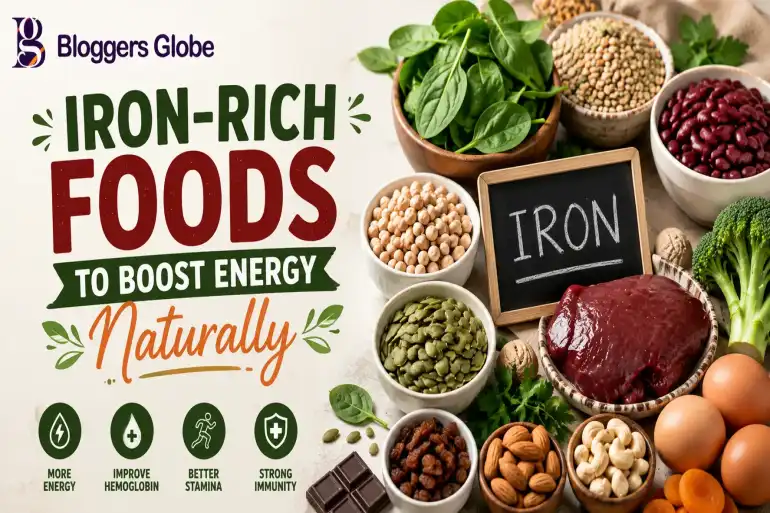
Iron-Rich Foods to Boost Energy Naturally: 12 Healthy Foods to Fight Fatigue
Do you often feel tired even after getting enough sleep? Do you struggle with low energy during the day? One possible reason could be a lack of iron in your diet.
Iron is an essential mineral that helps your body produce hemoglobin, a protein in red blood cells that carries oxygen throughout your body. When your body doesn't get enough iron, you may feel weak, tired, or short of breath.
The good news is that adding more iron-rich foods to your daily meals can support your nutritional needs and overall health. In this article, we'll look at some of the best iron-rich foods and simple tips to help your body absorb iron more effectively.
Table of Contents
Why Iron Is Important
Iron helps your body produce healthy red blood cells that carry oxygen to your organs and muscles. Without enough iron, your body may have difficulty delivering enough oxygen, which can contribute to tiredness and low energy.
Getting enough iron through a balanced diet can help support:
- Normal energy production
- Healthy red blood cells
- Normal oxygen transport
- Concentration and focus
- Normal muscle function
- Overall nutritional health
A balanced diet that includes a variety of nutrient-rich foods is one of the simplest ways to support your body's nutritional needs. You can also explore healthy traditional Indian foods that can fit into a balanced everyday diet.
Common Signs of Low Iron
Low iron levels can develop gradually, so some people may not immediately realize that their diet is not providing enough iron.
Possible signs associated with iron deficiency include:
- Feeling tired or weak
- Pale skin
- Shortness of breath
- Frequent headaches
- Dizziness
- Cold hands and feet
- Difficulty concentrating
- Low energy during everyday activities
These symptoms can have many different causes. If they continue or become severe, it is best to speak with a healthcare professional and get appropriate testing rather than relying on food alone.
12 Iron-Rich Foods to Add to Your Diet
There are many ways to add iron to your meals. Plant-based foods provide non-heme iron, while meat and seafood can provide heme iron, which is generally absorbed more efficiently by the body.
1. Spinach
Spinach is a popular leafy green vegetable that provides iron along with vitamin C, vitamin A, folate, and other nutrients.
Easy ways to eat spinach:
- Add it to salads
- Make spinach curry
- Add it to soups
- Use it in dal or other Indian dishes
Adding a variety of vegetables to your meals can make your overall diet more nutritious without making your meals complicated.
2. Lentils
Lentils are an excellent source of plant-based iron and protein. They are affordable, easy to cook, and already a regular part of many Indian diets.
Why choose lentils?
- Provide plant-based iron
- Contain protein
- Are a good source of fiber
- Can help make meals filling
Dal is one of the easiest ways to include lentils in your daily meals. If you're looking to build more balanced meals, you can also explore high-protein Indian breakfast ideas for additional options.
3. Chickpeas
Chickpeas, also known as chana, provide iron, protein, and fiber and can be used in many different meals.
You can enjoy chickpeas as:
- Chana masala
- Salads
- Roasted snacks
- Hummus
They are especially useful for people who want more plant-based protein and iron in their regular diet.
4. Lean Red Meat
Lean red meat contains heme iron, a form of iron that the body generally absorbs more easily than non-heme iron from plant foods.
It also provides nutrients such as:
- High-quality protein
- Vitamin B12
- Zinc
Choose lean cuts and include them in moderation as part of a balanced diet.
5. Eggs
Eggs are a simple and nutritious food that provides protein as well as some iron and other essential nutrients.
They can be included in breakfast, lunch, or dinner and can be prepared in many different ways.
If you're interested in nutritious morning meals, combining eggs with vegetables, whole grains, or other protein-rich foods can make breakfast more balanced.
6. Pumpkin Seeds
Pumpkin seeds are a convenient source of iron, magnesium, protein, and healthy fats.
You can sprinkle them over yogurt, oatmeal, salads, or homemade snacks for an easy nutritional boost.
A small portion can also work as a convenient snack between meals.
7. Tofu
Tofu is a useful vegetarian source of iron and protein. It is also versatile and can absorb the flavours of different spices, sauces, and vegetables.
You can add tofu to:
- Stir-fries
- Curries
- Salads
- Wraps
It can be a good option for people who want to include more plant-based foods in their diet.
8. Kidney Beans
Kidney beans, commonly known as rajma, are another plant-based source of iron. They also provide protein, fiber, potassium, and folate.
Rajma can be used in curries, salads, or other meals. Pairing it with vegetables and whole grains can help create a filling and varied meal.
9. Broccoli
Broccoli contains iron as well as vitamin C and other nutrients. Vitamin C is particularly useful because it can help improve the absorption of non-heme iron from plant foods.
Try adding lightly steamed broccoli to meals, salads, stir-fries, or soups.
Eating a variety of vegetables is also a simple way to make your diet more nutrient-dense.
10. Seafood
Some seafood, including clams, oysters, sardines, and tuna, can provide iron along with other important nutrients.
Seafood can also provide protein and, depending on the type, omega-3 fatty acids.
Include seafood as part of a varied diet if it fits your food preferences and dietary needs.
11. Raisins and Dried Apricots
Raisins and dried apricots can provide iron and are easy to keep as a snack.
You can add a small amount to oatmeal, yogurt, breakfast bowls, or homemade trail mixes.
Because dried fruits are concentrated sources of natural sugar and calories, portion size is still important.
12. Dark Chocolate
Dark chocolate with a high cocoa content contains iron, magnesium, and antioxidants.
If you enjoy chocolate, choosing dark chocolate with a higher percentage of cocoa can be an option. However, it should still be enjoyed in moderation as part of an overall balanced diet.
Tips to Improve Iron Absorption
Choosing iron-rich foods is only part of the picture. The way you combine foods can also affect how much iron your body absorbs.
Here are some simple tips:
- Pair plant-based iron sources with vitamin C-rich foods such as oranges, lemons, strawberries, tomatoes, or bell peppers.
- Avoid drinking tea or coffee immediately with iron-rich meals because compounds in these beverages can reduce the absorption of non-heme iron.
- Include a variety of plant and animal sources of iron if they fit your diet.
- Eat a balanced diet that includes vegetables, fruits, protein, whole grains, and other nutrient-rich foods.
- Cooking with cast iron cookware may increase the iron content of some foods, although the amount can vary.
For example, adding tomatoes, lemon, or other vitamin C-rich ingredients to a meal containing lentils or beans can be a simple way to support iron absorption.
For more ideas on improving everyday nutrition, you can also explore simple lifestyle changes for a healthier life.
Final Thoughts
Iron is an essential nutrient that supports red blood cell production and oxygen transport in the body. Adding a variety of iron-rich foods to your regular meals can help you build a more balanced and nutritious diet.
Foods such as spinach, lentils, chickpeas, eggs, pumpkin seeds, rajma, tofu, seafood, broccoli, and lean meat can all be included in different ways depending on your dietary preferences.
Remember that persistent tiredness or other symptoms should not automatically be blamed on low iron. If you are concerned about iron deficiency, a healthcare professional can help determine the cause and whether testing or treatment is needed.
Small, consistent food choices can go a long way toward supporting a healthy lifestyle. Focus on variety, balanced meals, and sustainable habits rather than relying on a single food to solve an energy problem.