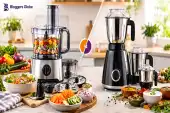
Essential Kitchen Tips Every Home Cook Should Know: 25 Smart Cooking Tips for Beginners
Good cooking is not only about following recipes. Knowing a few practical kitchen tips can make everyday cooking faster, easier, cleaner, and much less stressful.
Whether you are a beginner learning to cook or an experienced home cook looking for better kitchen habits, small changes can make a noticeable difference. From preparing ingredients before you start to storing food correctly, these simple tips can help you feel more confident in the kitchen.
Here are some of the most useful essential kitchen tips every home cook should know.
1. Read the Entire Recipe Before Cooking
One of the simplest cooking tips for beginners is also one of the most useful: read the entire recipe before turning on the stove.
Check the ingredients, quantities, cooking time, temperature, and preparation instructions first. Some recipes require ingredients to be marinated, soaked, softened, preheated, or prepared ahead of time.
Reading everything first prevents last-minute surprises and helps you understand the order in which the food needs to be prepared.
2. Prepare Your Ingredients Before You Start
Professional kitchens often prepare ingredients before cooking begins, and home cooks can benefit from the same habit.
Wash and chop vegetables, measure spices, prepare sauces, and keep everything you need within reach before you start cooking.
This simple approach makes cooking more organized and reduces the chance of forgetting an ingredient while something is already cooking on the stove.
A food processor can also make repetitive preparation easier when you regularly chop, slice, shred, or grate ingredients. If you are considering one, our food processor buying and comparison guide explains when a food processor makes sense compared with a mixer grinder.
3. Learn Basic Knife Skills
You do not need professional chef skills to use a kitchen knife effectively. But learning a few basic techniques can make food preparation safer and more efficient.
Keep your cutting board stable and use a sharp knife rather than forcing a dull blade through food. Learn how to hold ingredients securely and keep your fingers away from the cutting edge.
Try to cut ingredients into reasonably similar sizes when they are going into the same dish. This can help them cook more evenly.
4. Keep Your Knives Sharp
A sharp knife may sound more dangerous, but a properly maintained knife generally gives you better control than a dull one.
Dull knives can require more pressure, making ingredients slip unexpectedly. Regularly maintaining your knives and using the right cutting technique can make everyday preparation easier.
Store knives safely rather than leaving them loose inside a crowded drawer.
5. Learn to Control Cooking Temperature
Many cooking problems come from using the wrong heat rather than from using the wrong ingredients.
High heat can be useful when quickly searing or boiling, while medium or low heat is often better for simmering, sautéing, or slowly cooking ingredients.
If food is browning too quickly on the outside while remaining uncooked inside, the heat may be too high. If nothing seems to be happening, the heat may be too low.
Instead of automatically keeping the flame high, learn to adjust it according to the food and cooking stage.
6. Preheat When the Recipe Requires It
Preheating a pan or oven can make a significant difference in some recipes.
For example, placing food into a properly heated pan can help with browning and searing. Similarly, baking recipes often depend on the oven reaching the correct temperature before the food goes inside.
Always follow the recipe's instructions instead of assuming that every dish should start with a cold pan or oven.
7. Taste Your Food While Cooking
Do not wait until the food reaches the dining table to discover that it needs more seasoning.
When appropriate and safe, taste your food during cooking and adjust salt, spices, acidity, or other seasonings gradually.
Remember that flavors can change as ingredients cook and moisture evaporates. Adding a little seasoning at a time gives you more control than adding a large amount at once.
8. Add Salt Carefully
Salt can improve the flavor of almost any savory dish, but adding too much at once can be difficult to correct.
Start with a modest amount and adjust gradually. Also remember that ingredients such as sauces, cheese, pickles, stock, and packaged seasonings may already contain salt.
The goal is not simply to make food salty. Good seasoning should help the natural flavors of the ingredients stand out.
9. Store Fruits and Vegetables Correctly
Good kitchen habits continue even after cooking is finished. Proper food storage can help reduce unnecessary waste and keep ingredients in better condition.
Different fruits and vegetables have different storage needs. Some are better refrigerated, while others can be kept at room temperature for a period of time.
Before filling your refrigerator with everything, learn how to store fruits and vegetables so your fresh ingredients stay useful for longer.
10. Clean as You Cook
A messy kitchen can make cooking feel much more difficult than it actually is.
Instead of leaving every bowl, spoon, cutting board, and container until the end, clean items that you no longer need while the food is cooking.
Keep a small waste bowl nearby for vegetable peels and scraps. Wipe spills quickly and return ingredients to their proper place.
By the time your meal is ready, much of the cleaning work will already be finished.
11. Make Food Safety a Daily Habit
Basic food safety should always be part of home cooking.
-
Wash your hands before handling food.
-
Keep raw and ready-to-eat foods separate.
-
Use clean cutting boards and utensils.
-
Refrigerate foods that require refrigeration.
-
Do not leave perishable food at unsafe temperatures for extended periods.
-
Cook foods properly and follow safe handling instructions.
These habits are especially important when preparing meals for children, older adults, or anyone with specific dietary or health needs.
12. Plan Your Meals Before Shopping
Meal planning can make both cooking and grocery shopping easier.
Before going shopping, think about what you are likely to cook during the next few days. Check your refrigerator, freezer, and pantry first so you do not unnecessarily buy ingredients you already have.
Planning also makes it easier to use ingredients before they spoil.
For simple homemade meal ideas, you can start with these easy Indian dinner recipes for beginners and build your weekly menu around dishes you already enjoy.
13. Keep a Well-Organized Pantry
A well-organized pantry saves time because you can quickly see what you have available.
Group similar ingredients together. Keep grains with grains, spices with spices, baking ingredients together, and frequently used items somewhere easy to reach.
Try using older ingredients before opening newer packages of the same food. This simple habit can reduce food waste.
14. Organize Spices for Easy Access
Spices are used frequently in many home kitchens, so keeping them organized can make cooking much faster.
Arrange frequently used spices where you can reach them easily. Check packaging regularly and avoid keeping containers so tightly packed that you cannot identify what you need.
For Indian cooking in particular, having basic spices organized before you begin can make recipes much easier to follow.
15. Measure When Precision Matters
Experienced cooks sometimes rely on instinct, but measurements are particularly useful when you are learning a recipe or baking.
Use measuring cups and spoons when the proportions matter. Baking especially depends on the balance between ingredients, so guessing quantities can produce inconsistent results.
Once you understand a recipe, you can gradually adjust ingredients according to your preferences.
16. Do Not Treat Baking Like Regular Cooking
Baking usually requires more precision than everyday stovetop cooking.
Changing the quantity of flour, liquid, sugar, fat, or raising agents can affect the final texture. Follow the recipe carefully the first time before experimenting with substitutions.
After you understand how the recipe works, you can start making controlled changes.
17. Use the Right Tool for the Job
You do not need every kitchen gadget available, but the right tool can make repetitive jobs much easier.
A good knife is essential. Measuring spoons, a sturdy cutting board, a reliable pan, storage containers, and basic cooking utensils can cover a surprisingly large number of everyday tasks.
For more demanding preparation, appliances such as food processors can help with chopping, slicing, shredding, and other repetitive work.
The key is to choose tools based on your cooking habits rather than buying gadgets simply because they look useful.
18. Avoid Overcrowding the Pan
Putting too much food into a pan at once can affect how ingredients cook.
When a pan is overcrowded, ingredients may release moisture and steam rather than developing the browning you expect.
If necessary, cook in batches. It may take a little longer, but the result can be more consistent.
19. Prepare Frequently Used Ingredients in Advance
If you cook regularly, preparing some ingredients ahead of time can save valuable minutes on busy days.
Depending on the ingredient and safe storage requirements, you might wash vegetables, portion ingredients, prepare certain sauces, or organize commonly used spices before cooking.
The idea is not to prepare everything days in advance. Instead, make your future cooking sessions easier by removing unnecessary repetitive tasks.
20. Focus on the Ingredients, Not Just the Recipe
A good home cook learns to understand ingredients instead of simply following instructions mechanically.
Fresh vegetables, whole grains, lentils, beans, nuts, seeds, dairy products, eggs, and other nutritious foods can all become part of balanced homemade meals.
If you are looking for simple ways to add more fiber to everyday meals, explore these high-fiber foods for better digestion.
You can also explore traditional Indian foods that are actually healthy for ideas based on familiar ingredients.
21. Learn to Control Portions
Cooking at home gives you more control over how much food goes onto your plate.
Rather than automatically preparing large quantities, consider how many people you are serving and whether you need leftovers.
Portion awareness can also help you make better use of ingredients and reduce unnecessary food waste.
22. Give Leftovers a Second Life
Leftovers do not always have to be served in exactly the same way the next day.
Cooked vegetables can become part of a wrap or sandwich. Extra rice can be used in another meal, while leftover cooked ingredients can sometimes be incorporated into soups, salads, or other suitable dishes.
Always store leftovers safely and use them within an appropriate period.
23. Keep Simple Ingredients Ready for Quick Meals
Busy schedules often lead people toward packaged snacks and takeout because there is nothing convenient at home.
Keeping simple ingredients available can make homemade food easier. Fruits, vegetables, yogurt, nuts, seeds, eggs, lentils, and other practical staples can give you more options between meals.
For quick inspiration, check out these low-carb, high-protein snack ideas for simple options you can adapt to your routine.
24. Keep Hydration in Mind While Planning Meals
Drinks are also part of your everyday kitchen routine.
Water should remain a simple everyday choice, while homemade drinks can add variety when the weather is hot.
If you want refreshing ideas, these summer drinks for staying hydrated can provide inspiration for homemade beverages.
25. Leave Room for Food You Enjoy
Home cooking does not mean every meal has to be extremely strict or complicated.
Enjoying a homemade dessert occasionally can be part of a balanced approach to food. The important thing is to understand portions and overall eating habits rather than treating one food as completely good or bad.
When you want to make something sweet at home, try these easy dessert recipes for sweet cravings for homemade inspiration.
Simple Kitchen Organization Tips
A clean and organized kitchen can make everyday cooking considerably easier.
-
Keep frequently used utensils within easy reach.
-
Store ingredients in clearly identifiable containers.
-
Keep your work surface as clear as possible.
-
Clean appliances after using them.
-
Check pantry items regularly.
-
Remove expired or spoiled ingredients.
-
Keep knives and sharp tools stored safely.
-
Organize refrigerator shelves so older foods are easy to see.
Common Cooking Mistakes to Avoid
Even experienced home cooks make mistakes, but several common problems can easily be avoided.
-
Starting to cook without reading the recipe.
-
Adding too much salt at once.
-
Using unnecessarily high heat.
-
Overcrowding pans.
-
Ignoring preparation time.
-
Using the wrong kitchen tool for a task.
-
Not tasting food before serving.
-
Leaving cooked food stored improperly.
-
Trying to change too many things in a recipe at once.
Everyday Kitchen Checklist
Before you start cooking, ask yourself:
-
Have I read the entire recipe?
-
Do I have all the ingredients?
-
Are the ingredients prepared?
-
Is my cooking area clean?
-
Do I have the right pan and utensils?
-
Is the cooking temperature appropriate?
-
Have I planned what needs to be cooked first?
These simple questions can prevent many avoidable cooking problems.
Final Thoughts
Becoming a better home cook does not require expensive equipment or complicated techniques. In many cases, the biggest improvements come from simple habits such as preparing ingredients before cooking, controlling heat, tasting your food, keeping your kitchen organized, and storing ingredients properly.
The more often you cook, the more naturally these habits become part of your routine. Start with two or three tips from this guide and gradually add others as you become more comfortable in the kitchen.
Good home cooking is ultimately about making the process easier while preparing food that you and your family enjoy.
Frequently Asked Questions
What are the most important kitchen tips for beginners?
Start by reading recipes completely, preparing ingredients before cooking, learning basic knife skills, controlling heat, tasting food while cooking, and keeping your kitchen clean and organized.
How can I make home cooking easier?
Plan meals, prepare ingredients before starting, keep frequently used ingredients available, use appropriate kitchen tools, and clean as you cook. These habits can reduce stress and make everyday cooking more efficient.
What basic kitchen tools should every home cook have?
A good chef's knife, cutting board, measuring cups and spoons, cooking pans, spatulas, mixing bowls, storage containers, and basic kitchen utensils are useful starting points. Add appliances based on the type of food you regularly prepare.
Why is proper food storage important?
Proper storage helps maintain food quality, reduces unnecessary waste, and supports safer handling of perishable ingredients. Different foods may require different storage conditions, so follow appropriate storage guidance for each ingredient.
What is the most common mistake beginners make while cooking?
One common mistake is starting to cook without preparing the ingredients or reading the entire recipe first. Taking a few minutes to organize everything before cooking can make the process much smoother.