
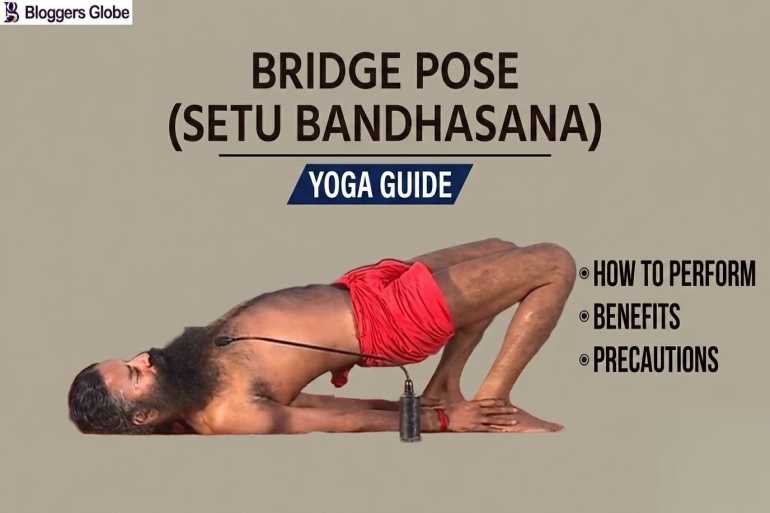
Setubandhasana | Steps And Benefits of Bridge Pose
Setubandhasana, also known as Bridge Pose, is a popular yoga posture that combines a gentle backbend with strength and stretching. The pose is commonly practiced to strengthen the back and legs, open the chest, and improve flexibility around the hips and spine.
Setu means “bridge” in Sanskrit, Bandha means “lock” or “bind,” and Asana means “pose” or “posture.” The name describes the bridge-like shape created by the body during the practice. If you are looking for yoga poses that can support a regular fitness routine, Setubandhasana can be included along with other beginner-friendly asanas.
Yoga can be especially useful for people who spend long hours sitting or working at a desk. However, every yoga posture should be practiced gradually and with proper form. If you have an existing injury or medical condition, take professional advice before beginning a new yoga routine.
Table of Content
| 1 | What is Setubandhasana |
| 2 | Preparation of Setubandhasana |
| 3 | How to do Setubandhasana |
| 4 | Health Benefits of Setubandhasana |
| 5 | Precautions of Setubandhasana |
| 6 | Practice Tips |
| 7 | Live Video |
What is Setubandhasana?
Setubandhasana is a yoga posture in which the body is lifted from the floor while the feet, shoulders, and arms provide support. Because the raised torso resembles a bridge, the pose is commonly called Bridge Pose.
The posture involves the back, hips, thighs, abdomen, and shoulders. It is often included in yoga routines designed to improve mobility and strengthen the muscles supporting the spine. Beginners can start with a comfortable lift rather than trying to raise the body as high as possible.
Setubandhasana can also be combined with other poses. For example, people interested in yoga for abdominal fitness can explore this yoga routine for reducing belly fat, which includes several traditional asanas.
Preparation of Setubandhasana
Before performing Bridge Pose, take a few minutes to prepare your body. A gentle warm-up can make the movement more comfortable and help you focus on controlled breathing.
- Choose a flat and comfortable surface and place a yoga mat on the floor.
- Practice on an empty or relatively light stomach rather than immediately after a heavy meal.
- Lie comfortably on your back and relax your shoulders.
- Keep your breathing slow and natural throughout the practice.
- If your hips or lower back feel particularly stiff, begin with gentle movements before attempting the full pose.
If you are building a broader yoga routine, you can also learn the correct technique for Pawanmuktasana and its benefits, another pose commonly included in beginner yoga sequences.
How to do Setubandhasana
Follow these steps to practice the Bridge Pose safely:
- Lie flat on your back on a yoga mat with your knees bent.
- Keep your feet approximately hip-width apart and place them firmly on the floor.
- Position your arms alongside your body with your palms facing downward.
- Keep your neck relaxed and look upward rather than turning your head from side to side.
- Take a slow breath in and gradually lift your hips and lower back away from the floor.
- Continue lifting the middle and upper back only as far as feels comfortable.
- Keep your knees pointing forward instead of allowing them to fall outward.
- Keep your shoulders and feet grounded while maintaining a steady breathing pattern.
- Hold the pose for several comfortable breaths without forcing the backbend.
- Slowly lower your back and hips to the floor while exhaling.
- Relax for a few moments before repeating the movement.
Beginners do not need to lift their hips very high. Good alignment and controlled breathing are more important than trying to achieve a deeper pose.
Health Benefits of Setubandhasana
Regular and correctly performed Bridge Pose may provide several physical and relaxation-related benefits. The results can vary from person to person, so the pose should be considered part of an overall healthy lifestyle rather than a treatment for a medical condition.
- Strengthens the back: The movement engages several muscles around the back and hips and can help build strength when practiced consistently.
- Works the legs and glutes: The thighs and gluteal muscles help support the body as the hips are lifted.
- Opens the chest: The posture gently lifts and expands the chest, which can feel beneficial after long periods of sitting.
- Improves flexibility: Regular practice can gently stretch the front of the hips, thighs, chest, and shoulders.
- Supports better posture: Strengthening the back and hip muscles while becoming more aware of body alignment may support healthier movement patterns.
- May help relieve stiffness: Gentle movement through the spine and hips can be useful for people who experience stiffness from prolonged sitting, provided the pose is comfortable.
- Promotes relaxation: Combining the pose with slow, controlled breathing can make it a useful part of a calming yoga routine.
If your main goal is improving overall flexibility and mobility, you can also explore Uttanpadasana steps and benefits as another complementary yoga practice.
Setubandhasana for Weight Loss and Belly Fat
Setubandhasana is sometimes included in yoga routines focused on weight management and abdominal fitness. However, it is important not to consider one yoga pose a direct solution for belly fat.
Bridge Pose engages the abdomen, hips, thighs, and back, making it useful as part of a broader exercise routine. For a more varied approach, you can combine different poses with regular physical activity and a balanced diet.
Another popular abdominal-focused posture is Naukasana or Boat Pose, which focuses more directly on the abdominal and core muscles.
Practice Tips for Beginners
Getting the basic alignment right can make Setubandhasana more comfortable and effective. Keep the following points in mind:
- Do not force your hips higher than your comfortable range of motion.
- Keep your feet firmly planted on the floor.
- Avoid allowing your knees to move too far apart.
- Do not put unnecessary pressure on your neck.
- Keep breathing instead of holding your breath.
- Move slowly when entering and leaving the posture.
- Start with a short hold and gradually increase the duration as your comfort improves.
People who spend long hours sitting may also benefit from adding other gentle movements to their routine. For example, these yoga poses for back pain relief can be explored as part of a broader flexibility routine.
Precautions of Setubandhasana
Although Setubandhasana is commonly practiced, it may not be suitable for everyone. Stop if you experience sharp pain, dizziness, numbness, or unusual discomfort.
- People with an existing neck, back, knee, or shoulder injury should seek professional advice before practicing the pose.
- Do not turn your head from side to side while your body is lifted.
- Avoid forcing the spine into a deeper backbend.
- People recovering from surgery should practice only after receiving appropriate medical guidance.
- Pregnant people should ask their healthcare professional or qualified prenatal yoga instructor whether this posture is appropriate.
- If the pose causes pain rather than a mild stretch or muscular effort, come out of the posture and rest.
Yoga should complement, not replace, appropriate medical care. Persistent or severe back, neck, or joint pain should be evaluated by a qualified healthcare professional.
Setubandhasana vs Other Yoga Poses
Different yoga poses target different areas of the body. Setubandhasana primarily combines a gentle backbend with work for the hips, legs, and back. Pawanmuktasana focuses more on movement around the abdomen and digestive system, while Naukasana places greater emphasis on the core.
This makes it possible to build a balanced routine instead of relying on one posture. If you want to compare yoga with other approaches to fitness and weight management, see our guide on yoga vs gym for weight loss and fitness.
How Long Should You Hold Setubandhasana?
Beginners can start by holding the pose for a few comfortable breaths rather than focusing on a specific maximum duration. As your strength and familiarity improve, you can gradually increase the holding time while maintaining proper alignment and relaxed breathing.
Quality is more important than duration. If your breathing becomes strained or you feel pain, gently lower your hips and rest.
Live Video
Final Thoughts
Setubandhasana is a simple but effective yoga posture that can be incorporated into a regular fitness and flexibility routine. It works several muscle groups while providing a gentle stretch through the front of the body. Beginners should focus on controlled movement, steady breathing, and comfortable alignment instead of trying to achieve a deep backbend.
For better results from any yoga routine, consistency matters. Combine Setubandhasana with other suitable yoga poses, regular physical activity, adequate rest, and a balanced diet to support your overall health and fitness goals.


