Best Christmas Cake Recipe: Traditional Rich Fruit Cake for the Holidays
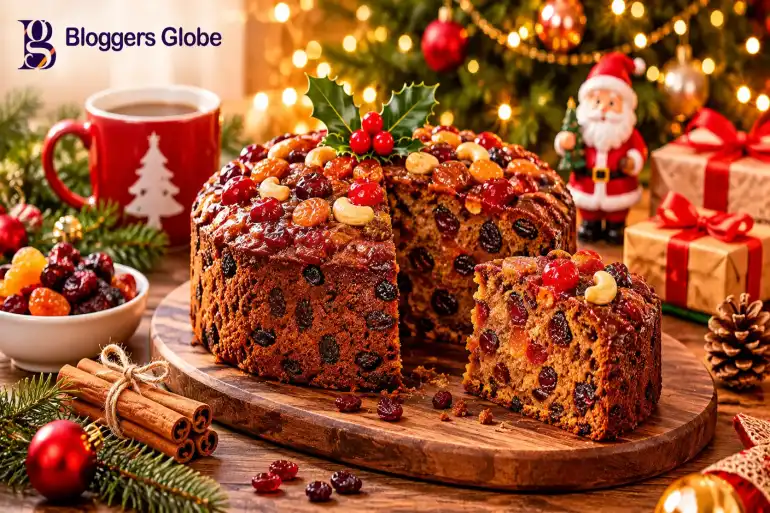
Christmas feels incomplete without the aroma of a freshly baked fruit cake. With its rich colour, soft texture, sweet dried fruits, crunchy nuts and warm spices, a traditional Christmas cake is one of the most loved festive treats around the world. Whether you are preparing a family celebration or looking for a homemade holiday dessert, this classic recipe is worth adding to your Christmas menu.
The best part is that you do not need to be an expert baker to make it. With a little preparation, good-quality dried fruits and the right baking temperature, you can prepare a delicious Christmas fruit cake at home. You can also choose between an alcohol-soaked version and a completely alcohol-free recipe.
Here is an easy traditional Christmas cake recipe with step-by-step instructions, ingredient measurements, baking tips and storage advice.
Table of Contents
- What Is a Traditional Christmas Fruit Cake?
- Ingredients for Christmas Cake
- How to Prepare the Fruits
- How to Make Christmas Fruit Cake Step by Step
- Tips for a Soft and Moist Christmas Cake
- Christmas Cake Variations to Try
- How to Store Christmas Cake
- Frequently Asked Questions
What Is a Traditional Christmas Fruit Cake?
A traditional Christmas fruit cake is a rich baked dessert made with dried fruits, nuts, flour, butter, sugar, eggs and aromatic spices. Depending on the family recipe and regional tradition, the fruits may be soaked in rum or brandy before baking. Alcohol-free versions commonly use orange juice or apple juice.
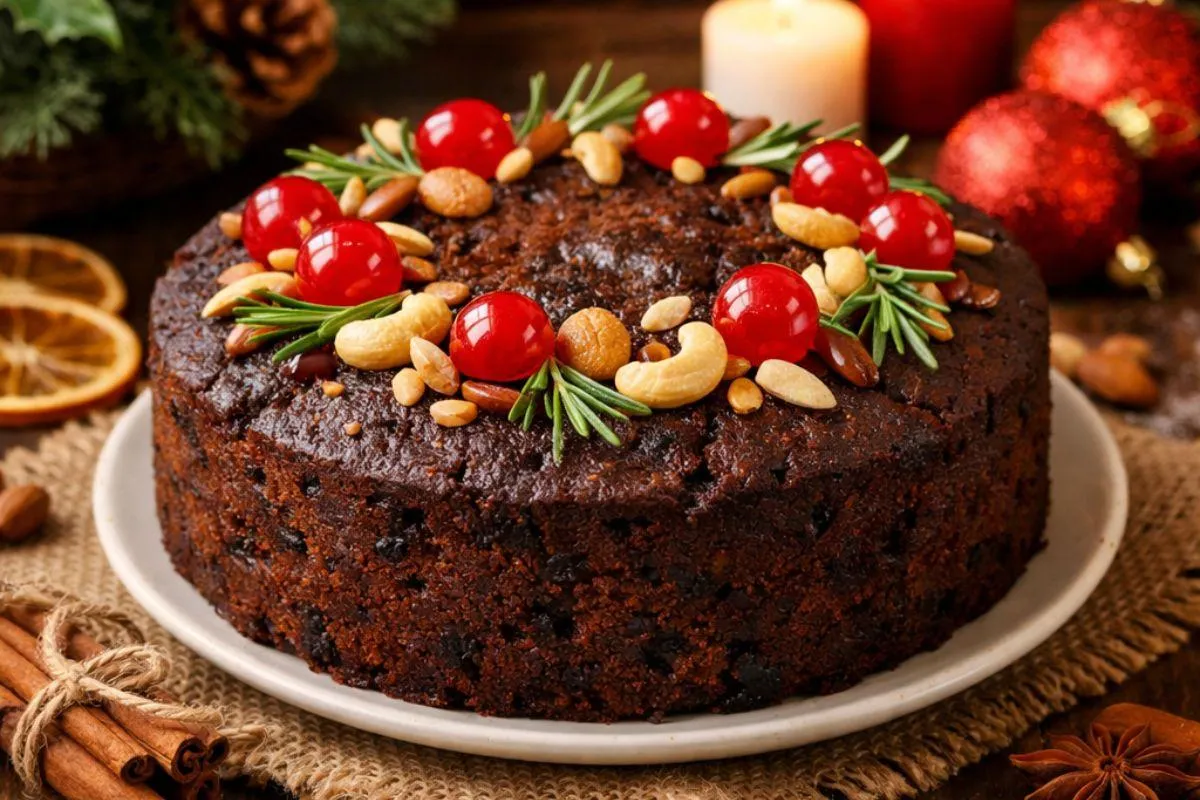
The cake is usually darker and denser than a regular sponge cake because it contains a generous amount of dried fruit and warm spices. Ingredients such as cinnamon, nutmeg, cloves and orange zest give it a distinctive festive flavour.
In India, Christmas fruit cake is especially popular in bakeries and homes during December. Many families prepare their own versions with raisins, dates, cashews, almonds, tutti frutti and candied orange peel.
Ingredients for Christmas Cake
This recipe makes one medium cake using an approximately 8-inch round cake tin. You can also use a suitable loaf tin, adjusting the baking time according to its size and depth.
For soaking the fruits
- 100 g raisins
- 50 g chopped dates
- 50 g chopped dried figs or apricots
- 50 g mixed candied peel or tutti frutti
- 50 g chopped dried cranberries or cherries
- 120 ml orange juice for the alcohol-free version, or approximately 100 ml rum or brandy for the traditional alcohol-based version
For the cake batter
- 200 g all-purpose flour (maida)
- 180 g unsalted butter, softened
- 150 g brown sugar
- 3 large eggs, at room temperature
- 75 g chopped cashews, almonds or walnuts
- 1 teaspoon baking powder
- 1 teaspoon ground cinnamon
- ¼ teaspoon ground nutmeg
- A small pinch of ground cloves
- 1 teaspoon vanilla extract
- 1 tablespoon orange zest
- 2 tablespoons molasses or honey (optional)
Note: If you prefer a completely alcohol-free cake, use orange juice for soaking. For a stronger citrus flavour, you can add a little lemon zest along with the orange zest.
How to Prepare the Fruits for Christmas Cake
Soaking the dried fruits helps them absorb flavour and become softer before baking. It is one of the most important preparation steps for a rich fruit cake.
Alcohol-free fruit soaking
- Chop the larger dried fruits into small, evenly sized pieces.
- Place the raisins, dates, figs, dried cranberries and candied peel in a clean bowl.
- Pour orange juice over the fruits and mix well.
- Cover the bowl and refrigerate for at least 8–12 hours, preferably overnight.
- Before baking, bring the fruit mixture out of the refrigerator and let it lose some of its chill.
Traditional alcohol-based fruit soaking
For a traditional version, place the chopped dried fruits in a clean glass jar and cover them with rum or brandy. Close the jar and store it in a cool, dark place for several days or longer, following a reliable food-storage method. Stir or shake the mixture occasionally and make sure the fruits remain covered with liquid.
For a shorter preparation time, you can soak the fruits overnight. Always use a clean, suitable container and discard fruit if you notice mould or an unusual smell.
How to Make Christmas Fruit Cake Step by Step
Step 1: Prepare the baking tin
Preheat your oven to 160°C. Grease an approximately 8-inch round cake tin with butter and line its base and sides with baking paper. Proper lining makes it easier to remove the cake after baking.
Step 2: Prepare the dry ingredients
In a bowl, sift together the all-purpose flour, baking powder, cinnamon, nutmeg and ground cloves. Set the mixture aside. This helps distribute the raising agent and spices evenly throughout the batter.
Step 3: Cream butter and sugar
In a large mixing bowl, beat the softened butter and brown sugar until the mixture looks creamy and lighter in texture. This step helps create a smooth cake batter.
Step 4: Add the eggs
Add the eggs one at a time, beating after each addition. Add the vanilla extract and orange zest. If the mixture looks slightly curdled, do not worry; adding the flour gradually should help bring the batter together.
Step 5: Combine the dry ingredients
Fold the flour and spice mixture into the wet ingredients in batches. Use a spatula and mix gently until just combined. Avoid overmixing, as this can make the cake dense or tough.
Step 6: Add soaked fruits and nuts
Drain any excess soaking liquid if necessary. Toss the soaked fruits with a little flour from the measured quantity to help distribute them through the batter. Add the fruits, chopped nuts and optional molasses or honey. Fold gently until everything is evenly mixed.
Step 7: Transfer the batter to the tin
Spoon the batter into the prepared cake tin and spread it evenly. Gently tap the tin on the counter to release large air pockets. Smooth the surface with a spatula.
Step 8: Bake the Christmas cake
Place the tin on the middle rack of the preheated oven and bake at 160°C for approximately 60–80 minutes. Baking time can vary depending on your oven, tin size and the moisture in the fruit mixture.
Start checking near the end of the estimated baking time. Insert a skewer into the centre of the cake. It should come out without wet batter attached. A few moist crumbs are normal. If the top becomes too dark before the centre is baked, loosely cover it with aluminium foil.
Step 9: Cool before serving
Remove the cake from the oven and let it rest in the tin for about 15–20 minutes. Transfer it carefully to a wire rack and allow it to cool completely before slicing. Cutting the cake while it is hot can make it crumble.
Your homemade traditional Christmas fruit cake is ready to enjoy. Serve it plain or decorate it with a light dusting of icing sugar, chopped nuts or a few candied fruits.
Tips for a Soft and Moist Christmas Cake
A good fruit cake should be rich and moist without becoming soggy or overly dense. Keep these practical tips in mind:
- Use good-quality dried fruits: Choose fresh, properly stored raisins, dates, figs and candied peel for better flavour.
- Chop fruits evenly: Smaller pieces distribute more evenly and make the cake easier to slice.
- Use room-temperature ingredients: Butter and eggs at a similar temperature help the batter combine smoothly.
- Measure ingredients accurately: Too much flour can make the cake dry, while excess liquid can affect its texture.
- Do not overmix: Fold the flour into the batter gently and stop once the ingredients are combined.
- Keep the oven temperature steady: Avoid opening the oven door repeatedly during the first part of baking.
- Allow enough cooling time: Let the cake cool completely before wrapping or storing it.
- Use a suitable tin: A tin that is too small can cause the batter to overflow, while a very wide tin may produce a flatter cake.
For more useful preparation and baking advice, explore our guide to essential kitchen tips every home cook should know.
Christmas Cake Variations to Try
One of the best things about homemade Christmas cake is that you can adjust the ingredients to suit your family's preferences.
1. Alcohol-Free Christmas Cake
Use orange juice or apple juice to soak the dried fruits instead of rum or brandy. This version is suitable for families who prefer not to use alcohol. Keep juice-soaked fruit refrigerated during soaking and do not leave it at room temperature for extended periods.
2. Indian-Style Christmas Fruit Cake
For an Indian-inspired version, add cashews, almonds, raisins, dates, tutti frutti and candied orange peel. A little cardamom can also be used alongside cinnamon and nutmeg for a familiar festive flavour.
3. Nut-Rich Christmas Cake
If you enjoy a crunchy texture, increase the quantity of chopped almonds, walnuts and cashews slightly. Keep the total additions balanced so the cake batter can still hold the fruits and nuts together.
4. Orange Christmas Cake
Add extra orange zest and use orange juice for soaking the fruits. A small amount of fresh orange juice in the batter can also add flavour, but avoid adding too much liquid because it can change the cake's texture.
5. Eggless Christmas Fruit Cake
You can make an eggless version using a suitable egg replacement, such as plain yoghurt or a tested commercial egg replacer. However, replacing eggs changes the cake's structure and moisture, so use a recipe specifically developed for eggless fruit cake rather than simply removing the eggs from this recipe.
If you enjoy making homemade sweets, you can also explore these easy and delicious dessert recipes for more ideas to serve during the festive season.
How to Store Christmas Cake
Proper storage helps preserve the taste and texture of your homemade fruit cake. Always allow the cake to cool completely before wrapping it.
- Short-term storage: Keep the cooled cake in an airtight container in a cool place if it will be eaten soon and your room conditions are suitable.
- Refrigeration: For longer storage, wrap the cake well and refrigerate it. Allow it to return towards room temperature before serving for a softer texture.
- Freezing: Wrap individual slices or the whole cake tightly in suitable freezer-safe packaging and freeze. Thaw in the refrigerator before serving.
- Avoid moisture: Do not store the cake while it is still warm, as trapped steam can affect its texture and encourage spoilage.
Alcohol does not make a cake immune to spoilage. For alcohol-free cakes, especially those made with juice-soaked fruit, use careful refrigeration and follow safe food-storage practices. Discard the cake if you notice mould, an unusual smell or other signs of spoilage.
You can also read our guide on how to store fruits and vegetables properly to learn more about keeping fresh ingredients in good condition.
Frequently Asked Questions
What makes a traditional Christmas cake different from a regular cake?
A traditional Christmas cake contains a generous amount of dried fruits, nuts and warm spices. It is usually denser and richer than a regular sponge cake and may include fruits soaked in rum or brandy.
How long should I soak fruits for Christmas cake?
For an alcohol-free version, soaking dried fruits in orange juice overnight in the refrigerator is a practical option. Alcohol-based recipes can use longer soaking periods, depending on the desired flavour and preparation method.
Can I make Christmas cake without alcohol?
Yes. Orange juice or apple juice can be used instead of rum or brandy. The cake will still have a rich fruit flavour, although its taste will be slightly different from an alcohol-based version.
Why is my Christmas fruit cake dry?
A fruit cake can become dry if it is overbaked, contains too much flour or has insufficient moisture in the batter. Measure ingredients accurately and begin checking the cake towards the end of the recommended baking time.
How do I know when Christmas cake is fully baked?
Insert a skewer into the centre of the cake. It should come out without wet batter attached. The cake should also feel set in the centre. Because ovens vary, use the skewer test rather than relying only on the timer.
Can I prepare Christmas cake in advance?
Yes. You can prepare and soak the fruits in advance, then bake the cake closer to your planned celebration. If you bake the cake earlier, cool it completely, wrap it properly and store it under suitable conditions.
Can I use tutti frutti instead of dried fruits?
Yes. Tutti frutti can be included as part of the fruit mixture, particularly in an Indian-style Christmas cake. However, using a combination of raisins, dates, figs and candied peel creates a more varied fruit flavour and texture.
Final Thoughts
A homemade Christmas fruit cake brings together everything people love about festive baking: warm spices, sweet dried fruits, crunchy nuts and a rich, comforting flavour. Although it takes a little preparation, the recipe is simple enough for home bakers to follow.
Choose your favourite dried fruits, soak them properly, prepare a balanced batter and bake the cake patiently at a moderate temperature. Whether you prefer the traditional alcohol-based version or an alcohol-free Christmas cake, the result can be a lovely addition to your holiday table.
Serve a slice with tea, coffee or your favourite festive drink, and enjoy the warmth of homemade baking with family and friends. Merry Christmas and happy baking!