Foods That Help Burn Belly Fat Naturally: 15 Healthy Foods for Weight Loss
Losing belly fat is a common fitness goal, but there is no single food that can magically melt fat away. The good news is that some foods can make weight management easier by keeping you full, providing essential nutrients, and helping you maintain a balanced diet.
Belly fat usually decreases as overall body fat decreases. Regular exercise, good sleep, portion control, and healthy food choices all play a role.
Instead of following extreme diets, focus on adding nutritious foods to your everyday meals. From eggs and oats to lentils, vegetables, and nuts, there are plenty of simple options that can support your weight-loss journey naturally.
Table of Contents
-
15 Healthy Foods for Weight Loss
Can Foods Really Burn Belly Fat?
Let's clear up one common misconception first: no food can specifically target belly fat.
Your body loses fat from different areas when you consistently maintain an appropriate calorie balance. Genetics, activity levels, sleep, age, and other factors can also affect where your body stores and loses fat.
However, certain foods can make the process easier. Foods that are high in protein, fiber, vitamins, minerals, and healthy fats can help you stay satisfied between meals. This may make it easier to avoid overeating and stick to healthier eating habits.
Exercise is also an important part of the picture. If you're trying to improve your overall fitness, you can learn more about foods before and after workouts and how they can fit into your routine.
1. Eggs
Eggs are one of the easiest foods to include in a weight-loss diet. They provide high-quality protein and can help make breakfast more filling.
You can have boiled eggs, scrambled eggs, omelets, or eggs cooked with vegetables. A protein-rich breakfast may also help reduce the urge to snack soon after eating.
If you want more breakfast inspiration, try these high-protein Indian breakfast ideas.
2. Greek Yogurt
Plain Greek yogurt is rich in protein and can be a better choice than heavily sweetened flavored yogurt.
You can add berries, chia seeds, nuts, or a small amount of fresh fruit for extra flavor and nutrition.
Greek yogurt can also work as a quick snack when you want something creamy and filling without reaching for sweets.
3. Oats
Oats are a good source of complex carbohydrates and fiber. A bowl of oatmeal can keep you satisfied for longer than many sugary breakfast options.
Try adding banana, berries, chia seeds, almonds, or a little cinnamon to your oats.
Avoid loading your oatmeal with large amounts of sugar, flavored syrups, or highly processed toppings.
4. Green Vegetables
Vegetables such as spinach, broccoli, cabbage, and other leafy greens are naturally low in calories while providing fiber and important nutrients.
Adding more vegetables to your meals can increase the volume of your food without dramatically increasing your calorie intake.
Try adding vegetables to dal, curries, omelets, salads, soups, or stir-fries. You can also explore these fiber-rich foods for better digestion for more healthy choices.
5. Avocado
Avocado contains healthy unsaturated fats and fiber. While it is more calorie-dense than many fruits and vegetables, it can still fit into a balanced weight-loss diet.
The key is portion size. Add a small amount of avocado to toast, salads, wraps, or homemade bowls instead of eating a large portion at once.
6. Berries
Strawberries, blueberries, raspberries, and blackberries are flavorful fruits that provide fiber and antioxidants.
They can be a great alternative to desserts that contain large amounts of added sugar.
Add berries to yogurt or oatmeal, or simply enjoy them as a snack between meals.
7. Apples
Apples are convenient, naturally sweet, and contain dietary fiber. Eating the whole fruit is generally more filling than drinking apple juice.
Keep an apple with you when you're working or traveling. It can be an easy way to deal with hunger between meals.
You can also pair an apple with a small amount of peanut butter for a more satisfying snack.
8. Lentils
Lentils are a staple in Indian households and are an excellent combination of plant-based protein and fiber.
Moong dal, masoor dal, and other lentils can be included in lunch or dinner without making your meals complicated.
A bowl of dal with vegetables and a sensible portion of rice or roti can make a satisfying and balanced meal.
9. Chickpeas
Chickpeas are another filling food that provides both protein and fiber.
You can use them in:
- Chana masala
- Salads
- Chaat
- Homemade hummus
- Roasted chickpea snacks
The combination of protein and fiber makes chickpeas particularly useful when you're trying to control hunger between meals.
10. Nuts
Almonds, walnuts, pistachios, and peanuts contain protein, fiber, and healthy fats.
A small handful can be a much better snack choice than chips, cookies, or other highly processed foods.
However, don't forget that nuts are calorie-dense. Keep portions moderate if you're trying to lose weight.
For more filling snack options, check out these low-carb high-protein snacks.
11. Chia Seeds
Chia seeds are small but packed with fiber. When soaked in liquid, they develop a gel-like texture that can make meals more satisfying.
Add them to yogurt, oatmeal, smoothies, chia pudding, or fruit bowls.
If you're not used to eating a lot of fiber, start with a small amount and gradually increase it. Drinking enough water is also important.
12. Fatty Fish
Fish such as salmon, sardines, and mackerel provide high-quality protein and healthy fats.
Protein can help you maintain muscle while losing weight, while fish can be part of a balanced diet that supports overall health.
Try grilled or baked fish with vegetables rather than deep-fried preparations.
13. Green Tea
Green tea contains caffeine and plant compounds called catechins. It can be included as a low-calorie beverage when consumed without large amounts of sugar.
However, don't think of green tea as a magic fat-burning drink. Replacing sugary beverages with unsweetened tea can simply be one practical way to reduce unnecessary calories.
14. Sweet Potatoes
Sweet potatoes provide fiber and carbohydrates and can be quite filling.
Instead of deep-frying potatoes, try roasting, baking, or boiling sweet potatoes.
Pair them with protein such as eggs, paneer, chicken, or lentils to create a more balanced meal.
15. Whole Grains
Whole grains can provide more fiber than many refined grain products.
Good options include:
- Brown rice
- Oats
- Barley
- Millets
- Whole wheat
- Whole-grain bread
You don't need to completely stop eating rice or roti to lose belly fat. Paying attention to portions and choosing more nutrient-dense options can be a more sustainable approach.
Foods to Limit for Belly Fat Loss
If you're trying to lose body fat, adding healthy foods is only part of the equation. It's also useful to reduce foods that are easy to overeat and provide lots of calories with relatively little nutrition.
Try to limit:
- Sugary soft drinks
- Excess sweets
- Deep-fried foods
- Highly processed snacks
- Sugary desserts
- Excess alcohol
- Large portions of refined carbohydrates
You don't have to completely eliminate your favorite foods. Eating them occasionally and keeping portions reasonable is usually easier to maintain than following an extremely restrictive diet.
Simple Tips to Reduce Belly Fat Naturally
Food works best when combined with healthy daily habits.
1. Eat Enough Protein
Include protein sources such as eggs, lentils, paneer, yogurt, fish, chicken, beans, or tofu in your meals.
2. Increase Fiber Gradually
Fruits, vegetables, legumes, whole grains, nuts, and seeds can help increase your fiber intake while making meals more filling.
3. Drink Enough Water
Sometimes thirst can feel like hunger. Keep water nearby throughout the day and make it your main beverage.
4. Stay Physically Active
Walking, cycling, strength training, running, and yoga can all contribute to a more active lifestyle.
If you're deciding between different forms of exercise, this guide to yoga vs gym for weight loss can help you understand how both can fit into a fitness routine.
5. Get Enough Sleep
Poor sleep can make healthy eating and exercise more difficult. Try to maintain a regular sleep schedule and get enough quality sleep each night.
6. Avoid Extreme Diets
Very restrictive diets may be difficult to maintain. Instead, focus on habits that you can continue for months and years.
These simple lifestyle changes for better health can also help you build a more sustainable routine.
7. Be Patient
Belly fat doesn't disappear overnight. Give your body time and focus on gradual progress rather than looking for quick fixes.
Final Thoughts
There is no single food that can specifically burn belly fat. However, choosing nutritious foods that are rich in protein, fiber, healthy fats, vitamins, and minerals can make healthy weight management easier.
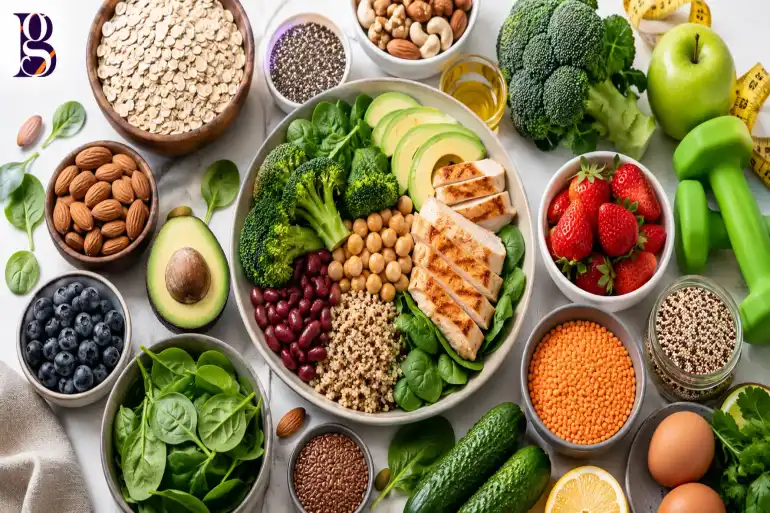
Eggs, Greek yogurt, oats, vegetables, berries, lentils, chickpeas, nuts, seeds, fish, and whole grains are all useful choices to include in a balanced diet.
The bigger picture matters more than any individual food. Combine nutritious meals with regular physical activity, enough sleep, proper hydration, and sensible portions.
Instead of searching for a miracle belly-fat-burning food, build simple habits that you can follow every day. Consistency, rather than extreme dieting, is what makes healthy weight management sustainable.