
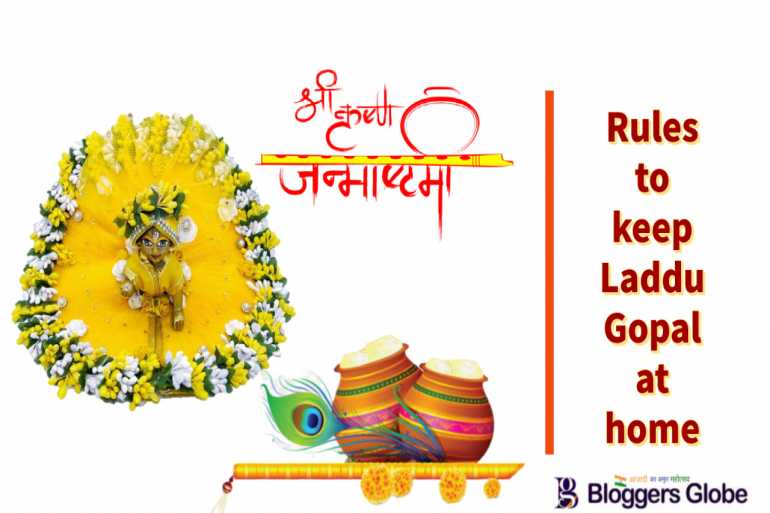
How to Keep Laddu Gopal at Home: Best Puja Rules, Daily Seva, and Guidelines
How to Keep Laddu Gopal at Home: Best Puja Rules, Daily Seva, and Guidelines
In Hinduism, Lord Shri Krishna is revered as the eighth incarnation (avatar) of Lord Vishnu, the preserver and sustainer of the universe. Among his many revered forms, Laddu Gopal—the infant or child form of Shri Krishna—holds a deeply cherished place in millions of households. His innocent expression and playful divine nature inspire devotees to treat him not merely as an idol, but as a living, beloved member of the family.
According to ancient Hindu scriptures and devotional traditions, serving Laddu Gopal (Bal Gopal) with pure love brings immense peace, harmony, and spiritual prosperity to the home. From the sacred land of Braj Dham to towns and cities across the world, devotees perform daily seva (loving service) for Bal Gopal. However, bringing Laddu Gopal into your home comes with significant spiritual responsibilities. Because he is cared for like an infant, specific daily rules must be followed to ensure the worship remains pure and pleasing to the Lord.
1. How to Perform the Daily Bathing Routine (Snan Seva)
Just as a mother bathes her child every morning with tender care, Bal Gopal must be bathed daily. Skipping his bath or treating it as a quick ritual is discouraged in traditional worship practices.
Step-by-Step Bathing Process
- Use a Sacred Conch (Shankh): Water or milk used for bathing Laddu Gopal should ideally be poured from a clean conch shell. In Hindu symbolism, the conch represents Goddess Lakshmi, symbolizing purity and divine grace.
- Panchamrit Bath on Special Days: On auspicious occasions and festivals, perform a Panchamrit bath using raw milk, curd, honey, desi ghee, and holy water (Gangajal).
- Disposing of Sacred Water: The water collected after bathing Bal Gopal (Charnamrit) should either be consumed by family members as a blessing or poured gently into a sacred Tulsi plant or clean garden space. It should never be poured down a household drain.
Devotional practices surrounding divine worship connect deeply with ancient traditions. To explore how spiritual rituals and sacred heritage shape different cultures globally, you can read our guide on unique cultural traditions around the world.
2. Best Ways to Dress Laddu Gopal According to the Season
After bathing, Laddu Gopal should always be dressed in fresh, clean clothes. While it is not mandatory to buy new clothes every single day, the garments worn must be freshly washed and kept impeccably clean.
Seasonal Dressing Care
Because Bal Gopal is served like a living child, his clothing and environment should reflect the changing seasons:
- Summer Season: Dress him in light, breathable cotton dresses (poshaks). Keep the room well-ventilated, and ensure a small fan or cool breeze is provided near his altar.
- Winter Season: Transition to warm woolen dresses, small sweaters, caps, and cozy blankets. Ensure his sleeping area is protected from cold drafts.
- Bedding and Rest: Provide a dedicated small bed complete with a soft mattress, pillow, and seasonal blanket so Bal Gopal can rest comfortably.
3. How to Do Shringar and Sacred Adornment
Adorning Laddu Gopal (Shringar) is one of the most joyful aspects of daily devotional service. Once dressed, he is lovingly decorated with traditional ornaments and sacred marks.
A fresh tilak of Chandan (sandalwood paste) or Kumkum is applied gently to his forehead. Sandalwood has a cooling effect and holds spiritual significance in daily Hindu rituals. He can also be adorned with a small crown (Mukut), a peacock feather (Mor Pankh), bangles, and a flute (Bansuri). To protect Bal Gopal from negative energies, many devotees apply a small spot of kajal behind his ear or on his foot as a gesture of motherly protection (Nazar Utarna).
4. What to Offer as Sattvic Bhog: Food and Meal Rules
Food offered to Laddu Gopal must strictly adhere to Sattvic principles (pure, clean, and vegetarian). Whatever food is prepared in the household for the day should first be offered to Bal Gopal before anyone in the family consumes it.
Key Rules for Offering Food
- Complete Purity: Avoid using onion, garlic, or non-vegetarian ingredients in food prepared for the household. Households that care for Laddu Gopal must remain free from alcohol, meat, and tobacco.
- Why Tulsi Leaves Are Essential: Shri Krishna is immensely fond of Tulsi (Holy Basil). Placing a fresh, clean Tulsi leaf in every food and water offering is considered essential for him to accept the bhog.
- Best Offerings: Fresh butter (Makhan), rock sugar (Mishri), kheer, fresh fruits, and milk are particularly dear to Lord Krishna and make ideal daily offerings.
- Water and Timings: Always keep a small tumbler of clean drinking water near his seat, changing it multiple times a day. Offer meals at regular intervals corresponding to breakfast, lunch, evening snacks, and dinner.
5. How to Perform Daily Aarti and Bedtime Routine (Sayan Seva)
Along with regular morning worship, performing evening Aarti is an integral part of Bal Gopal's daily schedule. Use a ghee lamp or camphor to perform the aarti, accompanied by devotional songs or chants.
After the evening worship, it is time for Sayan Seva (putting Bal Gopal to sleep). Gently remove his heavy crown and formal jewelry, change him into comfortable night clothes, offer a final glass of warm milk with mishri, and place him gently on his bed. Recite a quiet prayer or lullaby, turn off bright lights, and allow him to rest undisturbed until morning.
6. Why You Should Never Leave Laddu Gopal Unattended
One of the most crucial rules of keeping Laddu Gopal at home is that he should never be left alone in an empty house. Because he is considered a residing member of the family, leaving the home locked and unattended while he is inside is considered disrespectful.
If the entire family needs to travel or go out for an extended period, you have two traditional options:
- Travel Together: Carry Bal Gopal in a small travel basket or protective carrier, maintaining his basic meal and water routine during your journey.
- Entrust to a Devotee: Respectfully hand over his care to a trusted neighbor, relative, or local temple priest who can maintain his daily bathing and bhog routine until you return.
Best Daily Laddu Gopal Seva Schedule
| Time Period | Seva Activity | Key Elements |
|---|---|---|
| Morning (Pratah Kaal) | Waking & Snan Seva | Gentle wake-up call, bathing with conch/pure water, drying with soft cloth. |
| Mid-Morning | Shringar & Breakfast Bhog | Fresh seasonal poshak, Chandan tilak, offering butter, mishri, and milk with Tulsi. |
| Afternoon (Madhyahna) | Lunch Bhog & Rest | Offering fresh Sattvic lunch, followed by brief afternoon quiet time. |
| Evening (Sandhya) | Aarti & Evening Bhog | Lighting ghee lamp, singing aarti, offering fruits or light snacks. |
| Night (Ratri) | Sayan Seva | Night dress, warm milk offering, placing on bed with lullaby. |
Living a life centered on spiritual mindfulness and devotion brings peace to everyday life. To learn more about historical spiritual movements and cultural heritage, you can also explore our article on important historical facts about Mahatma Gandhi's life, which highlights principles of truth and spiritual discipline.
Frequently Asked Questions About Laddu Gopal Seva
Who can keep Laddu Gopal at home?
Anyone can bring Laddu Gopal home regardless of age or gender, provided they are committed to serving him with sincere devotion, cleanliness, and strict adherence to a Sattvic lifestyle.
What should you do if an accidental mistake occurs during seva?
If a minor mistake occurs during daily care, sincerely ask for forgiveness (Kshama Yachna) with a pure heart. Lord Krishna values genuine devotion (Bhakti) above rigid perfection.
Why is Tulsi mandatory in Laddu Gopal's bhog?
According to Hindu scriptures, Lord Vishnu and his avatars do not accept food offerings unless accompanied by a fresh Tulsi leaf, as Tulsi represents pure devotion and spiritual sanctity.
In summary, learning how to keep Laddu Gopal at home is a deeply rewarding spiritual journey. By maintaining pure daily routines of bathing, dressing, offering clean Sattvic food, and showing unconditioned affection, your household becomes a serene space filled with divine joy and positive energy.


